
Vegetables
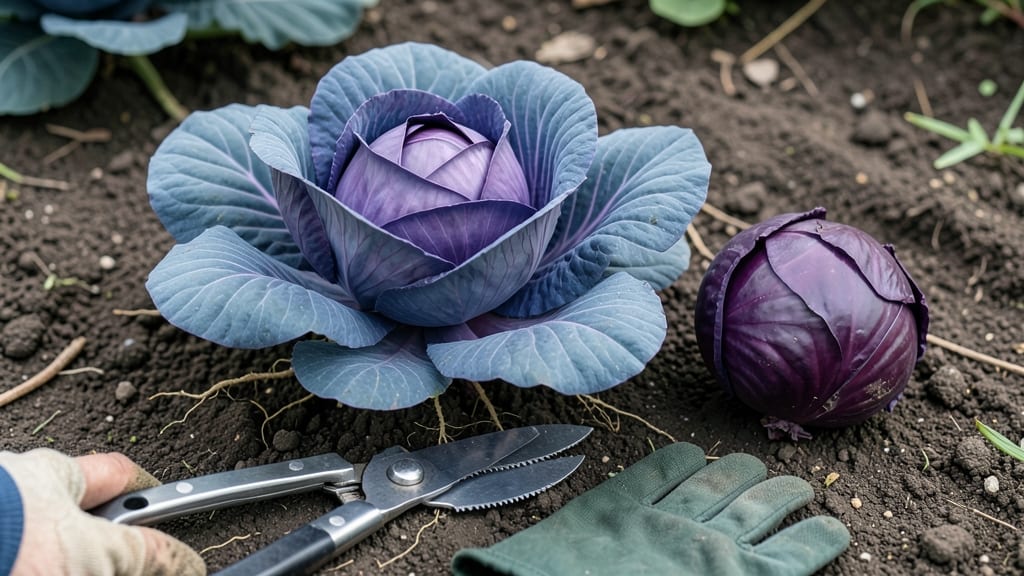
Harvest purple cabbage 🥬 when the heads reach 6–8 inches and the deep purple color shifts to a vibrant, even hue—this is the sweet spot for flavor and texture.
Miss that window, and you’ll end up with a pale, leafy mess that’s lost its signature color and crunch.
I’ve seen gardeners pull perfectly good heads too early, only to watch them bolt in the heat—or worse, leave them too long and watch the purple fade to a sad, watery green.
Timing matters even more in USDA Zone 6a, where cooler weather slows growth. Aim for 80–100 days after transplanting, but check the leaves first: they should wrap tightly around the head, not flop open.
Below, I’ll walk you through the exact color and texture cues to harvest at peak freshness, plus how to adjust for storage or immediate use—no guesswork, just crisp purple perfection.


How to identify the perfect purple cabbage harvest window by color
Purple cabbage transforms from a vibrant deep purple to a pale greenish hue when left too long in the garden. This color shift isn’t just about aesthetics—it signals a drop in flavor intensity and nutritional value.
The key to harvesting at peak quality lies in reading these visual color cues alongside physical maturity signs.
Most purple cabbage varieties take 70–100 days to reach harvest readiness after transplanting. However, relying solely on days since planting can lead to missed windows. Instead, focus on the three critical indicators: leaf color, head firmness, and size.
These clues work together to confirm your cabbage is ready to pick for the best crunch and sweetness.
🌱 Pro Tip: Harvest in the morning after dew has dried. This ensures the heads are crisp and hydrated, making them ideal for both fresh eating and storage.
| Maturity Stage | Color Indicator | Head Size | Leaf Firmness | Harvest Readiness |
|---|---|---|---|---|
| Early (Not Ready) | Pale green or light purple streaks | Under 4 inches in diameter | Loose, leafy outer layers | 🔴 Not Ready |
| Ideal (Ready) | Deep, consistent purple (no green) | 6–8 inches in diameter | Tightly packed, firm core | ✅ Perfect Timing |
| Overmature (Past Prime) | Fading to greenish-yellow | Over 8 inches, loose | Soft, core splitting possible | ⚠️ Too Late |
The deep purple color you’re aiming for isn’t just about looks—it’s packed with anthocyanins, antioxidants that give purple cabbage its health benefits. When the color starts shifting toward green, these nutrients begin to degrade, and the bitterness increases.
This shift often happens 1–2 weeks after the ideal harvest window, so don’t wait too long!
Head size is another non-negotiable clue. Aim for a diameter of 6–8 inches. Smaller heads (under 4 inches) are still developing, while oversized heads (over 8 inches) often become loose and pithy.
Use a tape measure or compare to a standard dinner plate (8-inch diameter) for a quick visual check.
💧 Watering Note: Reduce watering 3–5 days before harvest to prevent waterlogged heads, which can lead to soft spots and premature color fading.
Leaf firmness is the final test. Gently squeeze the outer leaves—ready-to-harvest cabbage should feel firm and crisp, almost like a baseball. If the leaves feel spongy or hollow, the head is overmature.
Pro tip: Check the inner core by peeling back a few leaves. It should be tight and compact, not loose or splitting.
Climate plays a role too. In cooler regions (USDA Zones 3–5), purple cabbage matures faster due to shorter daylight hours. Conversely, in warmer climates (Zones 7–9), heads may take longer to develop their signature color. Adjust your harvest timing by 1–2 weeks based on your local growing season.
🌿 Seasonal Tip: For fall harvests, aim to plant seeds 8–10 weeks before your area’s first frost date. This ensures heads mature before cold weather arrives, preserving their color and texture.
Once you’ve confirmed all three indicators—deep purple color, 6–8 inch size, and firm leavessharp knife or pruning shears to cut the head 1 inch above the base, leaving the outer leaves intact to encourage regrowth for a second, smaller harvest.
Purple cabbage texture and size tests for optimal harvest timing
Harvesting purple cabbage at the right moment ensures peak texture and vibrant color. Unlike green cabbage, purple varieties lose their stunning hue if left too long—turning pale and rubbery. The key lies in testing leaf firmness, head weight, and core density before cutting.
These simple tests take just minutes but make all the difference in flavor and storage potential.
Start by gently squeezing the outer leaves near the head’s base. Ready-to-harvest cabbage feels firm yet slightly yielding, like a ripe avocado. If leaves bend easily, the head needs more time.
Next, lift the cabbage gently—mature heads weigh 2–4 pounds, depending on variety. Smaller heads (<1 pound) lack full flavor, while oversized ones (over 5 pounds) often have a woody core and loose leaves.
🚨 WARNING: Overripe Purple Cabbage Pitfalls 🚨
⚠️ Avoid These Harvest Mistakes:
- Ignoring leaf color shifts: Purple cabbage turns pale green when overripe—this signals bitterness and poor storage life. Harvest before color fades.
- Skipping the core firmness test: A soft or hollow core means the cabbage is past its prime. Press the center—it should resist slightly, not feel mushy.
- Harvesting in extreme heat: Purple cabbage thrives in cool weather (50–70°F). Harvesting during heatwaves (>85°F) stresses the plant, leading to bolting or premature loosening of leaves.
- Waiting for maximum size: Giant heads (>5 lbs) often have coarse texture and uneven ripening. Prioritize compactness over sheer size.
Climate plays a surprising role in harvest timing. In cool-season zones (USDA 3–6), purple cabbage reaches maturity in 70–90 days, often aligning with fall harvests (October–November).
But in warmer regions (USDA 7–10), heat can delay maturity—extend your window to 100 days and harvest earlier in the day to avoid wilting. Morning harvests also preserve crispness and color vibrancy.
For a foolproof test, slice a small cross-section of the head’s core. The ideal harvest shows tightly packed layers with no gaps. If the core looks spongy or hollow, the cabbage has overmatured.
This test works best on heads 6–8 inches wide—the sweet spot for texture and flavor balance. Smaller heads may lack sweetness, while larger ones risk fibrous or bitter patches.
Pro tip: Use a digital scale for precision. Weigh your cabbage at the same time each day—most varieties hit their optimal harvest weight between 2.5–3.5 pounds. Pair this with the leaf firmness test for a two-pronged approach.
If your cabbage checks both boxes, it’s ready! For storage, harvest slightly earlier (when heads are 2–3 pounds) to extend shelf life.
Remember, purple cabbage’s texture and size are your best guides. Trust these tests over calendar dates—plants mature at their own pace. With practice, you’ll spot the perfect harvest window in seconds. Happy harvesting! 🥬