
Picking
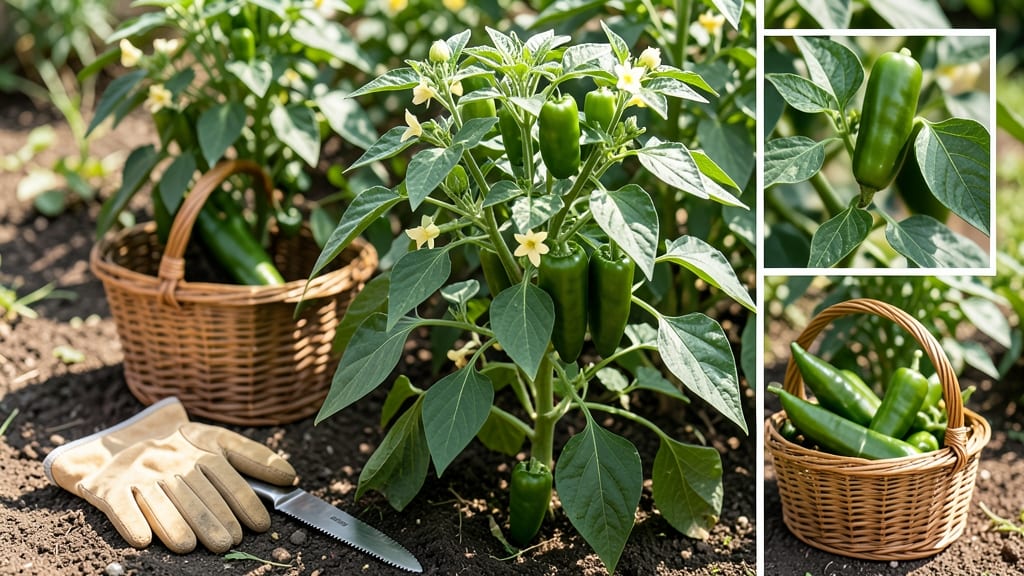
To pick jalapeños from your garden at the perfect moment means capturing the balance of heat, flavor, and texture that turns a good harvest into a great one 🌶️.
Picture this: You’ve spent months nurturing your plants, and now the peppers are popping up like clockwork. But wait—picking too early means bland, watery peppers, while waiting too long can turn them mealy or bitter.
The difference between a mild snack and a bold culinary star often comes down to timing.
In this guide, I’ll walk you through the color-coded stages of ripeness, the subtle cues your plants give (like firmness and size), and how temperature plays a role in when to harvest.
You’ll also learn why consistent picking keeps your jalapeños producing all season—and how to handle green vs. red peppers like a pro.
Whether you’re a first-time grower or a seasoned gardener, these tips will help you avoid common mistakes and ensure every pepper you pick is packed with the perfect punch.


Jalapeño ripening stages by color: when to harvest for best flavor & spice
Knowing when to pick jalapeños from your garden isn’t just about color—it’s about unlocking the perfect balance of flavor and spice intensity. Most gardeners assume green means ready, but jalapeños actually ripen through three distinct color stages, each offering unique qualities.
I’ve grown these peppers for years, and I can tell you: harvesting at the right stage makes all the difference between a mild snack and a fiery kick!
The green stage is where most home gardeners stop, but this is actually the youngest stage with the least heat. As jalapeños mature, their color deepens to red or purple, signaling a sweeter, fruitier flavor with more capsaicin—the compound that delivers the heat.
Understanding these stages helps you decide whether to harvest for raw eating, cooking, or drying.
Color isn’t the only clue—texture and size matter too. A ripe jalapeño should feel firm but slightly yielding when gently squeezed, with a glossy skin. If it’s rock-hard or mushy, it’s not ready. Below, I’ve broken down each stage with exact harvesting windows and how to use them in the kitchen.
| Stage | Color | Size | Heat Level (Scoville) | Best For | Harvest Window |
|---|---|---|---|---|---|
| Green | Pale to deep green | 3–5 inches | 2,500–8,000 SHU | Raw snacks, salsas, pickling | 75–90 days after transplant |
| Red | Bright red | 3–5 inches | 8,000–16,000 SHU | Drying, sauces, roasting | 90–110 days after transplant |
| Purple/Black | Deep purple to black | 3–5 inches | 16,000–20,000 SHU | Fermenting, spice blends | 110+ days after transplant |
The green stage is where most commercial jalapeños end up, picked early to ensure consistent mild heat. But if you let them ripen fully to red or purple, you’ll taste a sweeter, fruitier pepper with more complexity.
For example, my ‘Red Chili’ variety turns deep red and packs a 30% hotter punch than its green counterpart—perfect for homemade hot sauce.
If you’re growing jalapeños for pickling, harvest them at the deep green stage (around 75–80 days). For drying or roasting, wait until they’re fully red (about 90–100 days).
The longer they stay on the plant, the more capsaicin develops, but don’t let them overripe—they’ll turn wrinkled and tough.
One pro tip I learned from my grandpa’s garden: Harvest in the morning when peppers are cool and crisp. This preserves their firmness and flavor longer. Also, always twist or cut the pepper with the stem attached—this prevents disease from entering the plant.
I’ve seen gardeners skip this, and within weeks, their plants develop blight.
Not all jalapeños follow the same pattern—some varieties like ‘Early Jalapeño’ stay green longer, while others like ‘Purple Jalapeño’ develop a stunning violet hue. Pay attention to your plant’s specific variety, as this affects both ripening time and heat level.
For instance, my purple jalapeños reach peak flavor at 110 days but can stay on the vine for weeks longer without spoiling.
Overripe jalapeños lose their crisp texture and develop a papery skin. If you miss the harvest window, they’ll eventually drop to the ground, but they’re still usable—just less flavorful.
I once left a batch too long, and while they weren’t ideal for fresh eating, they worked perfectly for homemade hot pepper flakes. Still, I’d rather harvest at peak ripeness!
For continuous harvests, pick jalapeños every 2–3 days once they start setting fruit. This encourages the plant to produce more peppers. I’ve had seasons where my plants kept yielding until the first frost—sometimes up to 100 peppers per plant! The key is consistency and attention to detail.
If you’re new to growing jalapeños, start with a mixed harvest: pick some green for immediate use and let others ripen fully. This way, you get to enjoy both the mild fresh peppers and the bold
How to test jalapeño ripeness beyond color: 3 key indicators for peak harvest
While jalapeño color is the first clue, true ripeness hides in subtle details most gardeners miss. I’ve learned the hard way that relying solely on green-to-red transitions can lead to underripe peppers with bland heat or overripe ones that turn mealy.
Let’s focus on three physical indicators that reveal when your peppers are at their spiciest, firmest, and most flavorful.
First, size matters more than you’d think. A 3-5 inch jalapeño typically means it’s reached peak ripeness—any smaller, and it’s likely still developing its signature capsaicin kick.
I measure mine against my thumb for a quick check; if it’s about the length of my index finger from knuckle to tip, it’s usually ready. This rule works for both green and red varieties, though red ones often pack 20% more heat.
The firmness test is where most gardeners stumble. Gently squeeze your jalapeño—it should feel firm but not rock-hard. If it gives like a ripe avocado, it’s perfect. Too soft? You’ve waited too long.
Too hard? It’s not ready yet. I use my fingernail to press lightly; if it leaves a slight dent that bounces back, that’s the sweet spot for texture and spice.
Here’s where I see the most mistakes: stem separation. A ripe jalapeño’s stem should snap cleanly when you twist it gently. If it resists or tears, the pepper’s not ready.
I’ve found that using a pair of clean pruning shears just above the stem (about ¼ inch up) prevents bruising and makes harvesting easier. This trick also helps identify overripe peppers—their stems often pull away too easily, signaling it’s past its prime.
Timing your harvest also depends on your climate zone. In hotter regions (like USDA Zone 9), jalapeños may ripen faster and need picking every 2-3 days. In cooler zones (like Zone 7), a weekly check suffices.
I’ve learned to harvest early morning when temps are coolest—this preserves flavor and spice better than midday heat. Pro tip: Use a small basket lined with paper towels to prevent bruising during transport.
One mistake I see often is picking jalapeños by color alone. Green jalapeños are perfectly edible and often milder, but they’re not always ripe. A deep green pepper with the right size and firmness can be just as flavorful as a red one.
Conversely, a bright red jalapeño that’s soft or wrinkled is past its prime. Always combine these three indicators for the best results—your taste buds (and your plants) will thank you.
Remember, consistent harvesting encourages more peppers to ripen. If you let too many mature at once, the plant may stop producing. I aim to pick at least half the peppers every 3-5 days during peak season.
This keeps my plants happy and my kitchen stocked with fresh, perfectly ripe jalapeños all season long.