
Blooming
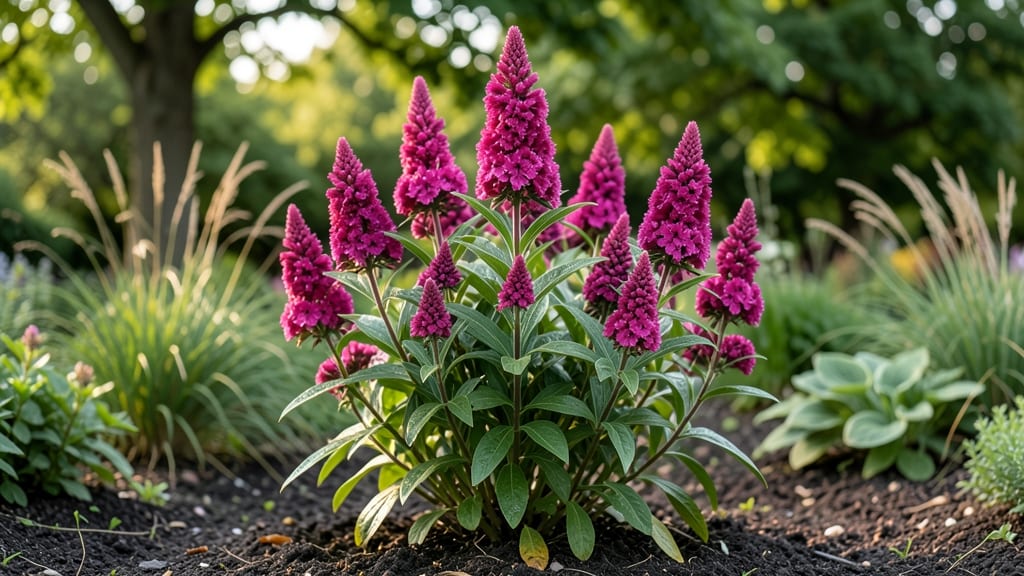
Garden phlox blooms in mid-to-late summer, turning your yard into a hummingbird magnet with clusters of vibrant purple, pink, and white flowers 🌸.
If you’ve ever dreamed of a garden bursting with vibrant purple, pink, and white blooms that attract hummingbirds and butterflies, garden phlox could be your perfect summer star—but timing is everything.
In most regions, including USDA Zone 6a, blooms typically kick off in late June or early July, peaking through August before tapering in September. Warmer climates may see earlier blooms, while cooler areas could push them back slightly.
With the right care—like deadheading spent blooms and keeping soil moist—you can stretch that show for weeks longer. Below, I’ll break down the exact months for your zone and share the easiest tricks to extend the season.
Garden phlox bloom timeline: month-by-month guide
Garden phlox transforms your summer garden into a hummingbird magnet with its fragrant clusters of pink, purple, and white blooms. But knowing when garden phlox bloom helps you plan for peak color and proper care.
Most varieties burst into flower between mid-July and early September, though timing shifts based on your USDA hardiness zone and phlox variety.
For gardeners in Zones 3-5, expect blooms to start as early as late June for early varieties, while Zones 6-9 may see flowers stretching into October. Heat-tolerant varieties like 'David' or 'Lipstick' phlox thrive in southern climates, while 'Blue Paradise' prefers cooler northern summers.
🌸
In USDA Zone 5, where I garden, my 'David' phlox variety begins blooming in early July and continues until mid-September. The key is choosing varieties that match your local climate—cooler regions should opt for early-blooming types, while hotter areas benefit from heat-tolerant late-summer varieties.
For Zone 9 gardeners, phlox may start blooming as early as May if planted in partial shade, while Zone 3 gardeners might see delayed blooms until late July due to cooler temperatures. Always check your last frost date—phlox needs 60-90 frost-free days to establish and bloom properly.
Heat waves can shorten bloom time, so I always mulch heavily and water deeply during summer droughts. Varieties like 'Lipstick' phlox handle 90°F+ temperatures better than traditional types, making them ideal for southern gardens.
If you're in Zone 4 or colder, consider container gardening to bring phlox indoors before frost or choose hardier varieties like 'Blue Giant', which tolerates cooler summers. In Zone 10, phlox may bloom year-round with proper care and protection from winter rains.
🌿
Pro tip: Plant early, mid, and late-season varieties together to create a continuous bloom display from June through September. For example, pair 'Blue Paradise' (early) with 'David' (mid) and 'Lipstick' (late) for a non-stop color show.
Remember that soil fertility and water consistency directly impact bloom timing. Over-fertilizing with nitrogen produces leafy growth at the expense of flowers, while balanced 5-10-10 fertilizer encourages robust blooms. I feed my phlox every 4-6 weeks during the growing season for best results.
🪴
How to extend your garden phlox blooming season
Garden phlox typically bursts into color from mid-July through August, but with the right care, you can stretch those vibrant blooms well into September—or even later! The secret lies in understanding how to support your plants through their natural lifecycle while encouraging them to keep producing flowers.
Whether you're dealing with early-blooming varieties or late-season heat stress, these strategies will help maximize your phlox's performance.
First, let's address the most critical factor: deadheading. This simple task removes spent blooms, redirecting the plant's energy toward new flowers instead of seed production. When done consistently, it can extend your phlox's display by 3-4 weeks or more.
Pair this with proper watering schedules and nutrient management, and you'll create the perfect conditions for prolonged blooming.
-
1Deadhead regularly – Snip off faded blooms every 3-5 days to encourage new flower production. Use clean pruners and cut just above a set of leaves to prevent disease.
-
2Fertilize mid-season – Apply a balanced 10-10-10 fertilizer every 4-6 weeks starting in early June. Avoid high-nitrogen feeds after July, as they promote foliage over flowers.
-
3Water deeply in morning – Aim for 1-1.5 inches of water per week, delivered early to reduce fungal risks. Mulch with 2-3 inches of organic matter to retain moisture and cool roots.
-
4Amend soil in early spring – Mix in compost or aged manure to improve drainage and nutrient availability. Phlox thrives in slightly acidic to neutral soil (pH 6.0-7.0).
-
5Choose late-blooming varieties – Opt for cultivars like 'David' phlox or 'Lipstick' for extended color. These varieties naturally bloom later and often last longer with minimal care.
Don't overlook the power of companion planting to support your phlox's longevity. Pairing them with catmint, bee balm, or Russian sage creates a pollinator-friendly ecosystem that encourages continuous blooming.
These companions also help deter pests like aphids and Japanese beetles, which can stress your phlox and shorten its flowering period.
For late-season care, focus on light pruning to remove any leggy stems while leaving the lower foliage intact. This helps the plant maintain energy reserves for next year.
If your region experiences early frosts, consider cutting back spent blooms and adding a thick layer of mulch to protect the roots through winter.
With these strategies, you can transform your garden phlox from a short-lived summer spectacle into a long-blooming centerpiece that keeps your garden vibrant well into fall. The key is consistency—stay on top of deadheading, monitor moisture levels, and give your plants the nutrients they need to thrive.