
Plants
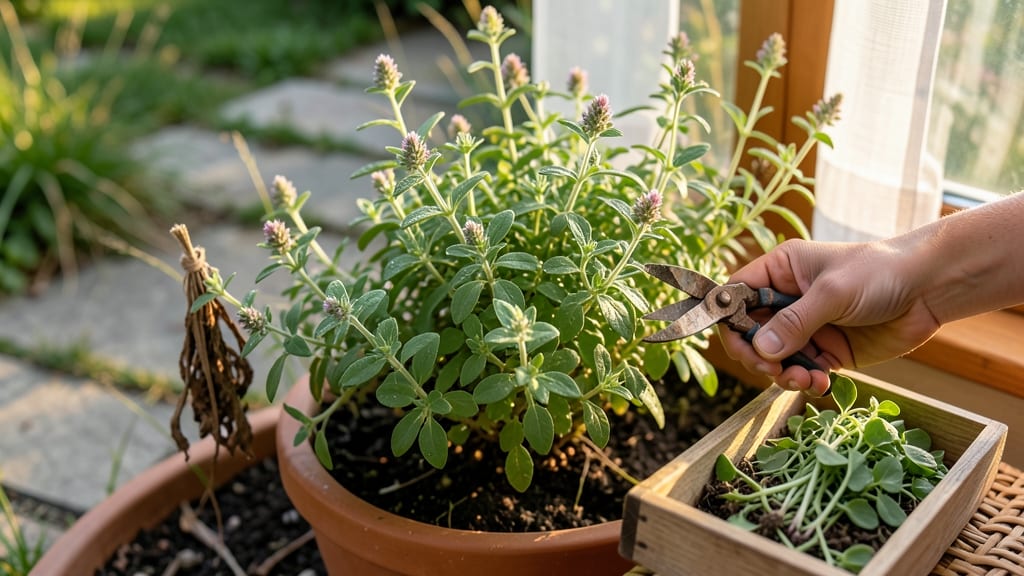
Harvesting your oregano plant at the right time ensures bold, fragrant leaves and keeps your 🌿 herb thriving for years to come.
Picture this: you pinch a leaf between your fingers, and that burst of piney, citrusy aroma fills the air—that’s the moment to start harvesting. Miss it, and your oregano can turn bitter or flower too soon, robbing you of peak flavor.
The secret? A simple leaf rub test that reveals when your plant is ready.
Timing matters more than you think. Oregano planted in spring hits its prime flavor window between 60 and 90 days, typically in late June or early July in Zone 6a.
But harvest too early, and the leaves won’t pack enough punch; wait too long, and those delicate flowers signal the end of the best season. I’ll show you how to read your plant’s signals and avoid common mistakes that ruin flavor.
By the end, you’ll know exactly when to snip for the best taste, how to prune for bushier growth, and the simple storage tricks to keep your harvest fresh for months. No more guessing—just bold, aromatic oregano every time.


How to use the oregano leaf rub test for optimal harvest timing
Harvesting oregano at the right time transforms your garden from a mediocre herb source to a flavor powerhouse. The secret? A simple leaf rub test that reveals when your plant is packed with essential oils and ready for picking.
Skipping this step often leads to bitter-tasting leaves or stunted regrowth—both problems I’ve seen far too often in my own garden.
This test works by checking three key factors: leaf texture, aromatic oils, and stem flexibility. When all three align, you’ve hit the sweet spot for harvest. The best part?
It takes just 30 seconds and requires no special tools—just your fingers and a keen eye. Let’s break down exactly how to perform it like a pro.
- 1 Select a mature stem (4-6 inches tall) from the outer edges of the plant. Avoid the center growth to encourage bushier regrowth.
- 2 Rub 3-5 leaves between your fingers until they release their scent. If it smells weak or grassy, wait 1-2 weeks. If it’s intense and piney, you’re close!
- 3 Check leaf texture: Crushed leaves should feel slightly fuzzy (not smooth) and slightly oily to the touch. If they’re slippery or sticky, harvest immediately.
- 4 Test stem flexibility: Bend a stem near the base. If it snaps easily, the plant’s woody but still flexible, signaling peak harvest time. If it bends like a reed, wait longer.
- 5 Inspect for flowers: If you see tiny buds forming, harvest within 24-48 hours before they open. Flowering reduces oil content by up to 40%, dulling flavor.
Timing your harvest this way isn’t just about flavor—it’s about plant health. When you harvest at the wrong stage, you risk stressing the plant, encouraging leggy growth, or even inviting pests that target weakened stems.
I once let my oregano flower before harvesting, and the next season’s growth was sparse and weak. Don’t make that mistake!
The leaf rub test also helps you avoid the “harvest too early” trap. Young oregano leaves (before 6 inches tall) contain less essential oil, meaning they’ll taste mild and bland even if you crush them.
Wait until the plant has 6-12 inches of growth and passes the rub test for the best results.
Pro tip: Perform the test on 3-4 different stems across your plant. Oregano can have uneven maturity, especially if grown in partial shade. The stems closest to direct sunlight will often be ready first, while shaded areas may lag by 1-2 weeks.
Adjust your harvest accordingly to maximize yield.
Once you’ve confirmed the perfect harvest time, use clean, sharp scissors to cut stems just above a leaf node. This encourages new growth from that point. Avoid tearing leaves by hand—it damages the plant and reduces future harvests.
After cutting, hang bundles upside down in a dry, dark place for 1-2 weeks to cure properly.
Remember: Consistent harvesting (every 4-6 weeks) keeps your oregano bushy and productive. If you skip this step, you’ll end up with a woody, overgrown plant that’s hard to manage.
The leaf rub test becomes your garden’s secret weapon—helping you predict harvests and extend your plant’s lifespan for years of flavorful yields.
🌿
Best times of year to harvest oregano for maximum flavor
Timing your oregano harvest is everything—peak flavor arrives when the plant is mature but before flowering.
In most US regions, this means harvesting in late spring or early fall, when temperatures are mild and growth is active. Southern climates can extend harvests into winter months, while northern gardeners should focus on June through September.
Climate plays a huge role—hot summer heat can make oregano bloom faster, reducing flavor. Meanwhile, cool fall temperatures often produce the richest oils before frost.
My Zone 6a garden delivers the best harvests in May and September, but your mileage may vary based on your local frost dates.
| Season | Ideal Harvest Time | Plant Stage | Climate Notes |
|---|---|---|---|
| Spring | May (after last frost) | 6-12" tall, pre-bloom | Best in Zones 7-10 |
| Summer | June-August (early mornings) | Before flowering | Avoid peak heat (100°F+) |
| Fall | September-October (before frost) | Mature leaves, pre-flower | Richest flavor of year |
| Winter | December-February (sheltered plants) | Established perennials | Zones 8-10 only |
For maximum flavor, aim to harvest when your oregano has 6-12 inches of growth but no flower buds. The leaf rub test is foolproof—crush a few leaves between your fingers.
If they release a strong, sweet aroma, it's time to snip and save. Wait until flowering, and you'll get bitter, less fragrant leaves.
Regional differences matter—Pacific Northwest gardeners can harvest year-round thanks to mild winters, while Midwest growers must finish by October 15th to avoid frost damage. My Zone 6a plants often produce a second flush in late summer after a light pruning, giving me two harvests per year.
Pro tip: Morning harvests yield the most potent oils since evening dew can dilute flavor. Always use clean, sharp scissors to cut stems just above a leaf node—this encourages bushier regrowth and more harvests down the line. Never pull leaves as this damages the plant.
After harvesting, let stems dry for 1-2 hours in a shady, well-ventilated area before storing. Bundle stems with rubber bands and hang upside down—this preserves flavor and aroma for up to 6 months. For immediate use, store leaves in airtight containers in the fridge for 2-3 weeks.