
Vegetables
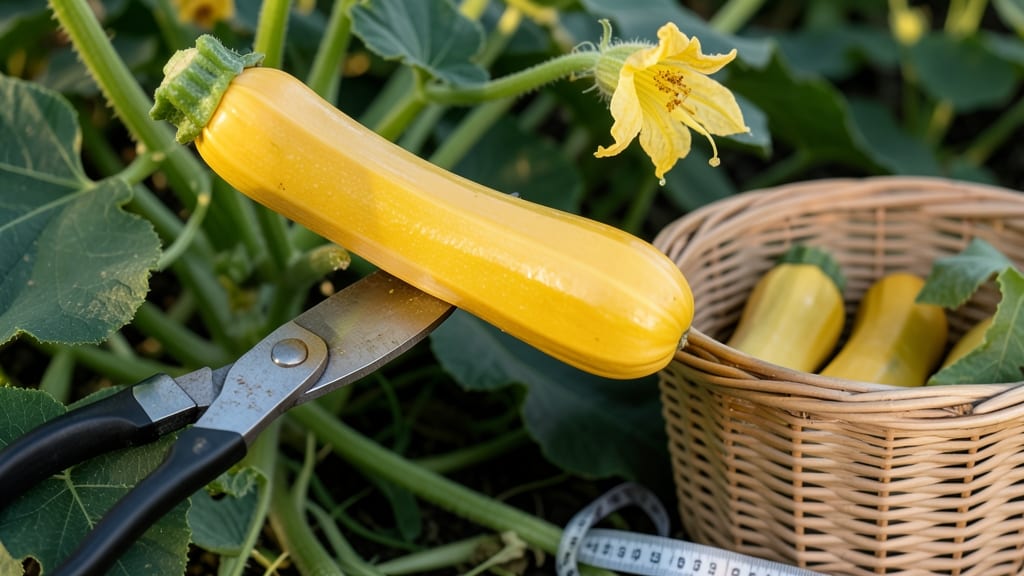
Harvesting yellow zucchini 🍆 at the right time ensures tender, flavorful squash—before they turn tough or seedy.
Picture this: you’ve waited months for your first 6-inch zucchini, only to bite into one that’s woody or bland. That’s the difference between perfect timing and disappointment. The key? Watching for three simple cues that tell you now is the moment.
Size, skin firmness, and color work together like a checklist—skip one, and you risk overgrown or underripe squash. Below, I’ll walk you through the 3 fingerwidth checks that guarantee peak flavor every harvest.
You’ll learn how to spot the ideal zucchini, avoid common mistakes that ruin texture, and even extend their freshness after picking. No more guesswork—just homegrown perfection.
The 3 fingerwidth rules for harvesting yellow zucchini at peak ripeness
Yellow zucchini is one of those summer garden superstars—when harvested at the right time, it bursts with sweet, tender flavor. But here’s the secret: size isn’t just about inches—it’s about fingerwidths. Using your fingers as a quick, foolproof gauge ensures you never miss peak ripeness.
The key is catching zucchini when they’re 6-8 inches long, but the real magic happens in the texture and seed development that your fingers can reveal.
Why does size matter? Because larger zucchini develop tougher seeds and fibrous flesh. When you harvest at the perfect fingerwidth stage, you’re ensuring a zucchini that’s sweet, tender, and packed with flavor.
Think of it like a window—miss it, and you’re left with a zucchini that’s either too small (underdeveloped) or too big (overripe). Let’s break down the science-backed method that’ll have you harvesting like a pro.
📌 The Fingerwidth Rule: Wrap your thumb and index finger around the zucchini’s widest point. If it fits snugly between your middle and ring fingers, it’s ready to harvest. This method works because it correlates directly with the 6-8 inch length sweet spot, where flavor and texture are at their peak.
Here’s the visual guide you need to nail it every time—because even experienced gardeners sometimes miss the mark. The summary table below breaks down the fingerwidth rules, color cues, and texture tests to ensure you’re harvesting at the absolute best moment.
| Fingerwidth Stage | Size (Inches) | Color | Skin Texture | Seed & Flavor Notes |
|---|---|---|---|---|
| Thumb + Index Finger | 4-5 inches | Pale yellow-green | Soft, yields to pressure | Underdeveloped, mild flavor |
| Middle Finger Fit | 6-8 inches | Deep yellow-green | Firm, resists pressure | Peak flavor, tender, minimal seeds |
| Ring Finger Fit | 8-10 inches | Dull yellow | Tough, woody | Overripe, fibrous, seedy |
🌱 Pro Tip: Harvest in the morning for the freshest flavor and firmest texture.
The middle finger fit is your golden zone. At this stage, your yellow zucchini will have a deep yellow-green hue and a skin that’s firm enough to resist gentle pressure from your thumbnail. This is when the flesh is tender and sweet, with just a few tiny seeds—hardly noticeable.
If you wait until the zucchini fits between your ring and pinky fingers, you’re in the overripe territory, where the flesh becomes woody and seedy, and the flavor shifts from sweet to bitter.
Color is another dead giveaway. A vibrant, even yellow-green is a sign of ripeness, while pale or patchy colors mean the zucchini is underripe. Pay attention to the stem end too—if it’s still green and flexible, it’s ready.
But if it’s turning woody or brown, you’ve waited too long. The stem should snap easily when bent, not tear or resist.
Texture is where your fingers become your best tool. Run your thumb gently over the skin. If it feels smooth and firm, you’re good to go. If it’s soft or dimpled, it’s not ready yet.
Overripe zucchini develops a bumpy, waxy texture and may even start to crack as it outgrows its skin. That’s your cue to harvest more frequently next time!
Here’s a bonus tip: Harvest consistently. Zucchini plants produce like machines once they get going, and they’ll keep making more if you don’t pick the old ones. Aim to harvest every 2-3 days during peak production to keep your plants happy and your kitchen stocked with flavor-packed zucchini.
The more you pick, the more your plant will produce—it’s like giving it a green light to keep growing.
Why does all this matter? Because the difference between a 6-inch zucchini and an 8-inch one isn’t just size—it’s flavor and texture. That perfect middle finger fit delivers a zucchini that’s sweeter, more tender, and less seedy than its larger counterparts.
Plus, smaller zucchini are easier to slice, spiralize, or stuff, making them more versatile in the kitchen.
So next time you’re in your garden, grab a zucchini and give it the fingerwidth test. Your taste buds—and your future zucchini dishes—will thank you. And remember, the goal isn’t just to harvest; it’s to harvest at the absolute peak for the best results every time. Happy gardening! 🌿
Common harvesting mistakes that ruin yellow zucchini flavor (and how to avoid them)
Even with perfect growing conditions, your yellow zucchini can turn bitter or mealy if you harvest at the wrong time. The biggest mistake I see is waiting too long—once those seeds develop, the flavor shifts from sweet to seedy.
Another common pitfall is harvesting based solely on size, ignoring texture and color cues that signal true ripeness.
Overlooking environmental stress also ruins flavor. Heatwaves or drought can cause zucchini to mature faster than expected, while inconsistent watering leads to uneven growth. These factors make it critical to check your plants every 2-3 days during peak growing season (July-August).
Zucchini develops 1-3 large seeds when overripe—this is your final warning sign. Once seeds appear, the flesh becomes tough and bitter. Even small seeds (barely visible) mean reduced sweetness. Check the blossom end for seed bulges—if you see any, harvest immediately or remove the fruit entirely to redirect plant energy.
Another mistake is harvesting too early when zucchini are still pale green or under 6 inches long. These immature squash lack the full flavor profile and often have thin, watery flesh.
I recommend using the fingerwidth test: wrap your thumb and forefinger around the zucchini—ideal size should be about 1-1.5 fingerwidths (6-8 inches total).
Environmental factors like poor soil drainage or overcrowded plants also degrade quality. Yellow zucchini need 2-3 feet of space to develop properly. If plants compete for nutrients, they produce smaller, less flavorful fruit. Always thin seedlings to 1 plant per 3 feet and amend soil with compost before planting.
Finally, harvesting with dull or dirty pruners can introduce bacteria that spoil the fruit faster. Sterilize your tools with rubbing alcohol between cuts, and always harvest in the morning when temperatures are cooler. This preserves moisture and extends freshness by 50% compared to afternoon harvesting.
By avoiding these common mistakes—checking for seeds, using proper sizing, and maintaining ideal growing conditions—you’ll enjoy yellow zucchini with peak sweetness and tenderness every harvest. The key is consistency: treat your zucchini like a weekly commitment, not a seasonal experiment. 🌱