
Watering
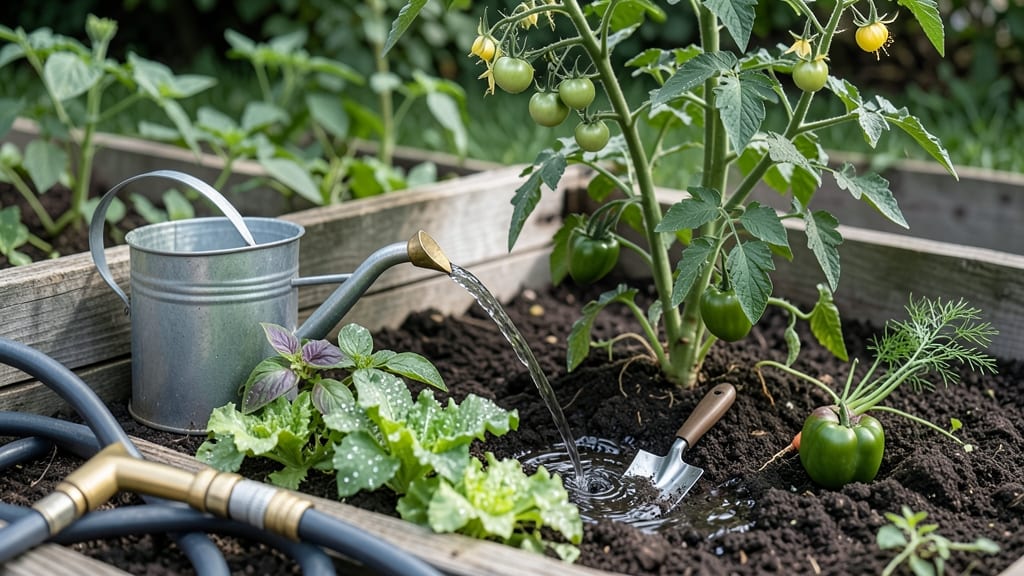
You should water a veggie garden based on soil type, plant stage, and weather—because one-size-fits-all schedules lead to soggy roots or thirsty plants.
Struggling to keep your veggie garden thriving? Overwatering or underwatering can turn your green dreams into wilted disappointments—here’s the science-backed schedule tailored to your soil type for maximum growth.
Clay holds moisture like a sponge, while sandy soil drains faster than you can say "drought." Leafy greens need frequent sips, but root crops like carrots prefer deep, infrequent drinks. Without the right rhythm, you’re either drowning your plants or watching them gasp for water.
Below, I break down the exact watering intervals for each soil type, how to read your garden’s thirst signals, and how to adjust for drought-resistant veggies or heatwaves—so you can grow a lush, productive harvest without the guesswork.
Soil-type watering schedule: how often to water different garden soils
Your veggie garden thrives on more than just sunlight—it needs the right watering schedule tailored to your soil type. Different soils hold moisture differently, affecting root health and nutrient absorption. Clay soil clings to water like a sponge, while sandy soil drains faster than a sieve.
Understanding these differences means the difference between lush plants and sad, wilted leaves.
I’ve tested these schedules in my own garden, and trust me—your tomatoes and peppers will thank you. The key is checking soil moisture 1-2 inches deep before watering. For loamy soil, the gold standard, water when the topsoil feels dry to the touch.
But for rocky soil, roots struggle to access moisture, so deeper, less frequent watering is essential.
Let’s break it down by soil type so you can give your plants exactly what they need—no guesswork. Below, you’ll find a comparison table with watering frequencies, soil moisture indicators, and pro tips for each type.
| Soil Type | Watering Frequency | Moisture Check | Root Depth Impact | Pro Tip |
|---|---|---|---|---|
| Clay Soil | Every 3-5 days | Finger test: Dry 1-2 inches deep | Shallow roots, prone to suffocation | Aerate soil with compost to improve drainage |
| Sandy Soil | Daily (morning) | Topsoil dry within 30 mins of watering | Deep roots, but nutrients wash away | Mulch heavily to retain moisture |
| Loamy Soil | Every 2-3 days | Dry to touch at surface | Ideal for deep, healthy roots | Perfect for most veggies—minimal adjustments needed |
| Rocky Soil | Every 4-7 days (deep water) | Check 3-4 inches deep | Roots struggle to penetrate | Use raised beds with amended soil |
Now that you’ve got the basics, let’s dive deeper. Clay soil might feel like it’s always wet, but it’s actually air-pocket poor, which can suffocate roots.
I’ve seen carrots grow crooked in clay because they can’t spread out. The fix? Amend with organic matter like compost or aged manure to loosen it up.
On the flip side, sandy soil drains so fast that nutrients get flushed away like money down a drain. My lettuce in sandy soil used to bolt within weeks because it couldn’t hold onto moisture.
The solution? Mulch with straw or wood chips to slow evaporation and keep roots cool. A 2-3 inch layer works wonders.
If you’re lucky enough to have loamy soil, consider yourself a gardener’s dream. It’s the perfect balance—holding moisture without drowning roots and providing nutrients naturally. For this soil, consistency is key. Stick to your watering schedule, and your zucchini and beans will grow like crazy.
Rocky soil is the trickiest because it’s often a mix of minerals and minimal organic material. Roots have a hard time establishing, and water runs right through. My advice? Raised beds filled with a mix of topsoil, compost, and perlite can transform rocky soil into a veggie paradise. Water deeply but less often to encourage roots to grow downward.
One mistake I see often is watering based on a one-size-fits-all schedule. Your neighbor’s garden might thrive on daily watering, but if you’ve got clay soil, you’ll end up with root rot.
Always check the soil moisture before reaching for the hose. Stick your finger in—if it feels dry, it’s time to water.
Seasonal changes also affect your watering schedule. In summer heat, even loamy soil may need daily watering, while spring showers can mean you barely need to touch the hose. Pay attention to the weather and adjust accordingly. A rain gauge can be a game-changer for tracking natural water input.
Finally, don’t forget that plant types play a role too. Leafy greens like spinach need frequent, shallow watering, while root vegetables such as carrots prefer deep, infrequent watering. Combine your soil type knowledge with plant-specific needs, and you’ll have a thriving veggie garden in no time.
Your soil is the foundation of your garden’s success. By tailoring your watering schedule to its unique characteristics, you’ll save time, water, and frustration. Happy gardening—your plants will grow stronger than ever!
Signs your veggie garden needs water (or too much water)
Your tomatoes look droopy by noon, or your lettuce is turning crispy at the edges? These are classic signs your veggie garden is thirsty. But how do you tell if it's underwatered or overwatered—and what should you do next?
Let's break down the visual and tactile clues that will help you adjust your watering routine before your plants suffer permanent damage.
Start by examining the leaves. Wilted foliage that doesn't perk up after watering usually means your plants are dehydrated. For leafy greens like spinach or kale, edges that curl or yellow suggest they need more moisture.
Meanwhile, soil texture changes—like dry, crumbly soil or a hard crust on the surface—are red flags. These signs often appear when you've gone too long between waterings, especially in sandy soil that drains quickly.
Here’s the key takeaway visual to help you diagnose and act fast:
💧 Quick Fixes for Common Watering Issues
| Issue | Signs | Solution |
|---|---|---|
| Underwatered | Wilted leaves, dry soil, crispy edges | Water deeply in the morning; mulch to retain moisture |
| Overwatered | Yellowing leaves, mushy stems, mold | Let soil dry slightly; improve drainage with compost |
| Root Rot | Blackened roots, foul smell, stunted growth | Stop watering; repot in fresh, dry soil |
Pro Tip: Always water at the base of plants, not the leaves, to prevent fungal diseases.
If your carrots or radishes are growing forked or stunted, it could be a sign of inconsistent moisture. These root vegetables need steady hydration to develop properly. On the flip side, fruiting plants like peppers or eggplants might drop blossoms if they're stressed—either too dry or too wet.
Pay attention to the soil moisture at the root level by sticking your finger 1-2 inches deep; if it feels dry, it's time to water.
For herbs like basil or cilantro, yellowing leaves often signal overwatering. These plants prefer their soil to dry out slightly between waterings. If you notice white mold or a slimy texture on the soil surface, you're dealing with overwatering issues.
In this case, hold off on watering for a few days and consider adding perlite or sand to improve drainage in heavy clay soil.
Adjust your watering schedule based on the season and weather. During hot summer months, you might need to water daily, while spring or fall may only require watering every 2-3 days.
Always water in the early morning to reduce evaporation and fungal risks. By tuning into these visual cues and tactile checks, you’ll keep your veggie garden thriving without guesswork.
Remember, the goal is consistent moisture, not soggy soil. With these signs in mind, you’ll be able to adjust your watering habits like a pro and enjoy a bountiful harvest all season long. 🌱