
How To
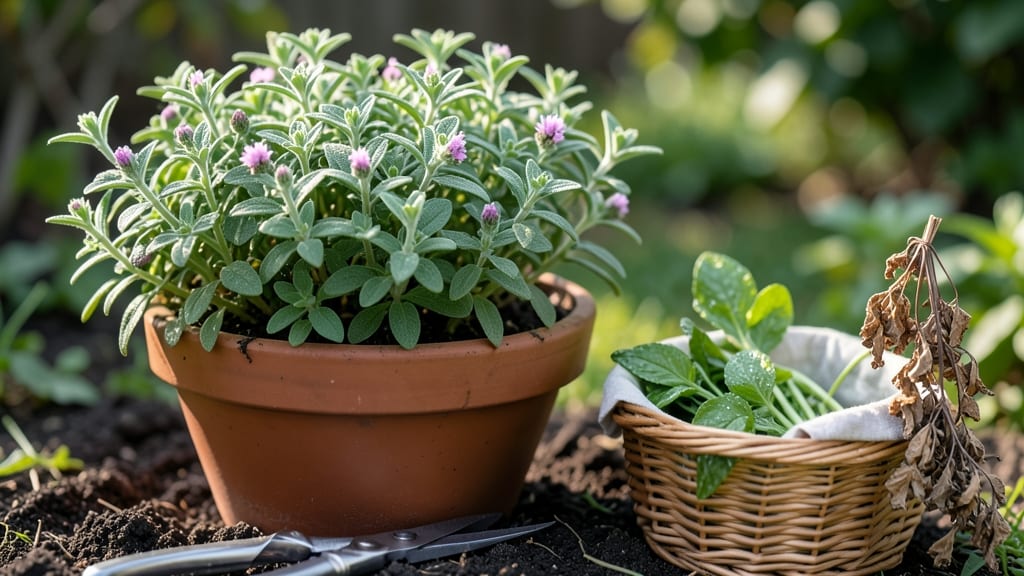
Harvest oregano for drying when the leaves turn a deep, vibrant green and release a strong, pungent aroma—typically June through early September in most growing zones.
Picture this: you snip a stem, crush it between your fingers, and that classic oregano scent hits you like a wave. That’s your cue the plant is at its peak for drying. Miss this window, though, and the flavor fades fast—especially once those tiny flowers start popping up.
Timing isn’t just about the calendar; it’s about the plant’s signals. A 6- to 12-inch-tall oregano 🌿 with woody stems but tender leaves is your goldmine. Below, I’ll walk you through how to read these signs, the best tools to use, and why harvesting before flowering makes all the difference.
You’ll also learn how to dry your harvest for maximum potency—no weak, flimsy bundles here. Avoid these three common mistakes that turn your hard work into dust, and keep your dried oregano tasting fresh for months.


How to identify the best time to harvest oregano for drying
Harvesting oregano at the right moment ensures your dried bundles retain their bold, earthy flavor and aromatic oils. The key lies in watching for three visual and scent-based cues: leaf color, stem hardness, and fragrance intensity.
When these signals align, you’ve found the peak harvest window—typically between 60 to 90 days after planting.
Start by examining the leaf color shift. Young oregano leaves begin as pale green, but the ideal harvest time arrives when they deepen to a rich, dark green hue.
This color change signals maturity and maximum oil production. Pair this with tender but slightly woody stems—a sign the plant has developed enough structure to support drying without crumbling.
Here’s the fragrance test that guarantees peak flavor: crush a few leaves between your fingers. If the scent is intense, pungent, and unmistakably oregano, it’s harvest time. A weak or grassy smell means the plant isn’t ready yet. This test is your final quality check before cutting.
| Stage | Visual Cues | Scent Test | Stem Condition | Action |
|---|---|---|---|---|
| Early Growth | Light green leaves, sparse foliage | Mild or no aroma | Soft, flexible stems | Wait 30+ days |
| Maturing | Darkening green leaves, bushier | Noticeable but faint scent | Slightly woody at base | Monitor daily |
| Peak Harvest | Deep green leaves, dense growth | Strong, pungent aroma when crushed | Woody but leaves remain tender | Harvest immediately |
| Over-Mature | Yellowing leaves, flowering stems | Weak or bitter scent | Brittle, dry stems | Avoid for drying |
Timing also depends on your climate and season. In USDA Zone 6a, aim for harvests between June and September when temperatures are warm but not scorching. Early morning is the best time to cut—stems are hydrated, and the essential oils are most concentrated.
Avoid harvesting after rain, as excess moisture can dilute flavor and slow drying.
For container-grown oregano, check the plant’s height and bushiness. A mature oregano plant should reach 6 to 12 inches tall with a full, rounded shape. If you see flower buds forming, act fast—once oregano blooms, the leaves lose their bold flavor and become more bitter.
Pruning back 1/3 of the plant encourages bushier growth and delays flowering.
Pro tip: Harvest stems in clusters rather than individual leaves. Cut just above a leaf node (where leaves meet the stem) to encourage new growth. Use clean, sharp pruners to avoid crushing stems, which can bruise the plant and attract pests.
Bundle stems with rubber bands or twine and hang them upside down in a dark, well-ventilated space for 1 to 2 weeks.
One common mistake is waiting too long for the perfect harvest. Oregano’s flavor peaks before it flowers, so don’t hesitate when you spot the dark green leaves and pungent scent.
Over-mature oregano not only loses flavor but also becomes less resilient during drying, leading to crumbly or moldy bundles. When in doubt, harvest a small batch to test the scent and adjust your timing.
Finally, consider the moisture content of the leaves. Fully mature oregano leaves should feel slightly crisp but not brittle. If they bend without snapping, they’re ready. Dry leaves that snap easily are over-mature, while overly flexible leaves need more time to develop their aromatic oils.
Balance these cues with your local growing conditions for the best results.
With these visual and scent-based cues, you’ll never second-guess when to harvest oregano again. The reward? Fragrant, flavorful bundles that elevate everything from homemade marinades to hearty stews—all thanks to timing your harvest just right. 🌿✂️🌱
Step-by-step oregano harvesting guide for maximum flavor
Harvesting oregano at the right time ensures your dried bundles pack the boldest flavor and essential oils. The key? Timing before flowering—when leaves are dark green, fully developed, and emit that signature earthy aroma.
If you wait too long, the plant shifts energy to seed production, leaving your leaves bitter and weak. Let’s walk through the exact steps to harvest like a pro.
Start by checking your oregano plant’s maturity. Look for 6-12 inch stems with deep green leaves that release a strong fragrance when crushed. Avoid harvesting if buds are forming—this signals the plant is ready to flower, and flavor will diminish rapidly.
Morning harvests yield the freshest stems, as evening dew can make leaves slippery and harder to handle.
✂️ Step-by-Step Oregano Harvesting Guide
- Step 1: Choose the Right Time
Harvest before flowering, typically in late spring to early summer (June-July in most climates). Wait until stems are 6-12 inches tall with dark green, aromatic leaves. - Step 2: Use Clean Tools
Grab a sharp pair of pruning shears or scissors. Disinfect blades with rubbing alcohol to prevent disease spread. - Step 3: Cut Stems Properly
Snip stems just above a leaf node (where leaves meet the stem). Avoid cutting into woody stems—focus on tender, leafy growth. - Step 4: Bundle for Drying
Gather 3-5 stems and tie them with twine or rubber bands. Hang bundles upside down in a dark, dry, well-ventilated area. - Step 5: Dry Thoroughly
Drying takes 2-3 weeks. Leaves are ready when they crush easily and no moisture remains. Store in airtight containers away from light.
When drying oregano, you have two main methods: hanging bundles or air-drying on screens. Hanging is simplest—just tie stems and suspend them in a cool, dark place like a pantry or basement.
For air-drying, lay stems on wire racks or mesh screens in a single layer. This method speeds drying but requires more space and frequent monitoring to prevent mold.
Pro tip: Revive your oregano plant after harvest by trimming back 1/3 of its height. This encourages bushier growth and prevents the plant from becoming woody and less productive. Regular pruning also keeps your oregano compact and manageable, especially if grown in containers.
Never harvest oregano after flowering—this is the #1 mistake that ruins flavor. Once buds appear, the plant’s essential oil content drops, leaving you with mild, grassy-tasting leaves.
If you miss the window, wait until next season and start fresh. Patience pays off with aromatic, restaurant-quality dried oregano!
For year-round harvests, grow oregano in containers and bring them indoors before the first frost. Place near a sunny window and reduce watering to once every 2-3 weeks. With proper care, your plant will keep producing flavorful leaves even in winter.