
How To
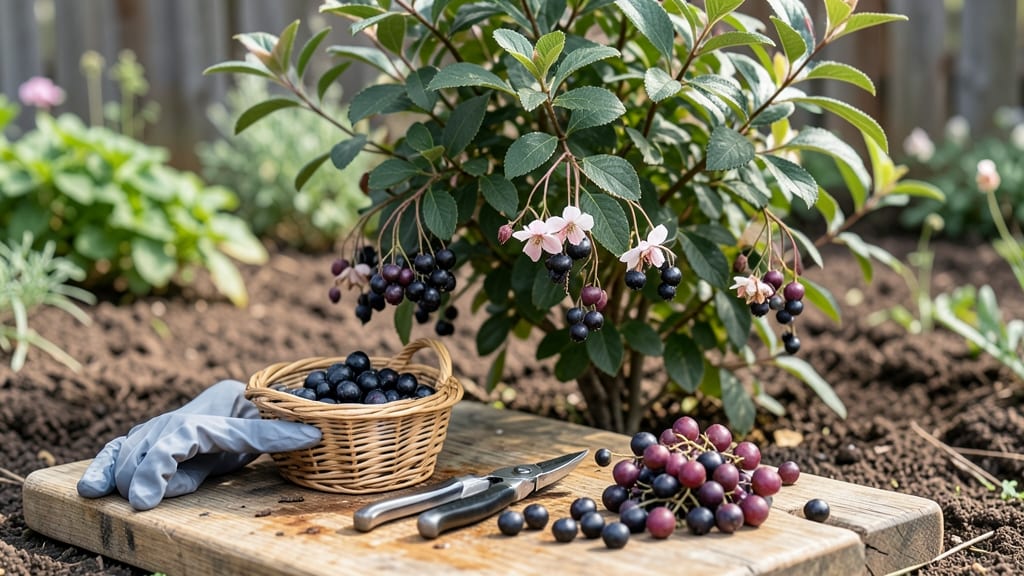
Aronia berries 🫐 reach their peak flavor and nutritional power when harvested at the right moment—late summer to early fall, just as they turn deep purple-black.
Picture this: you’ve waited all season for those glossy, antioxidant-packed berries, only to pick them too soon and end up with a tart, seedy mess. Or worse, you miss the window entirely and watch them shrivel on the bush.
The difference between a sweet, jam-worthy harvest and a bitter disappointment comes down to timing—and a few simple tricks to spot the perfect moment.
Color isn’t the only clue. A gentle squeeze should tell you whether the berries are firm enough to pick or still clinging stubbornly to the stem. And if you’re in Zone 6a or beyond, a light frost can actually enhance their flavor—if you act fast.
Below, I’ll walk you through the exact signs to look for, plus how to adjust for your region and avoid the most common mistakes.
By the end, you’ll know exactly when to harvest aronia berries—and how to turn your bush into a year-round supply of superfood jams, teas, or fresh snacks.


How aronia berry color shifts signal perfect harvest time
Aronia berries undergo a dramatic color transformation from green to deep purple-black as they ripen. This shift isn't just visually stunning—it's your primary indicator of peak harvest time. The anthocyanin pigments develop fully when berries reach their sweetest, most antioxidant-rich state, typically after 180-240 days from planting.
Understanding these color stages helps you avoid two common mistakes: harvesting too early (when berries are tart and seedy) or waiting too long (when they become mushy and overripe).
The deep purple-black hue signals the perfect balance of sugar content and seed development, making them ideal for fresh eating, juicing, or preserving.
Here's how the color progression correlates with ripeness:
| Color Stage | Ripeness Level | Sugar Content | Seed Maturity | Harvest Readiness |
|---|---|---|---|---|
| Green | Unripe | Very Low | Immature | ❌ Not Ready |
| Light Purple | Early Ripening | Low | Developing | ⏳ Wait 1-2 Weeks |
| Deep Purple | Ripe | Moderate | Mature | ✅ Ready for Jam |
| Purple-Black | Fully Ripe | High | Fully Developed | ✅ Perfect for Fresh Eating |
| Black | Overripe | Very High | Soft Seeds | ⚠️ Risk of Mushiness |
Regional climates significantly impact when these color shifts occur. In cooler northern zones (USDA 3-5), aronia berries may take longer to reach the deep purple-black stage due to shorter growing seasons.
A light frost (28-32°F) can actually enhance their flavor and color, so don't rush to harvest before this natural sweetening occurs.
Southern growers in USDA zones 7-9 often see faster color development, sometimes reaching harvest readiness by late August. However, extreme heat can cause berries to ripen unevenly, so monitor color changes closely.
If temperatures exceed 90°F consistently, berries may develop a duller purple hue and require extra care to reach full sweetness.
Weather patterns also play a crucial role. Consistent rainfall during the growing season promotes even color development, while drought stress can lead to uneven ripening and smaller berries. If your region experiences unusually dry summers, supplement with deep watering to maintain berry quality and vibrant color.
Pro tip: Use a small white plate as a backdrop when checking berry colors. This helps you distinguish between true deep purple-black and shadowed purple hues. For the most accurate assessment, harvest on a cloudy day when natural light is diffused, reducing color distortion.
Once you spot clusters of deep purple-black berries, perform a quick firmness test: gently press a berry between your fingers. If it yields slightly (like a ripe plum) but doesn't squish, it's ready. This texture indicates the perfect balance of sugar and acidity for optimal flavor.
Remember that aronia berries continue to develop flavor even after picking, especially when stored in the refrigerator. For best results, harvest in the morning when temperatures are coolest, and store berries in a paper towel-lined container to prevent moisture buildup that can cause mold.
🫐
Taste test tricks: the 3-Step method to confirm ripeness
Aronia berries transform from tart to sweet as they ripen, but knowing the exact moment to harvest can be tricky. Unlike many fruits, their flavor profile shifts dramatically—from overly tart and seedy to perfectly balanced and jammy.
This 3-step method ensures you pick them at peak flavor, whether you're eating fresh or preserving them.
Many gardeners make the mistake of harvesting too early for jam-making or too late for fresh eating. Overripe berries become mushy and lose their nutritional punch, while underripe ones taste harsh and bitter. The key lies in combining visual cues with sensory tests to confirm ripeness.
-
1 Firmness Test: Gently squeeze a berry—ripe aronia should yield slightly but not squish like overripe fruit. Unripe berries feel hard and unyielding, while overripe ones are mushy and stained.
-
2 Seed Maturity: Cut open a berry—ripe seeds should be fully formed and dark brown. Underripe seeds are white or pale, while overripe seeds may appear shriveled or stained. This step is critical for flavor development.
-
3 Flavor Progression: Taste a berry—start with tart and astringent flavors when underripe, evolving to a sweet-tart balance at peak ripeness. Overripe berries taste mushy and overly sweet, losing their bright acidity.
For jam-making, harvest slightly earlier when berries are still firm but deep purple—this ensures a tart-sweet balance in preserves. If you're eating them fresh, wait until they're fully ripe for a juicy, almost wine-like flavor. Always harvest on a dry morning to avoid spreading fungal spores.
Pro tip: Pick berries in small batches over 1-2 weeks, as they don’t all ripen simultaneously. Use clean scissors or pruners to avoid damaging the shrub, and store harvested berries in the fridge for up to 5 days or freeze them for long-term use.
Remember, aronia berries are at their nutritional peak when fully ripe—packed with antioxidants and vitamin C. A little patience in the taste-testing process ensures you reap the rewards of a flavorful and healthy harvest. 🫐