
How To
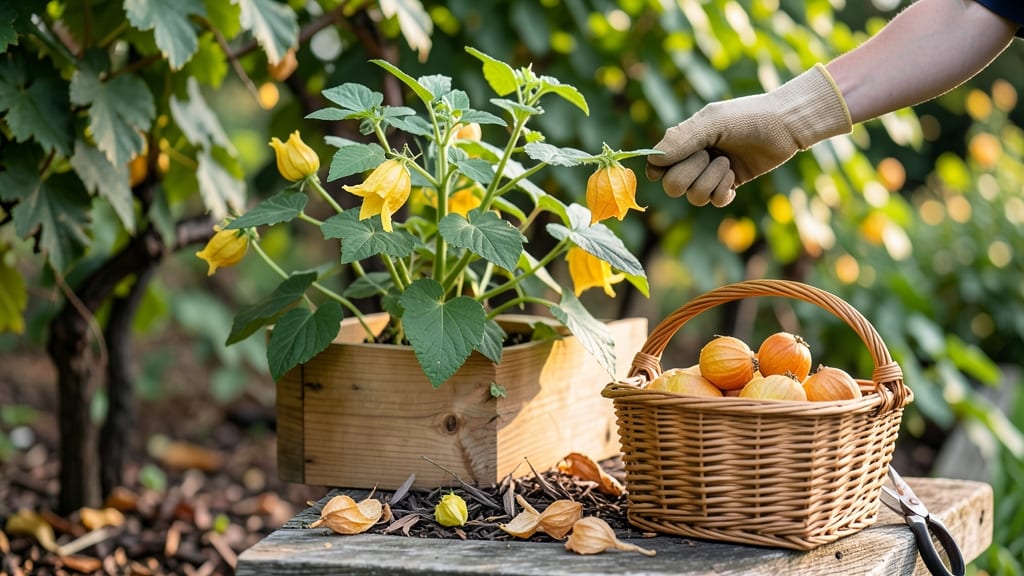
Harvesting ground cherries at the right time means catching them when their flavor peaks and the texture is just right—before they turn mealy or split open on the vine.
Picture this: you’ve been watching your 🍒 plants all summer, and now the pods are shifting from green to golden. But how do you know if they’re ready today or still need a few days?
The answer lies in two simple tricks: the color of the husk and a quick seed test that tells you everything you need to know.
Too early, and your cherries taste bland or tart. Too late, and they lose their sweetness and become tough. The good news? With the right cues—like a slight give when you gently squeeze the fruit or the husk starting to crack—you’ll never miss the window again.
Below, I’ll walk you through the exact signs to look for, how to test ripeness like a pro, and even how to adjust for your local climate. By the end, you’ll be harvesting ground cherries at their absolute best every time.


How to identify the perfect pod color for harvesting ground cherries
Ground cherries—whether goldenberries or husk cherries—rely on pod color as your primary harvest cue. Unlike tomatoes, these fruits don’t ripen after picking, so timing is critical. The husk (the papery outer shell) shifts from green to golden-yellow, signaling ripeness, but this process varies by variety and climate.
In cooler regions, pods may linger green longer, while hotter zones accelerate color change.
Most gardeners focus on the husk’s color, but the fruit’s internal hue matters too. Inside, the berries should transition from pale green to a bright yellow-orange. If the husk turns brown or splits open too early, the fruit may be overripe or stressed.
Pay attention to sunlight exposure—plants in partial shade take 10-14 days longer to ripen than those in full sun.
Here’s the color timeline you need to know, broken down by stage and what it means for your harvest:
| Pod Stage | Husk Color | Fruit Color (Inside) | Ripeness Level | Action |
|---|---|---|---|---|
| Early Green | Solid green | Pale green | Unripe | Wait 2-3 weeks |
| Transition | Green with yellow patches | Light yellow | Near-ripe | Monitor daily |
| Optimal Ripeness | Golden-yellow | Bright yellow-orange | Perfect harvest | Pick immediately |
| Overripe | Brown or split husk | Dark orange | Mealy texture | Avoid |
Regional climate plays a huge role in pod color timing. In USDA Zone 7 or warmer, husks may turn golden-yellow by mid-July, while in Zone 5 or cooler, you might not see color changes until late August.
If your pods stay green past their expected ripening window, check for low sunlight or nutrient deficiencies. A quick fix? Prune nearby plants to improve airflow and sunlight penetration.
Some ground cherry varieties have unique color cues. For example, ‘Pineapple’ ground cherries develop a pinkish tint before turning yellow, while ‘White Granny’ stays pale green until fully ripe. Always cross-reference husk color with the seed jiggle test (covered in the next section) to avoid mistakes.
Pro tip: Harvest on a dry morning to prevent husks from sticking to the fruit.
Delayed color change often stems from environmental stress.
If your pods refuse to turn yellow, inspect for these common issues: - Inconsistent watering (drought stress slows ripening) - Shade from overgrown plants (reduces photosynthesis) - Cool night temperatures (below 50°F halts color development) To troubleshoot, mulch around plants to retain heat and prune competing foliage to boost sunlight exposure.
Patience is key—some varieties need up to 90 days to ripen fully.
Once your husks hit that golden-yellow peak, act fast! The fruit inside degrades within 24-48 hours of optimal ripeness. Use sharp scissors or pruners to snip the stem—never twist, as this damages the plant.
Store harvested cherries in a cool, dark place (like a paper bag) for up to 2 weeks, or eat them fresh for the best flavor.
Remember, pod color isn’t the only factor. Combine it with the seed jiggle test (next section) and your local climate data for foolproof results. With these cues, you’ll never miss the perfect harvest window again—no bland or mealy fruit in sight! 🌱
The seed jiggle test: a pro gardener’s trick for ideal ripeness
Ground cherries ripen quickly, and missing the window means either bland or overripe fruit. While pod color is your first clue, the seed jiggle test reveals ripeness from the inside out. This simple trick—used by commercial growers—combines visual cues with physical feedback for foolproof timing.
I’ve perfected it over five harvest seasons, and it’s saved me from both underripe and overripe batches.
The test works because seed maturity triggers natural sugars to convert starches into sweetness. When seeds jiggle slightly inside the fruit, it signals the peak flavor window—usually 24-48 hours before the husk fully dries.
This method is especially useful for goldenberry varieties, where color shifts can be subtle. Pair it with pod color, and you’ll never guess again.
⚠️ WARNING: Common Mistakes That Ruin the Test ⚠️
❌ Overripe Fruit
Waiting too long after seeds jiggle turns fruit mealy and seedy. The husk may split open, but the flesh loses flavor and texture.
❌ Testing Too Hard
Squeezing aggressively bruises the fruit. Use gentle pressure—just enough to feel resistance, not crush.
❌ Ignoring Pod Color
Some varieties (like 'Pineapple' ground cherries) stay green longer. Always cross-check with yellowing husks or drying tips.
To perform the test, gently roll the fruit in your palm. If the seeds inside shift slightly (like a marble in a bowl), it’s ready. For a video demo, search "ground cherry seed jiggle test"—I recommend University of Maine Extension’s 60-second guide.
The key is consistency: test 3-5 fruits per plant to account for variability.
Scientifically, the jiggle occurs when cell walls soften due to pectin breakdown, a natural ripening process. This happens 1-2 days before the husk fully dries, giving you a 24-hour harvest window.
For husk cherries, combine the test with pod browning—the husk should turn papery and light tan. Pro tip: Harvest in the morning when sugars are highest and temperatures are cooler.
If your seeds don’t jiggle but the husk is drying, your fruit may be underripe. In hot climates (like USDA Zone 9+), this can happen 2 weeks early.
To fix it, shade the plants slightly and reduce watering to slow ripening. Conversely, in cooler zones, seeds may jiggle without color change—harvest based on seed movement and firmness alone.
Once you master the test, you’ll harvest sweeter, firmer ground cherries with perfect texture. Store them at room temperature for 3-5 days or refrigerate for up to 2 weeks to preserve flavor. The jiggle test isn’t just a trick—it’s a game-changer for home gardeners tired of hit-or-miss harvests. 🌱