
How To
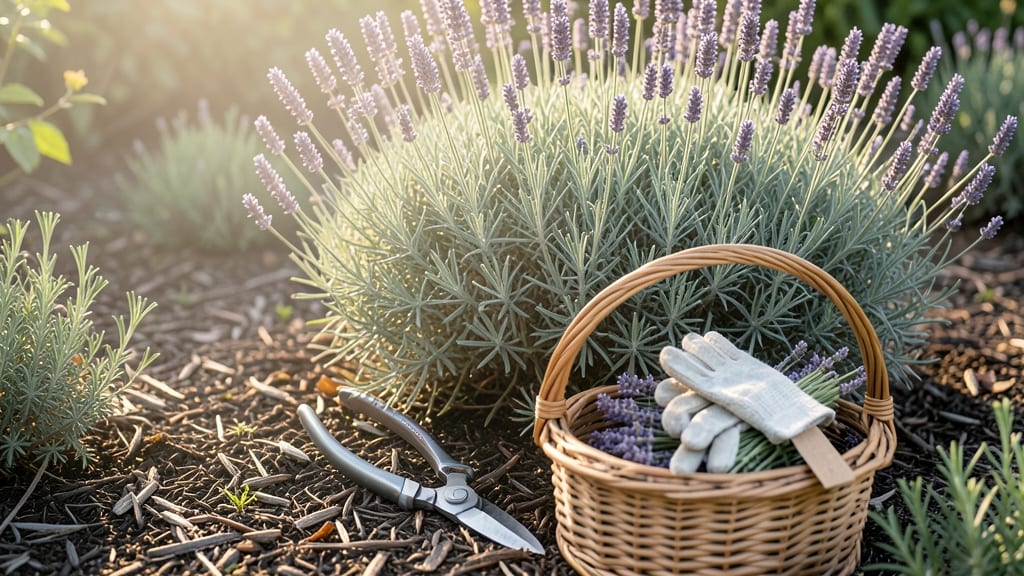
Harvest lavender for drying when the buds are fully opened but before seed heads form 🌿 — this sweet spot locks in the strongest fragrance and oil potency.
Picture this: you’ve waited months for those deep purple buds to swell, only to realize too late that the stems are woody and the flowers are already fading. That’s the difference between a fragrant, long-lasting bundle and one that crumbles into dust.
Timing isn’t just about the calendar—it’s about the visual cues and weather. Dew-free mornings, firm stems, and that unmistakable sweet scent when you brush the buds are your green lights. Miss them, and you’ll end up with lavender that’s bitter, weak, or already on its way to seed.
Below, I’ll walk you through the exact signs to watch for, the best time of day to cut, and how to store your harvest so it keeps its magic for years. No guesswork, just pro tips for lavender that smells like summer long after the blooms are gone.


The exact visual cues to harvest lavender for drying
Harvesting lavender at the right stage is an art that balances visual cues with fragrance intensity. The ideal moment arrives when buds are 30-50% open—just before full bloom. This window ensures maximum essential oil potency and prevents bitter flavors that develop when flowers overripe.
I’ve harvested lavender too early and too late, and the difference in fragrance and drying quality is night and day.
Start by examining the flower buds—they should be plump and slightly elongated, with tiny petals peeking out like a shy bloom. Avoid harvesting when buds are still tightly closed (not ready) or when they’ve opened fully and formed seed heads (overripe).
The stems must also be woody and firm, not soft or green. These visual clues guarantee your lavender will dry properly and retain its signature scent.
Here’s the summary table of visual cues to watch for when harvesting lavender for drying:
When you rub the stems between your fingers, they should release a strong, sweet fragrance—this is your green light. If the scent is faint or grassy, the lavender isn’t ready yet.
I once harvested a batch that smelled more like hay than lavender because the buds were overripe. Trust your nose—it’s the best tool for judging harvest readiness!
Pay attention to the lavender variety you’re growing, as some types mature faster than others. English lavender and French lavender are classic choices, but Spanish lavender tends to bloom earlier. Always check the bud opening percentage rather than relying solely on the calendar.
For example, my Grosso lavender plants often need harvesting in early July, while Munstead lavender might wait until late July.
One of my biggest mistakes was harvesting lavender in the afternoon heat—the buds wilted quickly, and the stems became brittle. Always harvest in the early morning when the dew has dried but the air is still cool.
This preserves the essential oils and ensures your bundles dry evenly. I now set a reminder for 7-9 AM on harvest days to avoid this pitfall.
Use sharp pruning shears or clean scissors to cut stems at a 45-degree angle, about 6 inches below the flower head. This encourages bushier growth and prevents disease. I like to harvest every 6-8 weeks during peak season (June-August) to maintain plant health and maximize yield.
Never cut more than one-third of the plant at once, or you’ll stress the lavender.
After harvesting, bundle stems immediately with twine or rubber bands and hang them upside down in a well-ventilated, dark place (like a garage or shed). Avoid direct sunlight during drying, as it can fade the color and degrade the oils.
Within 2-3 weeks, your lavender should be completely dry and ready for storage in
Why harvesting too early or late ruins your lavender bunch
Harvesting lavender at the wrong stage can turn your fragrant dream into a bitter disappointment. When you pick buds that are too early, you end up with weak stems and minimal essential oils.
Conversely, harvesting too late leads to dried flowers that lose their signature scent and crumble easily. Both mistakes waste your time and effort, leaving you with bundles that smell more like hay than lavender.
The ideal harvest window is when 50% of buds are open but before the flowers fully bloom. This stage captures the peak concentration of lavender oil and ensures the stems remain sturdy for drying.
Missing this window means compromising both fragrance and structural integrity, which directly impacts how long your dried lavender stays aromatic.
⚠️ callout warning ⚠️
⚠️ Harvesting Mistakes That Kill Your Lavender's Quality
Too Early: Buds still tightly closed (🟣) = weak stems, poor oil content, and faster drying time. Your bundles may even mold before fully drying.
Too Late: Fully opened flowers (🌸) = bitter taste, faded color, and brittle stems. The essential oils degrade, leaving you with lavender that smells more like dust.
Salvage Tip: If you harvest too early, bundle small stems together and dry upside-down in a dark, dry place for 2-3 weeks. Late-harvested lavender can still be used for culinary purposes but loses its aromatic value.
One of the biggest impacts of poor timing is on drying time. Lavender harvested too early may take up to 3 weeks to dry completely, while overripe lavender can dry in just 7-10 days—but at the cost of fragrance.
The longer drying period for early-harvested lavender increases the risk of mold or bacterial growth, especially in humid conditions.
Beyond drying, the fragrance strength suffers dramatically. Early-harvested lavender releases 30-50% less oil compared to perfectly timed buds. This means your dried bundles will lack that rich, calming scent you love.
Late-harvested lavender, on the other hand, may retain some oil but often develops a harsh, medicinal smell instead of the sweet, floral aroma we associate with lavender.
If you've already harvested at the wrong time, don't toss it! Early lavender can still be used for infusions or potpourri, while late-harvested flowers work well for culinary lavender (though it won't be as potent).
To salvage imperfect harvests, trim the stems to 6-8 inches and hang them in small bundles in a well-ventilated, dark space. This maximizes what little oil remains and prevents further degradation.
Remember, the key to a successful lavender harvest lies in patience and observation. Spend a few minutes each day checking your plants for the ideal 50% bloom stage. Your future bundles—and your nose—will thank you for the extra effort.
With the right timing, your dried lavender will stay fragrant for years, making every minute spent harvesting worth it. 🌿