
How To
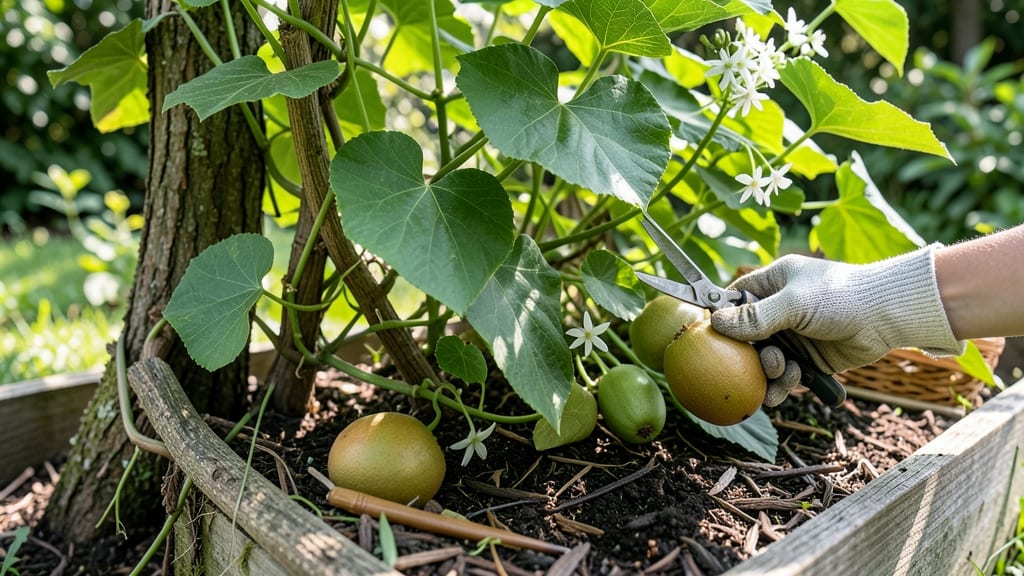
Harvesting kiwi fruit at the right time means the difference between a meal of sweet, tangy perfection and a bland, mealy disappointment.
You’ve spent years nurturing your 🍈 vines, and now the moment of truth arrives—when to pluck those fuzzy fruits for peak flavor. Too soon, and you’re left with tart, underripe disappointment.
Too late, and the texture turns mushy. The key? Three simple tactile tests that take seconds but save your harvest from ruin.
Most gardeners rely on calendar dates, but climate zones and vine maturity shift those windows. Instead, focus on what your fingers and eyes tell you: stem color, fruit firmness, and how easily it detaches. These cues are your shortcut to knowing exactly when your kiwi is ready to pick.
Below, I’ll walk you through each test—plus regional timing tips and the one mistake that turns a great harvest into a waste. By the end, you’ll never second-guess when to harvest kiwi fruit again.


How to identify kiwi fruit ripeness using 3 tactile tests
Kiwi fruit ripeness is often misunderstood, but mastering these 3 tactile tests will transform your harvest from bland to bursting with flavor. Unlike many fruits, kiwis don't ripen well after picking, so timing is everything.
The key lies in your fingertips—feeling the fruit's firmness, examining the stem, and testing how easily it detaches from the vine.
I’ve learned the hard way that relying on color alone can lead to disappointment. A kiwi might look ripe but taste mealy, or appear unripe yet be perfectly sweet.
These physical cues cut through the guesswork, ensuring you pick kiwis at their peak. Let’s start with the most reliable indicator: the stem color.
🌱 When to Harvest Kiwi Fruit: 3 Key Tactile Tests
-
1. Stem Color Test
Look for a dull brown stem (not green or shiny). A green stem means the fruit needs more time. -
2. Fruit Firmness Test
Gently press the kiwi—it should yield slightly like a ripe avocado, not feel rock-hard or mushy. -
3. Vine Detachment Test
Twist the fruit gently—it should detach easily from the vine with minimal force.
The stem color test is your first clue. A ripe kiwi’s stem turns from vibrant green to a matte brown, almost like dried leaves. I’ve noticed that stems on female vines (which produce fruit) darken faster than those on male vines.
If the stem is still green, wait 1-2 weeks before testing again.
Next, the fruit firmness test reveals the kiwi’s internal readiness. Press your thumb gently against the fruit—it should feel slightly soft but not mushy. Think of it like testing a peach: firm enough to hold its shape, but yielding enough to know it’s ripe.
Overripe kiwis turn squishy and lose their tangy sweetness.
Finally, the vine detachment test is the ultimate confirmation. Grasp the kiwi near the stem and twist gently. A ripe kiwi will separate cleanly from the vine with just a little pressure.
If it resists, it’s not ready yet. This test also helps prevent damage to the vine, which can reduce next year’s yield.
Pro tip: Combine these tests with a quick sniff. A ripe kiwi emits a sweet, tangy aroma near the stem—almost like a mix of tropical fruit and citrus.
If you don’t smell anything, the fruit likely needs more time. I’ve found that early-morning harvests often yield the sweetest kiwis because the fruit’s sugars concentrate overnight.
Timing matters even more if you plan to store your kiwis. Harvesting too early means they’ll never ripen properly, while waiting too long risks overripeness. Aim to pick kiwis in the late morning when temperatures are mild—this reduces stress on the vine and preserves flavor.
Store them in a cool, dark place (like a root cellar) for up to 2 weeks post-harvest.
One common mistake I see is assuming all kiwis ripen at the same rate. Gold kiwis (like 'Zespri Gold') ripen faster than green kiwis, so adjust your tests accordingly.
Also, kiwis on younger vines (under 3 years old) may take longer to mature. Pay attention to your specific vine’s patterns over time.
Remember, kiwi ripeness is a balance of these tactile cues. If two out of three tests pass, your kiwi is likely ready. Trust your hands—they’re the best tools in your gardening arsenal.
With practice, you’ll develop an instinct for the perfect moment to pick, ensuring a harvest that’s as satisfying as it is delicious.
Best time of year to harvest kiwi fruit by climate zone
Kiwi fruit ripening depends heavily on your climate zone, with temperature fluctuations playing a key role in sweetness development. In temperate climates like USDA Zones 6-9, harvest typically occurs in late summer to early fall, while subtropical and tropical regions may extend into winter months.
Understanding these seasonal patterns ensures you pick kiwis at peak flavor and texture.
For gardeners in cooler regions, kiwi vines need chilling hours (below 45°F) to trigger ripening, often resulting in harvests between September and November. Meanwhile, warmer climates may see fruit ready as early as July or as late as January, depending on frost risks.
Always align your harvest with local frost dates to avoid losing your crop.
| Climate Zone | Harvest Window | Key Temperature Cues | Ripening Notes |
|---|---|---|---|
| Temperate (Zones 6-9) | Late August - November | 50-70°F days, <45°F nights | Fruit needs chilling for sweetness |
| Subtropical (Zones 10-11) | July - December | 70-90°F consistent | Harvest before first frost |
| Tropical (Zones 12+) | Year-round (peaks Jan-Mar) | 75-95°F steady | Continuous fruiting cycles |
In temperate zones, watch for fruit color shifts from bright green to dull brown—this signals sugar development. Meanwhile, subtropical growers should prioritize frost avoidance, as even light freezes can damage vines. Tropical regions offer more flexibility, but consistent warmth maintains steady production throughout the year.
Always test fruit firmness before harvesting, as kiwis continue ripening off the vine. A gentle twist should detach the fruit without resistance. For storage purposes, harvest slightly earlier (when firm but ripe) to allow post-harvest sweetening in a cool, dark space.
This technique works best for temperate climates where cooler nights slow ripening.
Pro tip: Keep a harvest journal to track local variations. Note when your vines flower and how long it takes for fruit to mature—this helps refine future harvest timing. In warmer zones, you might see multiple fruiting cycles per year, while cooler climates typically produce one main harvest season.
Remember, temperature swings are your friend! A brief drop in nighttime temps (especially in temperate zones) enhances flavor. Monitor your local weather forecasts and adjust harvest plans accordingly—this ensures you never miss the perfect ripeness window.