
How To
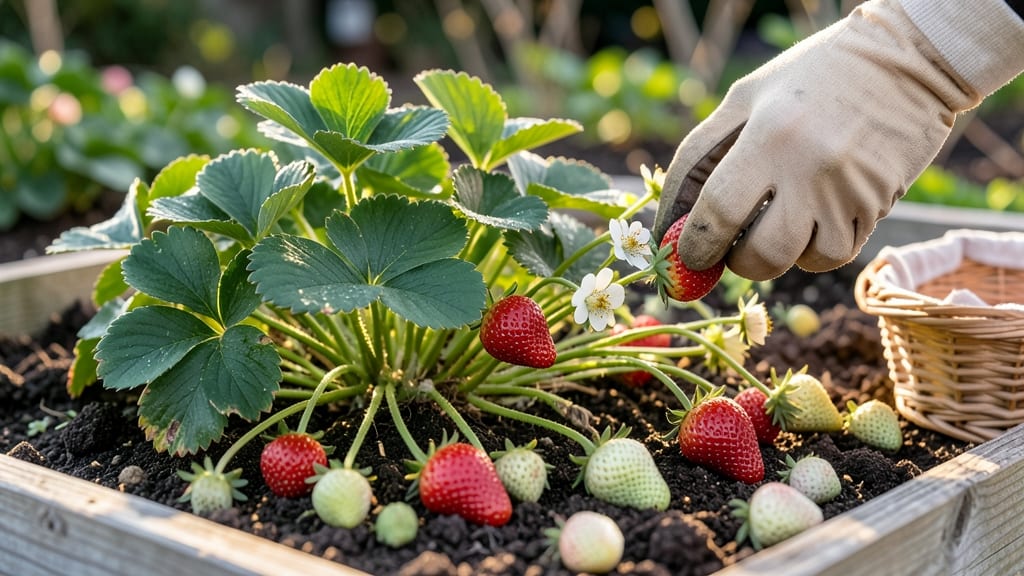
Harvesting strawberries from your garden takes anywhere from 30 days to over 90 days, depending on the variety and growing conditions.
If you’ve ever planted strawberries 🍓 only to wonder when you’ll finally taste that first ripe berry, you’re not alone. The wait can feel like forever—especially when you’re itching for fresh, homegrown flavor. But with the right variety and a little care, you can cut that timeline in half.
Fast-maturing strawberries, like Alpine or everbearing types, can reward you in as little as 30 days, while traditional June-bearing varieties may take up to 90 days. Climate also plays a huge role—warmer zones like 6a can speed up growth, while cooler springs might delay things.
In this guide, I’ll break down the fastest strawberry varieties, how climate affects your harvest timeline, and pro tips to get those sweet berries to your table as fast as possible. Let’s make that wait worthwhile!


Fastest strawberry varieties for quick harvests (30-60 days)
If you're dreaming of fresh strawberries in under two months, you're in luck! Some strawberry varieties deliver ripe fruit in as little as 30-60 days from planting, making them perfect for impatient gardeners.
These speedy varieties include everbearing, day-neutral, and alpine types, each with unique growing requirements to maximize your harvest speed. The key to success lies in selecting the right variety and providing optimal growing conditions.
For the fastest results, focus on soil temperature (ideally 50-60°F), full sun exposure (6+ hours daily), and well-draining soil rich in organic matter.
Alpine strawberries, like Alpine White, often mature in just 30-40 days, while everbearing varieties such as Seascape or Tristar typically deliver fruit in 45-60 days. Day-neutral types like Ozark Beauty also offer quick harvests if planted in warm climates.
Here’s a quick comparison of the fastest strawberry varieties and their ideal growing conditions for a rapid harvest:
Alpine strawberries like Alpine White are the fastest maturing, often producing fruit in just 30-40 days. These tiny but mighty plants thrive in cooler temperatures and are perfect for early spring or fall plantings.
Their compact size makes them ideal for containers or small gardens, and they’re less prone to disease, giving you a head start on the season.
For everbearing varieties like Seascape and Tristar, aim to plant in early spring when soil temperatures reach 55-65°F. These varieties produce fruit in 45-60 days and continue yielding throughout the season.
They’re especially productive in USDA Zones 5-9, where they can handle both heat and mild cold. To speed up growth, use black plastic mulch to warm the soil faster and retain moisture.
Day-neutral types such as Ozark Beauty and Albion are another great choice for quick harvests, especially in warmer climates. These varieties produce fruit continuously as long as temperatures stay above 60°F, making them ideal for Zones 6-10.
Plant them in late spring to avoid frost damage and ensure a steady supply of berries for 50-60 days after planting.
To maximize speed, always plant strawberries in well-draining soil with a pH of 5.5-6.8. Amend your soil with compost or aged manure before planting to provide essential nutrients.
Additionally, ensure your plants receive at least 6 hours of sunlight daily—this is non-negotiable for fast maturation. Without adequate light, strawberries will take significantly longer to produce fruit.
If you’re growing strawberries in containers, select compact varieties like Alpine White or Seascape and use a high-quality potting mix with added perlite for drainage. Containers warm up faster than garden beds, which can accelerate growth by 1-2 weeks.
Just be sure to water consistently, as pots dry out more quickly than in-ground plantings.
Finally, avoid overwatering—consistent moisture is key, but soggy soil can lead to root rot and delay harvests. Water deeply once or twice a week, depending on rainfall, and always water at the base of the plant to keep foliage dry.
This simple habit reduces disease risk and ensures your strawberries mature faster and healthier.
With the right variety and growing conditions, you can enjoy your first harvest in as little as 30 days—imagine the satisfaction of picking fresh strawberries straight from your garden! Start with these fast-maturing types, and you’ll be savoring sweet, juicy berries in no time. 🌱
How climate affects strawberry harvest timelines (Zones 3-10)
Your USDA zone and last frost date are the two biggest factors in determining when your strawberries will ripen.
In Zone 3, where winters are harsh, you might need to wait 90 days for a harvest after planting, while in Zone 10, you could enjoy berries in just 30-45 days with the right timing. Understanding these climate-based differences helps you plan for the perfect harvest window.
In warmer climates (Zones 8-10), strawberries thrive with early spring planting—sometimes as early as February. The soil temperature needs to reach at least 45°F for roots to establish, and berries can ripen in 6-8 weeks if conditions are ideal.
Meanwhile, gardeners in cooler zones (Zones 3-6) often delay planting until late April or May to avoid frost damage, extending the harvest timeline to 75-90 days.
Plant after last frost (May-June), harvest in 75-90 days (late July-Sept). Use row covers to extend season.
Plant in early April, harvest in 60-75 days (June-August). Avoid late spring frosts with mulch.
Plant in winter (Dec-Feb), harvest in 30-45 days (March-May). Use shade cloth in summer to prevent heat stress.
In Zone 3-5, where frost is a constant threat, I recommend planting June-bearing varieties like Jewel or Chandler after your last frost date. These varieties take 75-90 days to mature, so timing is critical.
Use black plastic mulch to warm the soil faster and protect young plants from late frosts. In contrast, everbearing varieties like Seascape produce fruit in two flushes, making them ideal for Zones 6-10 where you can stretch your harvest over 60-75 days.
For Zone 10 gardeners, the secret to a quick harvest is planting in winter when temperatures are mild. Varieties like Albion or Seascape can produce fruit in just 30-45 days if given consistent moisture and partial shade during peak summer heat.
I’ve seen strawberries ripen in Albany, CA, within 40 days of planting when using drip irrigation and organic compost.
Regardless of your zone, soil temperature is the key factor. Strawberries won’t thrive in cold soil—aim for 50°F or warmer before planting. In Zone 4, I often use straw mulch to insulate roots and accelerate growth.
Meanwhile, in Zone 9, I prioritize shade cloth to prevent berries from cooking in the sun, which can delay ripening by 10-15 days.
Pro tip: Track your frost-free days and adjust planting dates accordingly. In Zone 5, planting in late May instead of April can shave 10 days off your harvest timeline by avoiding late spring frosts. Always choose day-neutral varieties for extended harvests—they’ll keep producing as long as temperatures stay mild.