
How To
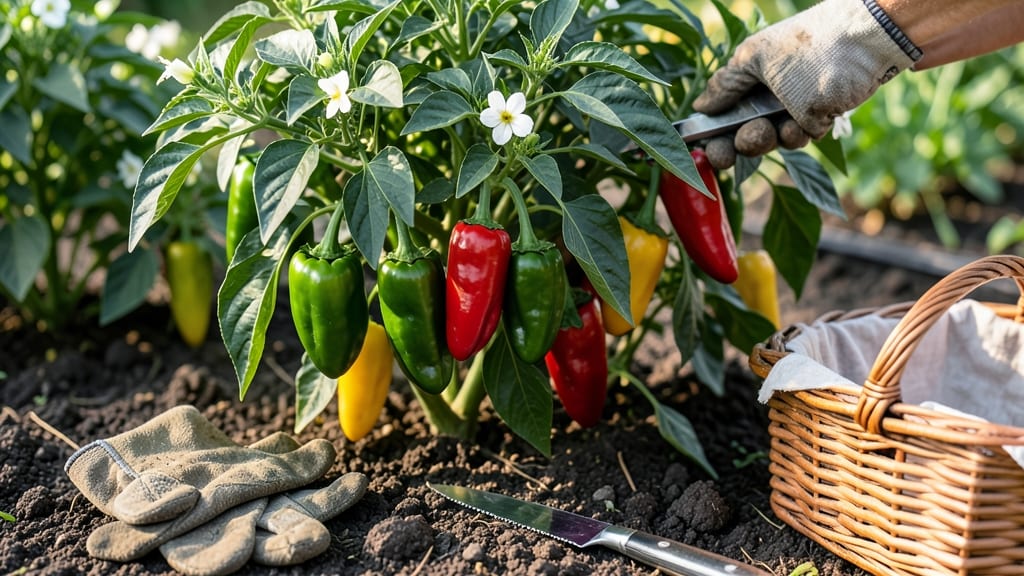
Harvesting gypsy peppers at the right time means the difference between a fiery, crisp bite and a meal-ruining mouthful of heat overload.
Picture this: you’ve waited months for your 🌶️ Gypsy Pepper plants to flourish, only to pick a pepper that’s either too mild or so hot it sends your taste buds into shock. The key? Knowing when to pluck them for that perfect balance of crunch, heat, and flavor.
Most gardeners miss the window because they rely on color alone—but ripeness is about more than just deep red or purple hues. Firmness, size, and even a simple finger-press test can tell you exactly when to harvest for peak performance.
In this guide, I’ll walk you through three tactile tests to nail the harvest, plus how climate and variety affect timing so you never waste another pepper again.


3 Finger-press tests to determine Gypsy pepper ripeness
Gypsy peppers are a gardener’s fiery reward, but knowing when to harvest them can be tricky. Unlike bell peppers, these beauties thrive on heat and crunch, and picking at the wrong stage ruins both.
I’ve learned the hard way—overripe peppers lose their snap and mellow in heat, while underripe ones pack bitter disappointment. The secret? A simple finger-press test that reveals ripeness without cutting into the pepper.
These tactile tests work for all Gypsy pepper varieties, from sweet ‘Sweet Gypsy’ to smoky-hot ‘Gypsy Pepper’. They’re perfect for gardeners who want to harvest at peak flavor, whether you’re growing for fresh eating, drying, or fermenting.
The best part? You don’t need fancy tools—just your hands and a little patience.
Here’s the key: firmness, color depth, and heat intensity all change as peppers mature. A gentle squeeze tells you whether a pepper is crisp and ready, still green and tough, or past its prime.
I’ll walk you through three finger-press tests that cover these stages, plus visual cues to confirm your findings.
Press gently—if skin yields slightly but doesn’t dent, it’s ready. Overripe peppers feel mushy.
Press near the stem—if skin resists pressure and feels slightly waxy, heat is peaking. Soft spots mean heat is fading.
Compare to full-size peers—if it’s 80-90% of max length and glossy, harvest now. Larger peppers lose crunch.
For sweet Gypsy peppers, aim for a deep red or purple hue with a slight sheen. These varieties are best harvested when they’ve fully colored but still feel firm to the touch. The finger-press test here is all about avoiding that dull, wrinkled skin that signals overripeness.
Hotter varieties like ‘Gypsy Pepper’ or ‘Jalapeño Gypsy’ need a firmer grip—press harder near the stem to feel their waxy resistance. A ripe hot pepper should snap slightly when bent at the stem (not break cleanly). If it bends like a banana, it’s past its prime and losing heat.
Visual cues matter too. Look for even coloration and a slight gloss on the skin. Uneven coloring or dull patches mean the pepper isn’t ready. Size is another clue: full-sized peppers (usually 4-6 inches long) are ideal for harvesting. Smaller peppers are underripe and bitter.
Harvesting at the right time also depends on your climate zone. In USDA Zone 6-8, aim for late summer to early fall when nights stay warm. If frost threatens, harvest any ripe peppers—they’ll still dry or ferment well.
I’ve saved many a pepper from early frosts by picking them green and letting them ripen indoors.
Pro tip: Use sharp pruning shears or scissors to snip peppers at the stem. This prevents damage to the plant and encourages more production. Avoid twisting or pulling—it can tear the plant and invite pests.
After harvesting, let peppers sit at room temperature for a day to develop full flavor before storing.
Remember, harvest frequency matters. Pick peppers regularly to keep the plant producing. Overloaded branches lead to smaller, underripe peppers. I harvest mine every 2-3 days during peak season, and my plants reward me with bountiful, fiery rewards all season long.
Sweet vs. hot Gypsy peppers: harvest timing differences
Gypsy peppers aren't one-size-fits-all when it comes to harvest timing. The Scoville heat level and sugar content dramatically change when you should pick them for peak flavor.
Sweet varieties like 'Sweet Gypsy' develop their full sugar profile later in the season, while hot varieties such as 'Hungarian Wax' or 'Lipstick' reach their fiery peak earlier.
Understanding these differences ensures you capture the perfect balance of crispness and flavor intensity. For example, harvesting a hot pepper too late can turn its heat into bitterness, while waiting too long for a sweet variety might result in a mushy texture.
Let's break down the key distinctions that will transform your harvest.
| Variety Type | Heat Level (Scoville) | Best Harvest Time | Color at Harvest | Culinary Use |
|---|---|---|---|---|
| Sweet Varieties | 0-10,000 SHU | Late August - Mid October | Deep red, purple, or brown | Fresh eating, salads, stuffing |
| Medium Heat | 10,000-50,000 SHU | Mid August - Early September | Yellow to orange | Pickling, sauces, marinades |
| Hot Varieties | 50,000-100,000+ SHU | Early August - Mid August | Green to red | Hot sauces, spice blends |
| Early Season | Varies by variety | July - Early August | Green to yellow | Fresh salsas, early season dishes |
Sweet gypsy peppers like 'Sweet Gypsy' or 'Purple Gypsy' need more time to develop their complex sugar notes. These varieties often take until late September to reach their peak, where they'll be firm, glossy, and deep in color.
If you harvest them too early, you'll miss out on that caramel-like sweetness that makes them perfect for fresh eating or roasting.
Hot varieties, on the other hand, reach their maximum heat potential much earlier. For example, 'Hungarian Wax' should be harvested in early August when they're still firm and their heat is at its peak.
Waiting too long can cause the capsaicin levels to degrade, turning your once-fiery peppers into a mild, bitter mess.
Don't overlook the early-season varieties like 'Gypsy Yellow' or 'Gypsy Green'. These can be harvested as early as July when they're still green but fully sized. They're perfect for quick-pickling or adding a mild heat to summer dishes before the main harvest season kicks in.
Pro tip: Always harvest in the morning when peppers are cool and firm. This ensures you're getting the peak flavor and texture for whatever variety you're growing. Store them in a cool, dark place if you can't use them immediately—this preserves their heat and sweetness for days.