
Vegetables
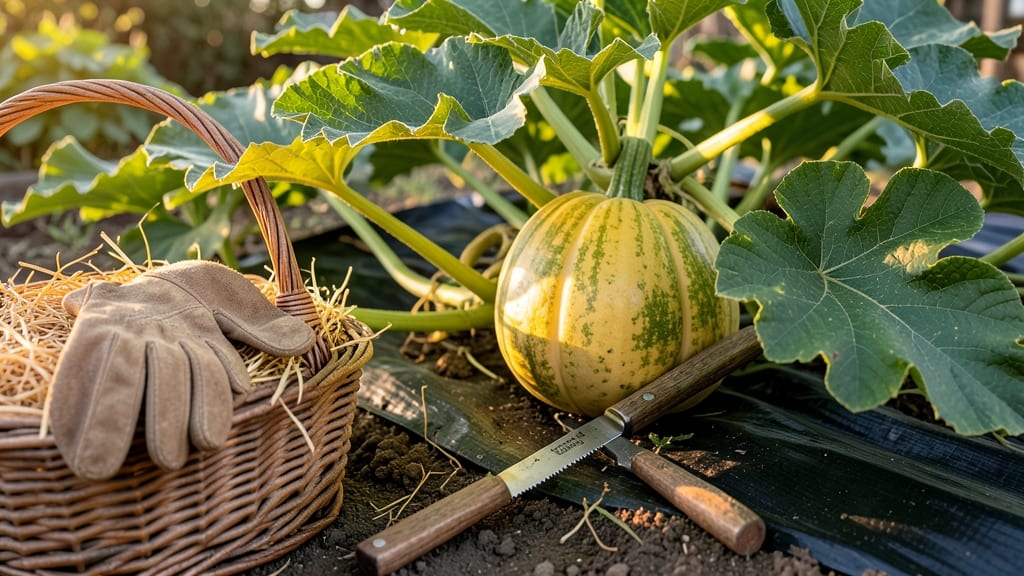
Harvesting acorn squash 🎃 at the right time means the difference between sweet, tender flesh and tough, flavorless disappointment.
Picking too early means bland, watery flesh—while waiting too long risks tough skin and wasted effort. Mastering the perfect harvest timing ensures sweet, tender squash every time.
Most varieties need 75 to 100 days from planting to reach peak ripeness, but the real test is what’s happening on the vine. Below, I’ll show you three simple ways to tell when your squash is ready to pick—no guesswork involved.
You’ll also learn how to spot overripe squash, the best way to store your harvest, and what to do if you missed the window. Let’s get started.
3 Toughness tests to determine peak acorn squash ripeness
Harvesting acorn squash at the right moment transforms a bland garden experiment into a sweet, nutty treasure. The key lies in three simple toughness tests that reveal when your squash has reached peak ripeness.
These tactile and visual cues eliminate guesswork, ensuring you pick your squash at its sweetest, firmest stage.
First, focus on the skin hardness—this is the most reliable indicator. A ripe acorn squash should feel rock-hard when pressed near the stem. If it yields slightly, it needs more time on the vine.
Next, examine the stem, which should dry out and turn brown or papery. Finally, check the seed color inside—fully ripe seeds will be deep brown, not white or green.
These tests work together like a symphony, each playing its part to confirm ripeness. When all three align, you’ve hit the sweet spot. Let’s break down each method with clear visuals and hands-on tips to make your harvest foolproof.
| Test Method | Ready Signs | Not Ready Signs | Action |
|---|---|---|---|
| Skin Hardness | Hard like a rock 🔒 | Soft or yields to pressure 🟢 | Harvest immediately |
| Stem Drying | Dry, brown, papery texture ✂️ | Green, flexible, or moist | Wait 3-5 more days |
| Seed Color | Deep brown seeds 🌱 | White or green seeds | Check again in 1 week |
The skin hardness test is your first line of defense. Use your fingernail to gently press the squash’s skin near the stem. If it doesn’t dent, it’s ready. For varieties like ‘Table Queen’, this method is especially critical—their skin thickens dramatically as they ripen.
Next, inspect the stem. A ripe acorn squash will have a stem that’s dried out and brittle. If you twist it gently, it should snap cleanly. This indicates the squash has stopped drawing nutrients, meaning it’s reached maturity. Ignoring this cue often leads to squash that’s past its prime.
For the seed color test, cut open the squash and peek inside. Fully ripe seeds will be dark brown, almost black, and firm to the touch.
If they’re still white or green, your squash needs more time. This test is particularly useful for ‘Sweet Dumpling’ varieties, where seed color changes are more pronounced.
Combine these tests for accuracy. For example, if the skin is hard but the stem is still green, wait another week. Conversely, if the stem is dry but the skin feels soft, your squash might be overripe.
Balance is key—trust your senses and the visual cues provided in the table above.
Timing your harvest correctly also depends on your climate zone. In cooler regions like USDA Zone 5, squash may take longer to ripen, so monitor these tests closely. In warmer zones like Zone 9, growth is faster, and you might need to harvest sooner.
Pro tip: Harvest on a dry morning after the dew has evaporated. This reduces the risk of fungal diseases and makes the squash easier to handle. Use a sharp knife or pruners to cut the stem, leaving a small portion attached to protect the squash during storage.
Once harvested, cure your acorn squash for 10 days in a warm, dry place (like a sunny windowsill) to develop its sweetness. Avoid refrigerating until after curing—this step is non-negotiable for peak flavor. Store cured squash in a cool, dark place for up to 3 months.
Mastering these toughness tests ensures you’ll always harvest acorn squash at its sweetest, most flavorful stage. The next time you’re tempted to pick early, remember: patience pays off with a squash that’s worth the wait. 🎃
How long does it take acorn squash to mature?
Acorn squash typically matures between 75 to 110 days after planting, with most varieties reaching peak ripeness around 90 days. This timeline starts from the moment you plant seeds or transplant seedlings, not when flowers first appear.
Understanding this window helps you plan your garden layout and harvest schedule for the fall season.
Your local climate plays a huge role in maturity timing. Cooler regions may extend the growing season by 10-15 days, while warmer areas can speed up growth.
For example, in USDA Zone 6a, acorn squash planted in late April often matures by mid-October, while in Zone 9, it might be ready by early September.
Variety selection also affects timing. Some heirloom varieties like 'Table Queen' mature in 85 days, while others like 'Autumn Gold' take closer to 100 days. Always check seed packets for specific days-to-maturity information to adjust your planting schedule accordingly.
| Stage | Days After Planting | Key Milestones |
|---|---|---|
| Seedling Emergence | 7-14 | First true leaves appear |
| Flowering Begins | 30-40 | Male flowers open first |
| Fruit Development | 45-60 | Squash grows 1-2 inches per week |
| Harvest Ready | 75-110 | Rind hard, color deepens, stem dries |
Soil quality dramatically impacts maturity timing. Well-draining, nutrient-rich soil with a pH of 6.0-6.8 helps acorn squash reach full maturity faster. Amend your soil with compost or aged manure before planting to ensure optimal growth conditions.
Poor soil can delay maturity by 2-3 weeks or result in smaller, less flavorful squash.
Watering practices also affect timing. Consistent moisture during fruit development (not soggy soil) helps squash mature evenly. I recommend watering deeply 2-3 times per week rather than frequent shallow watering. Stress from inconsistent watering can slow down the ripening process significantly.
If you're growing acorn squash in containers, expect a slightly longer maturity timeline—about 10-15 days extra—since root growth is restricted. Use large pots (at least 20 gallons) with excellent drainage and fertilize regularly to compensate for the limited space.
Remember that first frost dates are your ultimate deadline. In most regions, acorn squash needs 90-110 frost-free days to mature properly. If your growing season is shorter, consider choosing faster-maturing varieties or using row covers to extend the season by 2-3 weeks.