
How To
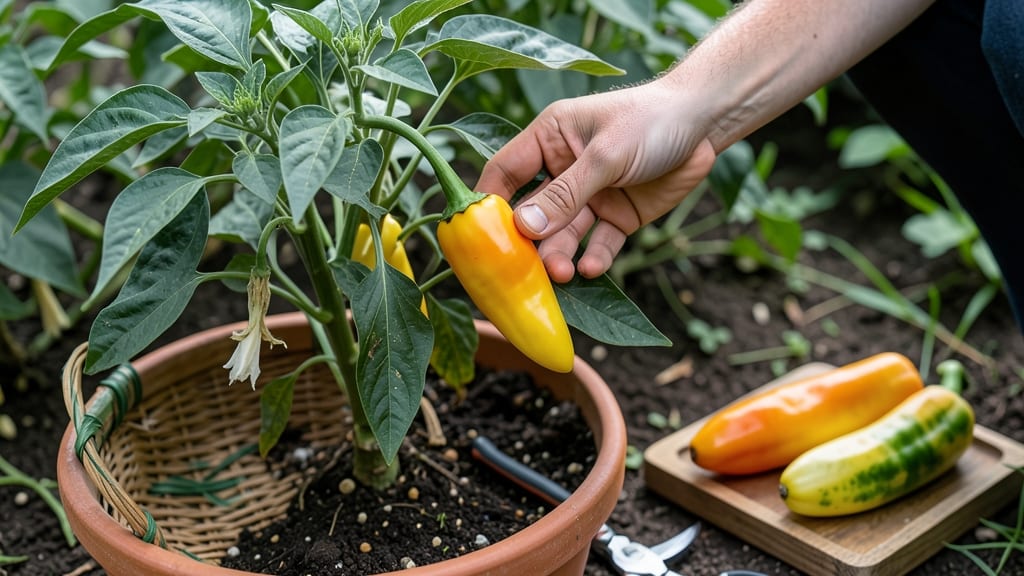
Harvesting sweet banana peppers at the right time ensures their signature sweetness and crisp texture 🌶️—but many gardeners miss the window, ending up with bland or overripe peppers.
Picture this: you’ve nurtured your plants all season, and now the moment of truth arrives. One wrong move, and you’re left with peppers that are either too small or past their prime.
The key? Timing your harvest when they’re 2-3 inches long, firm to the touch, and glowing with vibrant color.
Below, I’ll walk you through the three foolproof tests—thumb-width, finger-width, and color cues—to guarantee you pick them at peak ripeness. No more guesswork, just perfect peppers every time.
You’ll also learn how to harvest without damaging the plant and avoid common mistakes that ruin flavor. Ready to turn your garden into a sweet, crunchy success?


3 Finger-width tests to determine sweet banana pepper ripeness
Sweet banana peppers are ready to harvest when they reach peak flavor and texture—but knowing exactly when to pick can be tricky. The finger-width test is my go-to method for determining ripeness. Unlike other peppers, sweet banana peppers have a specific size and firmness window where they taste best.
Harvest too early, and they’ll be bland and underdeveloped; wait too long, and they’ll turn bitter or rubbery. These three tactile tests ensure you never miss the sweet spot.
First, let’s talk about the thumb-width test. When your pepper measures about the width of your thumb (roughly 1.5 to 2 inches), it’s time to start checking for ripeness. This is where the magic happens—peppers at this stage are still crisp and packed with sweetness.
If you’re growing a yellow banana pepper variety, this test is especially useful because color alone can be misleading. Some gardeners swear by the thumb-width rule as their primary gauge, but I always cross-reference it with the next two tests for consistency.
Next up is the finger-width test, which is my personal favorite for precision. When a pepper reaches the width of your index finger (about 2 to 3 inches), it’s typically at its sweetest and most flavorful.
Gently wrap your fingers around the pepper—if it feels firm but yields slightly to pressure, it’s ready. This test works best when combined with visual cues, like a vibrant yellow or green hue (depending on the variety).
The finger-width test is particularly useful for green banana peppers, which can sometimes stay firm longer than their yellow counterparts.
Now, let’s dive into the color-coded ripeness stages. Sweet banana peppers come in two primary colors: green and yellow. Green peppers are typically harvested earlier, around 60 to 75 days after transplanting, while yellow varieties take a bit longer—about 75 to 90 days. However, color alone isn’t enough.
A pepper might look ripe but feel soft or underdeveloped. That’s why I always pair color with the finger-width test. For example, a deep yellow pepper that’s also 2 to 3 inches wide and firm is a sure sign of ripeness.
Here’s where things get interesting: the stem snap test. When a pepper is ready, the stem should snap easily when you gently bend it. This indicates the pepper has fully matured and is ready to be picked without stressing the plant.
If the stem resists or doesn’t snap cleanly, the pepper likely needs more time. I’ve found this test particularly useful for late-season harvests, when peppers can sometimes overripe if left too long on the vine. A clean snap means you’re ready to harvest!
One common mistake I see is relying solely on color as the sole indicator of ripeness. While color is important, it’s not always reliable. For example, a pepper might turn yellow but still feel soft or mushy inside. That’s why I always use the finger-width test alongside color.
If a pepper is the right size but feels spongy, it’s not ready yet. On the flip side, if it’s firm but still small, it needs more time on the vine. Balancing these tests ensures you never pick a pepper too early or too late.
Seasonal factors also play a role in ripeness. In hotter months, sweet banana peppers can ripen faster, so I check them more frequently. Conversely, in cooler weather, they may take longer to reach the ideal size.
If you’re growing peppers in containers, they might mature slightly faster due to heat retention. Always adjust your harvesting schedule based on your local climate and growing conditions.
For instance, in Zone 6a, I start checking peppers for ripeness in early July, while in warmer zones, I might begin as early as June.
Finally, don’t forget that consistency is key. I recommend harvesting sweet banana peppers every 2 to 3 days once they start ripening. This encourages the plant to produce more peppers and ensures you always have fresh, flavorful ones on hand.
If you leave too many peppers on the vine, they’ll continue to grow and may become overripe or bitter. Regular harvesting also helps prevent pests and diseases, as overcrowded plants are more susceptible to issues like powdery mildew or aphids.
Mastering these three tests—thumb-width, finger-width, and color-coded ripeness—will transform your sweet banana pepper harvest from hit-or-miss to consistently perfect. The next time you’re in your garden, grab a pepper, give it the finger
How to harvest sweet banana peppers without damaging the plant
Harvesting sweet banana peppers at the right time ensures maximum flavor and future production. Use clean, sharp pruners or your fingers to avoid tearing the plant. Never pull peppers—this can damage the stem and reduce future yields.
The key is patience and precision to keep your plant healthy and productive all season long.
Start by identifying the perfect harvest window, which occurs when peppers reach 2-3 inches in length and have a firm, vibrant color. Overharvesting can stress the plant, while underharvesting leads to smaller, less flavorful peppers. Balance is everything for a thriving banana pepper plant.
If you harvest too aggressively, your plant may struggle to produce new peppers. Limit harvesting to 1-2 peppers per plant per week during peak season to avoid overstressing the plant. Focus on consistency—regular, gentle harvesting keeps the plant balanced and productive.
After harvesting, store peppers in a cool, dry place for up to 2 weeks or refrigerate for longer storage. Avoid washing until ready to use to prevent spoilage. Proper storage ensures your peppers stay crisp and flavorful for meals or preserving.
By following these steps, you’ll enjoy a bountiful harvest without compromising your plant’s health. Happy harvesting! Your garden will thank you with more peppers next season. 🌶️