
How To
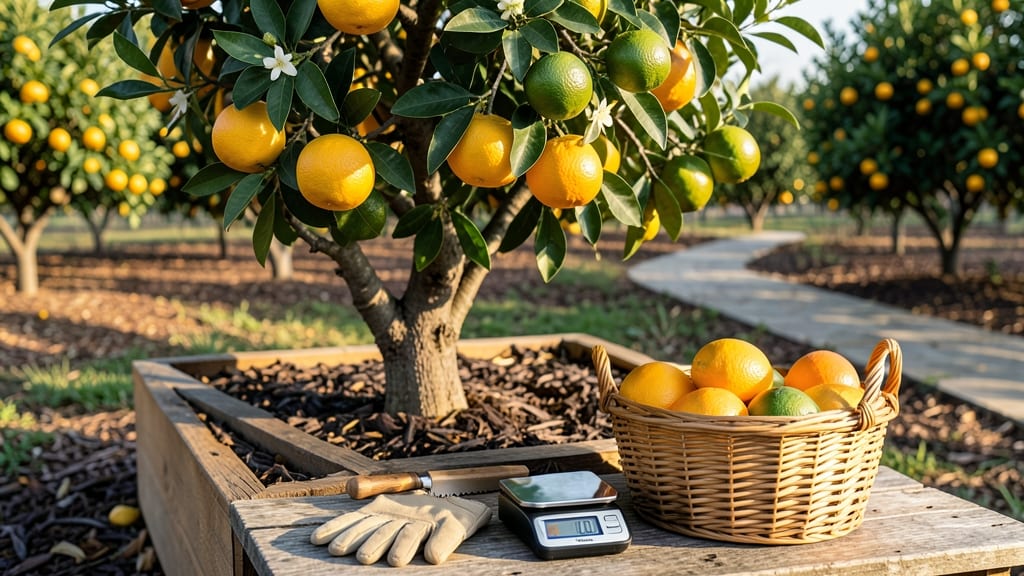
Harvest grapefruit when the fruit yields slightly to gentle pressure and the color deepens fully to yellow, orange, or red — the sweetest moment of the season.
Imagine biting into a grapefruit that bursts with juice and flavor, only to find it’s still tart and seedy. That’s the risk when you harvest too early, and it happens more often than you’d think.
The key isn’t just waiting for the color to change—it’s about three tactile tests that tell you the exact moment to pick.
In USDA Zone 9b or warmer, grapefruit ripen between October and December, but the timing shifts in cooler climates. Whether you’re growing Ruby Red or White Marsh, these tests work for every variety, ensuring you never miss peak sweetness again.
Below, I’ll walk you through how to check the skin’s texture, test the weight, and even twist the stem to know when your grapefruit is ready to eat—no guesswork involved.


3 Tactile tests to determine grapefruit ripeness
Harvesting grapefruit at the perfect moment transforms your tree's bounty from tart and seedy to sweet, juicy perfection. Unlike store-bought fruit, homegrown grapefruit let you taste-test maturity using simple hands-on techniques that reveal flavor potential before you even slice into them.
These three tactile tests eliminate guesswork by focusing on what you can see, feel, and hear—no special tools required.
The key to these tests lies in understanding how grapefruit maturity manifests physically. As fruit ripens, its color deepens, its peel texture changes, and its internal structure shifts—all clues your fingers can detect.
Mastering these cues means you'll never again pick grapefruit that's either underripe and sour or overripe and mealy, ensuring every harvest delivers restaurant-quality flavor.
Start with the color test as your first checkpoint, especially for variety-specific ripeness. Ruby Red grapefruit, for example, won't reach their signature deep red until they're fully mature, while White Marsh varieties turn a bright yellow that's impossible to miss.
Hold the fruit up to natural light—artificial lighting can trick you into thinking green patches are shadows. Pro tip: Compare multiple grapefruit from the same tree; the most vibrant-colored ones are usually the ripest.
The peel texture test reveals what's happening inside the fruit. A ripe grapefruit should feel firm but slightly yielding when pressed with your thumb—like pressing a ripe avocado. If the skin dents deeply or feels mushy, the fruit has passed its prime.
For best results, test the equator of the fruit (the widest part) rather than the stem end, where texture can vary. This test works best in the morning when fruit is coolest and firmest.
Save the stem test for final confirmation, as it's the most reliable indicator of internal ripeness. When you twist the stem gently between your fingers, it should detach with a clean snap—not a slow pull or a tear.
This separation happens because the fruit's abscission layer (a natural weakening point) develops as it matures. If stems resist, wait another week; if they pull away too easily, harvest immediately to avoid overripeness.
Timing matters when combining these tests. Perform them early in the morning when temperatures are cooler—fruit feels firmer then, making texture differences more obvious. Avoid testing after rain or heavy watering, as moisture can make grapefruit feel softer than they actually are.
For home gardeners in Zone 9b, these tests work best between October and December, when grapefruit naturally reach peak maturity.
Don't overlook the weight test, a bonus tactile clue that works alongside the others. A ripe grapefruit feels heavy for its size because its juice content peaks. Hold two grapefruit of similar size—one ripe and one underripe—and you'll notice the difference immediately.
This test is especially useful for potted grapefruit trees, where size variations can be more pronounced than in orchard settings.
What if your grapefruit pass all three tests but still taste tart? The issue might be climate-related stress. Grapefruit grown in hotter climates (like Florida) often ripen faster and develop more sugar, while those in cooler coastal areas (like California) may need longer on the tree.
In these cases, leave the fruit hanging for 2-3 more weeks—additional sun exposure can boost sweetness naturally.
For first-time grapefruit growers, keep a harvest journal. Note the date when your fruit passes each test, along with the final flavor result. Over time, you'll recognize subtle patterns unique to your tree's variety and microclimate.
This personal record becomes your most valuable tool for predicting perfect ripeness in future seasons.
Remember: The best grapefruit aren't always the biggest or brightest—they're the ones that pass all three tactile tests with flying colors.
When you master these simple techniques, you'll transform from a guessing gardener to a flavor expert, harvesting grapefruit that rival the sweetest, juiciest fruit you've ever tasted—straight from your own backyard.
How climate and variety affect grapefruit harvest timing
Grapefruit harvest timing isn't one-size-fits-all—it depends heavily on your climate zone and the variety you're growing. In Florida's subtropical heat, grapefruits often ripen as early as September-October, while California's Mediterranean climate pushes harvests to November-December.
Even within these regions, Ruby Red varieties may mature weeks earlier than White Marsh or Pink Marsh types. Understanding these patterns ensures you don't miss peak flavor or risk frost damage.
Your local frost dates are the ultimate deadline for grapefruit harvests. In USDA Zone 9b (like Florida's interior), first frosts can arrive by December 15, forcing harvests to finish by mid-November. Meanwhile, coastal California (Zone 10a+) enjoys frost-free windows until January 15, allowing later harvests.
The Mediterranean climate of Spain or Israel extends harvests even longer, with some varieties ripening through February.
| Region/Climate | Key Varieties | Harvest Window | Frost Risk |
|---|---|---|---|
| Florida (Subtropical) | Ruby Red, White Marsh, Pink Marsh | September 15 - November 15 | High (Dec 15+) |
| California (Mediterranean) | Rio Red, Thompson Pink | November 1 - December 31 | Low (Jan 15+) |
| Spain/Italy (Mediterranean) | Star Ruby, White Marsh | October 15 - February 15 | None (Zone 10+) |
| Texas Gulf Coast (Humid Subtropical) | Duncan, Oroblanco | October 1 - December 1 | Moderate (Nov 15+) |
The Ruby Red variety typically ripens 2-3 weeks earlier than White Marsh, making it ideal for early-season harvests in frost-prone areas. Meanwhile, Pink Marsh often holds on the tree longer, offering a prolonged harvest window in mild climates.
For home gardeners in Zone 9b, I recommend harvesting Ruby Red by November 1 and White Marsh by November 15 to avoid frost damage.
Climate also affects fruit sweetness development. In hotter regions like Florida, grapefruits may ripen faster but develop less sugar concentration without proper winter chilling. California's cooler nights enhance flavor complexity, while Mediterranean climates produce grapefruits with balanced acidity and sweetness.
To maximize flavor, I always check for full color development and gentle give when pressed—regardless of the variety or region.
If you're growing multiple varieties, stagger your harvests by checking each type separately. Ruby Red grapefruits will often detach from the tree first, followed by Pink Marsh, then White Marsh.
In frost-prone areas, prioritize harvesting lower branches first where cold air settles. For container-grown grapefruits, bring pots indoors before 50°F nighttime temps to protect developing fruit.
Remember that harvest timing affects storage life. Grapefruits picked at peak ripeness in California's December can last 3-4 weeks at room temperature, while Florida's October harvests may only keep 1-2 weeks before softening.
For long-term storage, harvest slightly underripe (but fully colored) and let them ripen indoors at 60-65°F for 5-7 days.