
How To
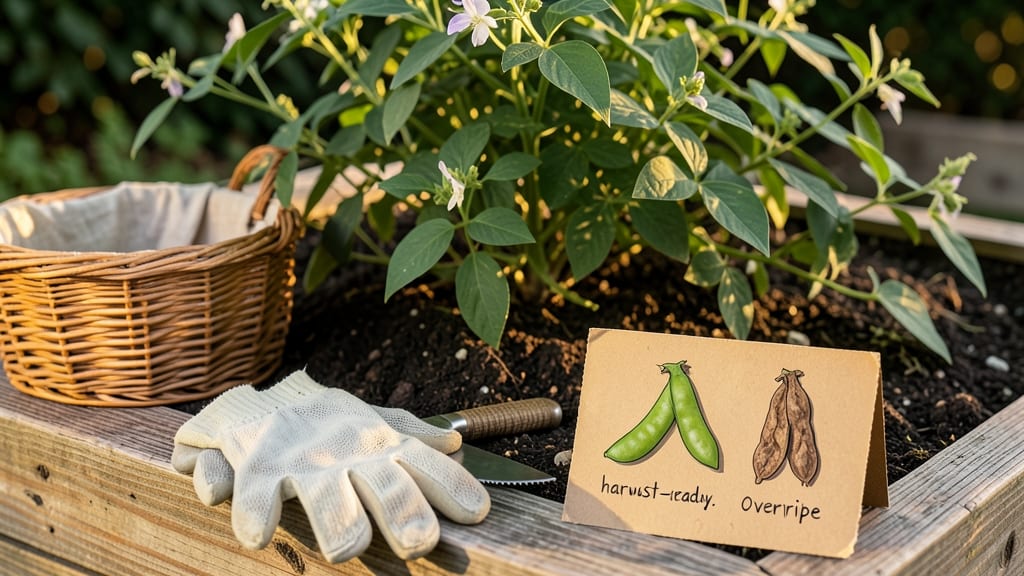
Harvesting edamame beans at the right time means the difference between crisp, sweet pods and tough, bitter ones that shatter like dry kindling.
Picture this: you’ve nurtured your 🌱 edamame plants all season, and now the pods are plump—but how do you know they’re just ready? Miss the window, and you’ll end up with overripe beans or empty pods.
The secret lies in three simple tactile tests that tell you exactly when to pick.
Most varieties reach peak harvest time around 75-90 days after planting, but environmental factors like temperature and variety can shift that window. Too early, and the beans won’t be fully developed; too late, and the pods turn woody or burst open.
The good news? With the right cues—like pod size, color, and a gentle squeeze—you can nail the perfect harvest every time.
Below, I’ll walk you through the three key tests to determine when your edamame is ready, plus how to store them afterward to keep that fresh-from-the-garden flavor. No more guesswork, just delicious, homegrown pods!


3 Tactile tests to determine perfect edamame harvest time
Harvesting edamame at the right moment transforms your garden into a protein-packed treasure trove. But how do you know when those pods are ready? The answer lies in your hands—literally. Unlike many crops, edamame gives clear physical cues that tell you exactly when to pick.
These tactile tests eliminate guesswork and ensure you harvest pods that are tender, flavorful, and packed with nutrients.
Most gardeners rely on days-to-maturity charts, but edamame thrives when you use your senses. The thumb squeeze test, pod color shift, and seed visibility check work together like a trio of nature’s quality control measures.
Master these three tests, and you’ll never again pick pods that are too tough or too late. Let’s dive into each method so you can confidently harvest like a pro.
🌱 Numbered Highlights: Edamame Harvest Tactile Tests
- Test 1: Thumb Squeeze – Gently press a pod between your thumb and forefinger. If it yields slightly but doesn’t dent or crack, it’s ready. A hard pod means it’s overripe, while a soft pod needs more time.
- Test 2: Pod Color Shift – Look for pods that transition from bright green to a yellowish-green hue. Avoid pods with brown spots or dry patches, as these signal overmaturity. The ideal color is like a sunlit lime.
- Test 3: Seed Visibility – Hold a pod up to the light. The seeds inside should be 0.5–1 inch long and visible through the pod wall. If you can’t see them clearly, the pod is too young. If the seeds look wrinkled or brown, it’s past its prime.
Pro Tip: Perform these tests on 3–5 pods per plant to ensure consistency. Harvest in the morning when pods are cool and crisp.
Start with the thumb squeeze test—this is your first line of defense against overripe pods. When you press an edamame pod, it should feel like squeezing a ripe avocado: firm enough to hold its shape but yielding just enough to tell you it’s ready.
If the pod cracks or leaves a dent, it’s past its peak. On the flip side, if it feels mushy or collapses, it’s not mature enough. This tactile feedback is your instant quality check.
The pod color shift is your visual cue, but it’s easy to misjudge if you’re not paying attention to the subtle hue changes. Bright green pods are still developing, while pods with yellowish-green tips are nearing perfection.
Avoid harvesting pods with any brown or dry areas, as these indicate the plant is redirecting energy to seed development, leaving the pods tough and bitter. Think of it like a traffic light: green means "go," yellow means "almost there," and brown means "stop."
Next, use the seed visibility check to confirm maturity. Hold a pod up to natural light and look for plump, green seeds that fill about half the pod’s length. If the seeds are tiny or translucent, the pod needs more time.
If they’re wrinkled or darkening, the window has closed. This test is especially useful for purple or black edamame varieties, where color changes can be harder to spot. The seeds should look like tiny marbles inside their pod.
Combine all three tests for the most accurate results. For example, you might find a pod that passes the thumb squeeze but fails the color shift—this means it’s ready in a day or two.
Or you might spot a pod that’s the right color but too hard to squeeze, signaling it’s overripe. By cross-referencing these cues, you’ll develop an intuitive sense of when your edamame is at its best.
This method works for all edamame varieties, whether you’re growing green, purple, or black pods.
Timing your harvests correctly also extends your edamame season. If you pick pods too early, the plant will keep producing more pods over time, giving you a staggered harvest. But if you wait too long, the entire plant may shatter its pods, scattering seeds across your garden.
To maximize yield, harvest every 2–3 days once pods start maturing. This frequent picking encourages the plant to produce more pods, keeping your harvest bountiful all season.
One common mistake is relying solely on pod size as the determining factor. While pods should be 2–3 inches long at harvest, size alone doesn’t guarantee tenderness. A pod that meets the size requirement but fails the thumb squeeze will still be tough and unappetizing.
Always prioritize the physical tests over a ruler measurement. Your hands know best—trust them.
For gardeners in warmer climates, edamame pods may mature faster, so check them daily once they start forming. In cooler regions, pods develop more slowly, and you can extend your checks to every other day.
Pay attention to your local microclimate: a sunny spot might yield ready pods a day earlier than a shadier area. Adjust your tactile tests accordingly to stay ahead of the curve.
Once you’ve mastered these three tests, harvesting edamame becomes second nature. You’ll know exactly when to reach for your pruning shears or simply pinch the pods off the stem. The key is consistency—check the same pods at the same time each day to track their progress.
With practice, you’ll develop a sixth sense for edamame maturity, making your garden the envy of the neighborhood. Happy harvesting! 🌱
Edamame harvest timing: days to maturity vs. pod development stages
Understanding edamame harvest timing starts with recognizing its three key growth phases: flowering, pod swelling, and maturity. Most varieties take 75-90 days from planting to reach harvest readiness, but this varies by color—green, purple, or black pods.
Each phase offers visual cues to guide your harvest schedule, ensuring you pick pods when they’re tender and flavorful.
After flowering (around 30-40 days), pods begin swelling rapidly. This is when you’ll notice the first yellow-green pods forming. The critical window for harvest opens when pods reach 2-3 inches long—this is typically 60-75 days after planting, depending on your variety.
Missing this window means pods toughen, and beans inside lose their sweetness.
Variety matters when planning harvests. Green edamame varieties like 'Enrei' mature fastest (around 70 days), while purple types like 'Black Turtle Soya' take longer (80-90 days). Even within the same color, pod development speeds differ—always check seed packets for days-to-maturity estimates. Planting multiple varieties can extend your harvest season by 2-3 weeks.
| Variety | Pod Color | Days to Maturity | Harvest Window | Pod Size at Harvest |
|---|---|---|---|---|
| Enrei | Green | 70-75 | Late July-August | 2-2.5 inches |
| Midori | Green | 75-80 | Early August-September | 2.5-3 inches |
| Black Turtle Soya | Purple | 80-90 | Mid-August-September | 3 inches |
| Asagao | Green | 65-70 | Late July | 2 inches |
| Kurodane | Black | 85-90 | Late August-September | 3-3.5 inches |
Pod development accelerates during late summer, so monitor your plants closely. Look for plump, slightly shiny pods with visible but not fully formed beans inside—this is your harvest cue.
If left unchecked, pods will turn brown and dry, causing beans to harden and lose flavor. For continuous harvests, pick pods every 2-3 days once they start forming.
Temperature plays a role too. In hotter climates, edamame may mature faster (sometimes in as few as 60 days), while cooler regions could extend the timeline to 90+ days.
Always adjust your harvest schedule based on local weather patterns. A simple trick: harvest in the morning when pods are coolest and crispest for the best texture.
Pro tip: Label your plants at planting time to track each variety’s progress. This helps you rotate harvests and avoid overloading your kitchen with pods all at once. With the right timing, you’ll enjoy crisp, protein-rich edamame straight from your garden to the table—no bitter aftertaste in sight! 🌱