
How To
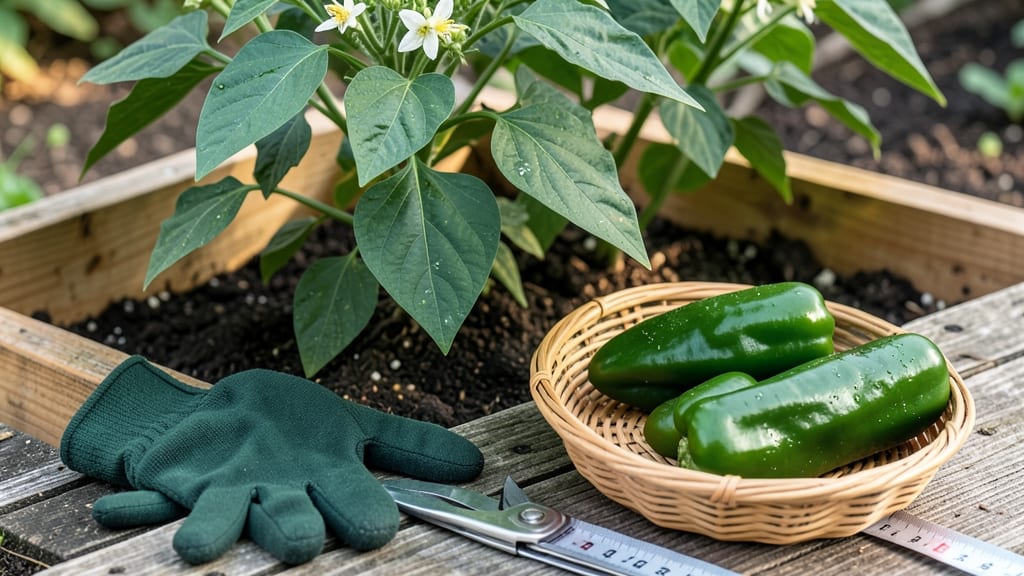
Harvesting mammoth jalapeño peppers at the right time means the difference between fiery, 3-inch monsters and underwhelming shrubs.
Growing Mammoth Jalapeños in your garden? Timing your harvest correctly ensures you get the largest, hottest peppers possible—but many gardeners miss the window. Here’s how to spot the perfect moment before these giants lose their fiery potential.
Look for three key signs: first, the pepper’s color deepens to a rich green, red, or purple 🌶️. Second, it should resist gentle pressure when you press a thumbnail against the skin. Finally, the stem should snap easily when bent—no tugging required.
Environmental factors like temperature and sunlight also play a role. Hotter days and full sun speed up ripening, so check your peppers more often in peak summer. Below, I’ll break down how to test heat levels and avoid common mistakes that shrink size and reduce heat.


3 Visual signs your Mammoth Jalapeños are ready for harvest
If you're growing Mammoth Jalapeños in your garden, knowing the exact moment to harvest can mean the difference between massive, fiery peppers and disappointing small ones. These giants—often 3-5 inches long at maturity—don’t just ripen; they transform in ways that signal peak flavor and heat.
Missing these cues can lead to underripe peppers that lack the bold spice and size you’re craving.
Unlike standard jalapeños, Mammoth varieties take longer to mature, so patience is key. The right harvest time ensures you get the largest possible peppers with the most intense heat.
But how do you know when they’re truly ready? Look for these three visual signs that guarantee you’re harvesting at the perfect moment.
Mammoth Jalapeños are bred for size, so aim for 3-5 inches long. Measure from the base to the tip—anything smaller may still be developing.
Ready peppers develop a vibrant green, red, or purple hue (depending on variety) and feel slightly firm but yield slightly when pressed with your thumbnail.
Gently bend the pepper at the stem—if it snaps off easily (rather than tearing), it’s ready. This indicates the pepper is fully mature and won’t bruise when harvested.
One of the most common mistakes gardeners make is harvesting Mammoth Jalapeños too early because they’re impatient for a harvest. But rushing the process can leave you with peppers that are smaller, milder, and less flavorful.
The 3-5 inch length is your first clue—anything under 3 inches likely hasn’t reached its full potential.
Color is another critical indicator. While standard jalapeños often turn red when fully ripe, Mammoth varieties can stay green but deepen in shade. Look for a rich, glossy green (or the expected mature color for your variety) as a sign of readiness.
A pale or dull pepper is a red flag—it’s not ready yet.
Don’t overlook the stem separation test, which is often the most reliable sign. When you gently twist the pepper at the stem, it should detach cleanly without resistance.
If the stem tears or the pepper feels spongy, it’s not fully mature. This test ensures you’re harvesting at the perfect moment for maximum heat and size.
Environmental factors like temperature and sunlight also play a role in ripening. Mammoth Jalapeños thrive in full sun (6+ hours daily) and warm temperatures (70-85°F). If your peppers are growing in cooler conditions, they may take longer to reach harvest size.
Keep an eye on these factors to adjust your expectations.
Once you’ve confirmed all three signs—size, color, and stem separation—it’s time to harvest. Use a sharp pair of clean pruning shears or your fingers to avoid damaging the plant.
Harvesting at the right time not only ensures the best flavor but also encourages the plant to produce more peppers throughout the season.
Pro tip: If you’re unsure whether your Mammoth Jalapeños are ready, wait another 3-5 days and check again. Peppers that are fully ripe will continue to develop flavor and heat even after picking, so a little patience goes a long way.
By mastering these three visual cues, you’ll never miss the perfect harvest window again. Your garden will reward you with bold, fiery peppers that are the envy of every hot sauce lover—and you’ll finally get those Mammoth-sized jalapeños you’ve been dreaming of! 🌶️
How to test heat level before harvesting Mammoth Jalapeños
Harvesting your Mammoth Jalapeños at the perfect moment means balancing size and spice intensity. Unlike smaller varieties, these giants take longer to develop their signature kick. The key? Testing their heat readiness before cutting them down.
I’ve learned the hard way that picking too early means mild, undersized peppers, while waiting too long can reduce both heat and texture.
Start by checking the color of the stem. A yellowing stem base is your first clue that the pepper is maturing. Green stems mean it’s still too early, but don’t wait too long—once the stem turns brown, the pepper may lose some of its fiery potential.
This simple visual cue can save you from harvesting bland peppers.
Next, perform the squeeze test, a foolproof method I swear by. Gently press the pepper between your thumb and forefinger. If it feels slightly soft but still firm, it’s ready. A hard pepper needs more time, while an overly soft one may be past its prime.
This test helps you gauge both ripeness and heat development—the softer the skin, the more capsaicin has developed.
Here’s how color changes predict heat levels in Mammoth Jalapeños: Green = Mild (harvest early for larger size, but less heat) Red/Purple = Hotter (peak spice intensity) Brown spots = Overripe (heat fades, texture degrades) Use this as a secondary check alongside the squeeze test for the most accurate results.
For an extra kick, let your Mammoth Jalapeños ripen fully on the plant. If you notice color shifts to red or purple, wait another 2-3 days before harvesting. These later-stage peppers pack the most capsaicin, but don’t overlook the size trade-off—they’ll be smaller but fiercer.
I’ve found that harvesting a mix of green and red peppers gives me both heat variety and plenty of peppers to enjoy.
Pro tip: Harvest in the morning when temperatures are cooler. This preserves the pepper’s natural oils and heat levels better than harvesting in the heat of the day. Store your freshly picked Mammoth Jalapeños in a cool, dark place for up to a week, or freeze them for long-term use.
The right timing now means fiery, flavorful peppers all season long!