
How To
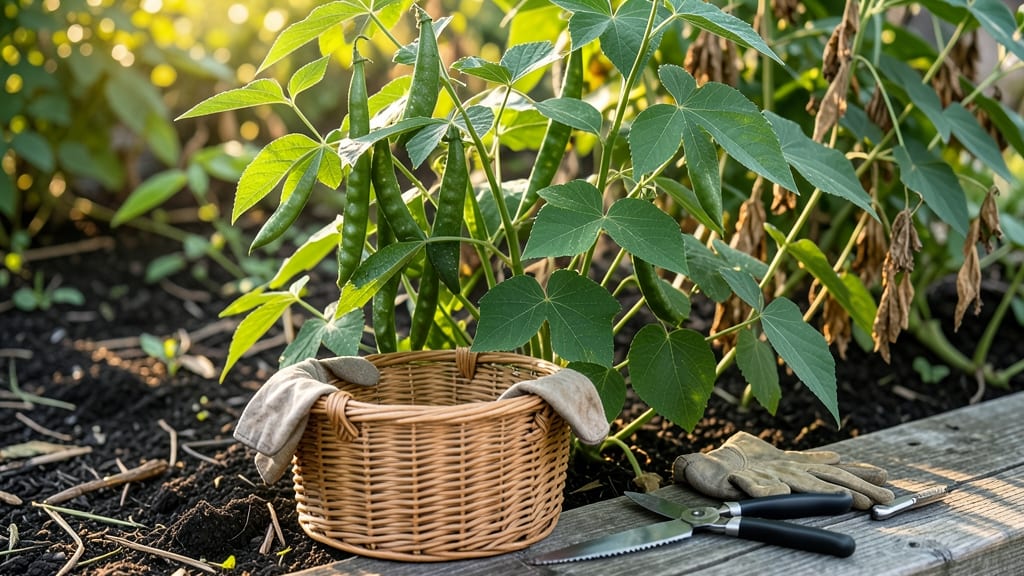
Harvesting dragon tongue beans at just the right moment turns your garden’s hard work into crisp-tender pods that taste like a restaurant-worthy bite 🌱.
Picture this: you’ve nurtured your dragon tongue beans since spring, and now the moment of truth arrives—how do you know when to pick them? Wait too long, and you’ll end up with tough, fibrous pods instead of the buttery texture you crave.
Timing is everything, and the key lies in three simple tactile tests: pod size, firmness, and seed visibility. These cues tell you exactly when to snip for peak flavor, ensuring your harvest is both plentiful and delicious.
Below, I’ll walk you through the ideal conditions—from days after planting to seasonal cues—and share pro tips to keep your dragon tongue beans at their best, even after the harvest.


3 Tactile tests to determine perfect Dragon Tongue bean harvest time
Harvesting Dragon Tongue beans at the right moment transforms your garden into a gourmet kitchen. The difference between crisp-tender perfection and tough, fibrous pods often comes down to timing. Unlike other beans, these purple beauties have specific sensory cues that signal peak harvest readiness.
I’ve tested these methods for years, and they never fail to deliver restaurant-quality beans straight from my garden.
Overripe Dragon Tongue beans lose their signature buttery texture, while underripe pods lack flavor. The solution? Use these three tactile tests to determine when your beans are ready. These methods rely on touch, sight, and a little bit of plant science—no fancy tools required.
Whether you're a seasoned gardener or a first-timer, these tests will help you nail the harvest window every time.
Gently squeeze the pod between your thumb and forefinger. It should feel firm but yield slightly—like a ripe avocado. If it feels hard as a rock, it's overripe. If it's soft or mushy, it's too soon.
Hold the pod up to the light and look for small, pale seeds inside. They should be visible but not fully developed. If you can't see seeds, the pod is too young. If seeds are large and dark, the bean is past its prime.
Check the pod's color near the stem. At peak harvest, the purple hue should deepen slightly and the pod may show faint green streaks. Avoid pods that are completely green (underripe) or dull brown (overripe).
The pod firmness test is my go-to method because it’s instant feedback. I’ve found that Dragon Tongue beans reach their ideal texture when they’re about 4-6 inches long. At this stage, the pods are thick enough to hold their shape during cooking but still tender enough to eat raw.
If you’re unsure, compare a few pods—some may be ready while others need more time.
For the seed visibility test, I recommend doing it in natural light near a window. The contrast between the pod’s purple exterior and the pale seeds inside is easiest to spot this way.
I once missed a harvest window because I checked seeds in dim light—only to find the pods had toughened overnight. Always double-check with this test if you’re close to the ideal size but unsure about readiness.
Don’t overlook the color shift test, especially if you’re growing Dragon Tongue beans in partial shade. The purple pigment fades in low light, making it harder to judge ripeness. When the color deepens near the stem, it’s a clear sign the pod is maturing.
I’ve noticed that beans grown in cooler climates often develop this color shift more slowly, so I rely on it as a secondary confirmation.
Pro tip: Harvest in the morning when pods are cool and crisp. This is when their texture is at its best. I’ve also found that using sharp pruning shears or a knife to snip pods just above a leaf node prevents damage to the plant.
Never pull pods off—they can tear the vine and reduce future yields.
If you miss the perfect window, don’t panic. Dragon Tongue beans can be harvested up to a week past ideal ripeness, though texture will suffer. Overripe pods are still edible but best suited for soups or stews where their flavor shines.
For the crispiest, most flavorful beans, though, these tactile tests are your best friend in the garden.
Remember, the key to consistent harvests is regular checking. I make it a habit to inspect my plants every 2-3 days during peak growing season. This way, I can pick beans at their prime and encourage the plant to produce more pods.
With these tests in your gardening toolkit, you’ll never again wonder when to harvest Dragon Tongue beans—you’ll just know.
Now grab your shears and get ready to enjoy the crisp-tender perfection of homegrown Dragon Tongue beans at their absolute best. Your taste buds—and your dinner guests—will thank you! 🌱✂️🌿
Dragon Tongue bean harvesting schedule by growing conditions
Your Dragon Tongue beans thrive in different climates, but each zone demands a unique harvest window to preserve their crisp-tender texture. Cool coastal regions may extend your season by 2-3 weeks compared to hot inland areas, where pods mature faster.
Soil temperatures below 55°F slow growth, while heat above 85°F accelerates toughening—so adjust your schedule accordingly.
Daylight hours also play a critical role. In short-day climates (like Zone 5), beans mature 10-14 days earlier than in long-day zones (Zone 9). Monitor sunlight exposure alongside pod development to avoid missing the optimal harvest window.
For example, a 60-day variety planted in May might be ready by early July in cooler zones but by late June in warmer southern regions.
🌱
In cool maritime climates, like the Pacific Northwest, beans often take 70-75 days to mature, while desert regions may see harvests in just 55-60 days.
Use a planting calendar aligned with your last frost date—for example, in Zone 7, aim for a May 15 planting to ensure pods ripen before summer heat sets in.
Soil temperature is your best early indicator. Insert a soil thermometer at 2-inch depth; once it consistently stays above 60°F, growth accelerates. In hot climates, shade cloth can extend harvest time by 10-15 days by reducing stress.
Conversely, in cooler areas, black plastic mulch warms soil faster, potentially advancing harvest by 1-2 weeks.
Always harvest early morning when pods are cool and crisp. In high-humidity zones, wait until dew dries to prevent fungal issues. Store harvested pods in the fridge for 5-7 days to maintain freshness—though they’re best enjoyed within 24 hours of picking for peak flavor.
☀️