
Picking
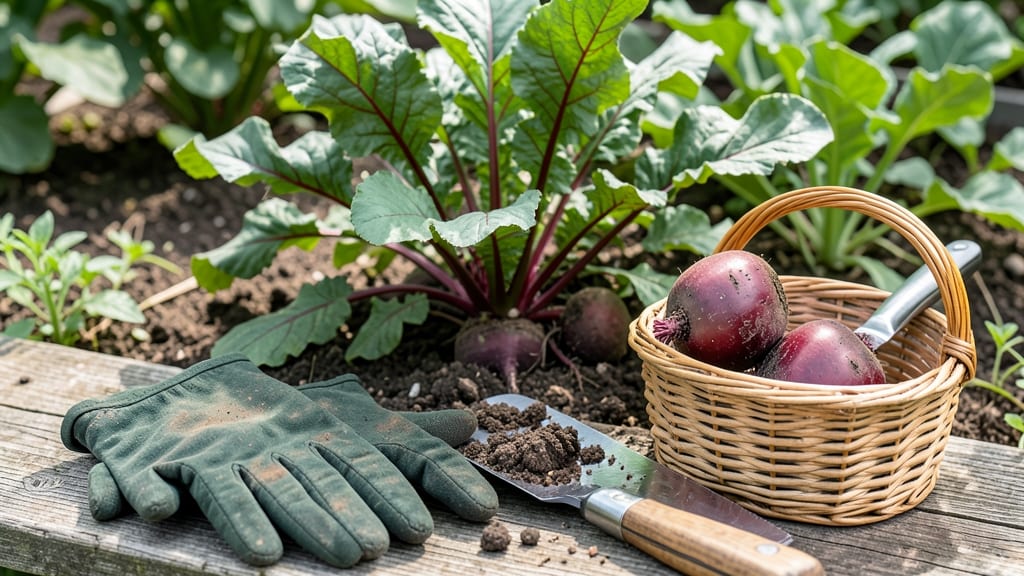
To pick beetroot from the garden at peak sweetness, aim for 50–70 days after planting when roots reach 1–3 inches in diameter.
Beetroot’s sweetness peaks at the perfect moment—pick too early, and you’ll miss out on rich flavor; wait too long, and the roots turn woody. Mastering these 3 tactile tests ensures your harvest delivers garden-fresh sweetness every time.
First, check the root size—it should feel firm and resist gentle pressure, like a ripe avocado. Then look for deep, consistent color, whether that’s ruby red, golden yellow, or striped. Finally, tug on the leaves: if they pull out easily, the beetroot is ready.
In this guide, I’ll break down these hands-on methods, plus how soil conditions and weather can shift your harvest window. By the end, you’ll know exactly when to pull those 🍠 beauties for the sweetest, most tender beetroot of the season.


3 Tactile tests to determine perfect beetroot harvest time
Knowing when to pick beetroot from your garden isn’t just about counting days—it’s about feeling the roots and understanding their signals. Unlike many vegetables, beetroot’s sweetness and texture change dramatically as they mature.
If you harvest too early, you’ll get bland, watery roots; too late, and they’ll turn tough and woody. The good news? With these three tactile tests, you can determine peak ripeness by touch, sight, and a little patience.
Beetroots thrive in cool-season gardens, typically ready for harvest 50–70 days after planting. But days alone don’t guarantee sweetness—soil conditions, temperature swings, and even rainfall can shift the timeline. That’s why gardeners swear by hands-on checks rather than relying on a calendar.
Think of it like tasting a tomato: you wouldn’t pick it just because it’s red; you’d squeeze it, sniff it, and maybe even give it a little twist.
Here’s how to apply these same principles to beetroot. The key is to test multiple factors—not just one—to ensure you’re harvesting at the sweetest, crunchiest moment. Start by examining the soil resistance, then move to the root size, and finally, check the stem flexibility.
Each test builds on the last, giving you a clear picture of whether your beetroot is ready for the table—or still needs time in the ground.
🌱 3 Tactile Tests for Perfect Beetroot Harvest
-
1. Soil Resistance Test
Gently squeeze the soil around the beetroot. If it feels firm but not hard, the root is likely ready. Too loose? Wait a few days. Too compact? Your beetroot may be stunted. -
2. Root Size Check
Dig around the base of the plant to expose the root. Ideal size is 1–3 inches in diameter. Smaller than a golf ball? Not ready. Larger than a tennis ball? It’s past its prime. -
3. Stem Flexibility Test
Gently bend the top leaves near the stem. If they snap easily, the root is mature. If they bend without breaking, give it more time. This test confirms the root’s internal structure is firm.
💡 Pro Tip: Combine all three tests for the most accurate harvest timing.
The soil resistance test is my favorite because it tells you more than just the root’s size—it reveals the root’s health. Healthy beetroot grows in well-draining soil that’s moist but not soggy.
If the soil feels dry and crumbly, your beetroot might be stressed, leading to a bitter taste. On the flip side, mucky or waterlogged soil can cause the roots to split or rot. Aim for soil that holds its shape when squeezed but isn’t sticky.
This consistency ensures your beetroot develops evenly and sweetly.
Next, focus on the root size, which is the most visual cue for harvest readiness. Beetroots come in a range of sizes, from baby beetroots (1 inch) to mature roots (3+ inches).
Baby beetroots are tender and slightly sweeter, while mature ones have a deeper flavor and firmer texture. To check, use your fingers to gently brush away soil around the base of the plant. If the root is smooth and plump, it’s ready.
If it’s lumpy or misshapen, it might have been disturbed by pests or uneven growth.
Don’t overlook the stem flexibility test, which is a game-changer for avoiding woody roots. The stem’s flexibility indicates whether the root’s internal structure has fully developed.
When you bend the leaves near the stem and they snap cleanly, it’s a sign the root has reached its peak sweetness and crunch. If the leaves bend without breaking, the root needs more time to mature.
This test is especially useful for heirloom varieties, which can take longer to reach full ripeness.
Visual cues also play a role, but they’re secondary to the tactile tests. Look for deep, consistent color—whether it’s the classic deep red, golden yellow, or striped patterns. The skin should be smooth and unblemished, not cracked or scarred.
If the leaves are large and vibrant but not wilted, that’s another green light. However, if the leaves start to yellow or bolt (send up a flower stalk), it’s a sign the beetroot is past its prime and has shifted its energy to reproduction.
Timing your harvest also depends on your climate and season. In cool spring or fall weather, beetroot grows more slowly, so you might need to wait closer to 70 days for full maturity.
In warm summer months, growth accelerates, and you could harvest as early as 50 days. Pay attention to temperature fluctuations: sudden heat waves can cause beetroot to bolt, while prolonged cold snaps may stunt growth.
Always harvest in the morning after watering to ensure the soil is moist and the roots are firm.
Once you’ve confirmed your beetroot is ready, use a sharp garden fork or trowel to loosen the soil around the root before lifting it gently. Avoid pulling by the leaves, as this can damage the root.
After harvesting, trim the leaves to about 1 inch above the root, leaving the greens for salads or cooking separately. Store beetroot in a cool, dark place (like a root cellar or refrigerator) for up to 2 weeks to preserve its sweetness and crunch.
Mastering these three tactile tests will transform your beetroot harvests from guesswork to garden-perfect precision. The next time you’re tempted to pull a beetroot based on days alone, take a moment to feel the soil, check the size, and test the stem.
Your taste buds—and your dinner table—will thank you for the effort. Happy harvesting! 🌱
How beetroot size and soil conditions affect sweetness
Beetroot sweetness isn’t just about size—it’s a delicate balance of root diameter, soil moisture, and temperature. Smaller beetroots (1-2 inches) are tender and sweet, but larger ones (2-3 inches) develop deeper flavor. The key? Harvest before the woody core forms, which happens when roots exceed 3 inches.
Soil moisture plays a critical role in flavor development. Too dry? Roots become bitter and tough. Too wet? They absorb excess water, diluting sweetness. Aim for consistently moist soil—about 1-2 inches of water weekly—while ensuring good drainage. Sandy soils dry faster, while clay holds moisture longer, requiring adjustments.
Temperature also influences sweetness. Cooler spring and fall seasons (50–70°F) produce sweeter beetroots than hot summers (above 80°F). Day-length sensitivity means shorter days trigger natural sugar concentration. Plant in early spring or late summer for the best balance of size and sweetness.
Baby beetroots (harvested at 1 inch or smaller) offer a milder, earthy sweetness perfect for quick salads. But for maximum flavor, wait until roots reach 2-3 inches. At this size, they develop richer sugars and a firmer texture.
Think of it like wine—younger beetroots are like a crisp white, while mature ones are bold reds.
One common mistake? Harvesting based solely on days after planting. While most varieties mature in 50–70 days, flavor depends more on environmental conditions than time. For example, a beetroot grown in cool, moist soil may be sweeter at 45 days than one in hot, dry conditions at 70 days.
To test sweetness before harvesting, gently squeeze the root. If it feels firm and resists pressure, it’s ready. If it’s soft or easily punctured, it’s either too young or overripe. Pay attention to the stem flexibility too—healthy stems bend slightly without snapping, indicating optimal maturity.
Pro tip: Harvest in the morning after the soil has cooled. This ensures roots are at their sweetest, as daytime heat can cause sugars to break down. Store freshly picked beetroots in a cool, dark place (like a root cellar) to preserve sweetness for up to 2 weeks.