
How To
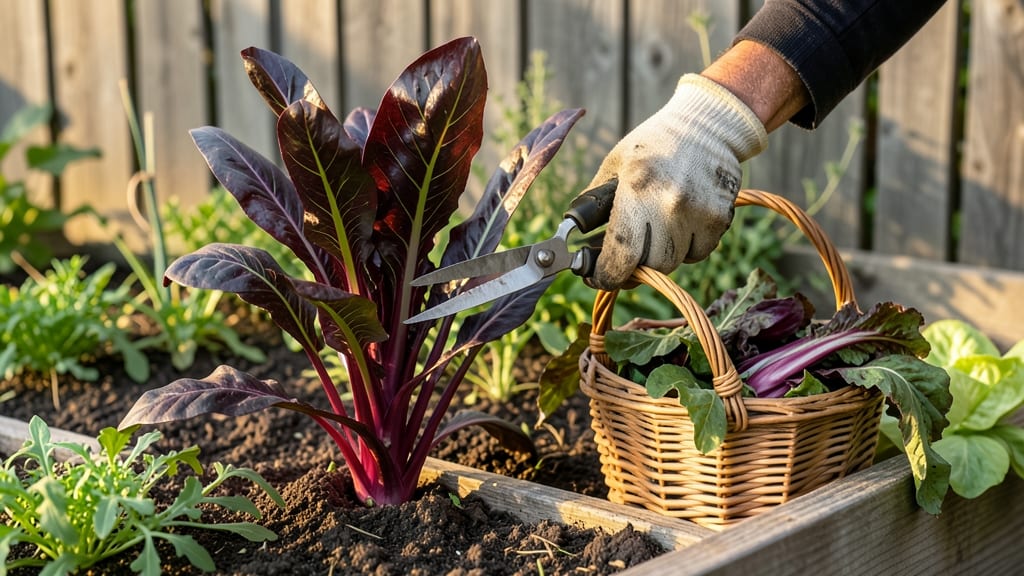
Harvesting chicory at the right time means the difference between a crisp, bitter-sweet salad and tough, overgrown leaves you’ll regret picking.
Picture this: you’ve nurtured your 🌱 chicory for weeks, only to pull a leaf that’s either still too small or so bitter it ruins your dish. The key? A simple leaf rub test that tells you exactly when to cut—before the plant bolts or the flavor turns harsh.
In USDA Zone 6a, timing matters most in spring (May–June) and fall (October–November). But even the calendar isn’t enough—you’ll need to check leaf size, texture, and that all-important bitterness level to nail the perfect harvest window.
Below, I’ll walk you through the foolproof signs to look for, when to avoid harvesting (like after a frost), and how to keep your chicory tasting fresh and vibrant—no guesswork required.


How to perform the chicory leaf rub test for optimal harvest timing
Harvesting chicory at the perfect moment transforms its crisp texture and balanced bitterness into a culinary delight. The leaf rub test is my go-to method for determining when leaves are tender enough to eat but still packed with that signature earthy flavor.
This simple sensory trick saves you from harvesting too early (when leaves are bland) or too late (when they become overly bitter and tough).
Timing is everything with chicory. Aim for plants that are 3-5 inches tall, typically 6-8 weeks after sowing, but don’t rely solely on time—use the leaf rub test to confirm readiness.
The ideal harvest window occurs when outer leaves are fully developed but still pliable, and inner leaves remain tender. Morning harvests yield the crispest leaves, as evening heat can make them wilt faster.
Before you begin, gather your tools: a sharp pair of pruning shears, a small bowl for harvested leaves, and a sunny spot to work. Choose a clear morning after any overnight dew has dried, as moisture can affect your ability to feel leaf texture accurately.
Work with the outermost leaves first, as these mature first and give you the best indication of overall plant readiness.
Step-by-Step Leaf Rub Test
- 1 Select the largest outer leaf from the plant’s base. This leaf is typically the most mature and will give you the clearest indication of overall readiness.
- 2 Rub the leaf between your fingers using a gentle, circular motion. Pay attention to the texture and resistance—this is your first clue about tenderness.
- 3 Assess the "give"—if the leaf feels slightly springy but yields under pressure, it’s ready. Too much resistance means it’s still tough; too little means it’s overripe and bitter.
- 4 Check the leaf’s thickness. Ideal leaves should be 1/8 to 1/4 inch thick. Thinner leaves are too young; thicker leaves are past their prime.
- 5 Taste test (optional but recommended). If you’re unsure, nibble a small piece of the leaf. The perfect balance is a crisp bite with mild bitterness, not overwhelming harshness.
- 6 Harvest the entire plant or cut leaves at the base if you prefer to let the plant regrow. For continuous harvests, leave the inner leaves to mature while removing outer leaves.
If your chicory leaves pass the rub test but still feel slightly tough, they may need 24 more hours of sunlight to soften. Conversely, if they’re too tender, wait 3-5 days before retesting. Remember, chicory’s bitterness peaks as it matures, so harvest frequently to maintain that ideal bitter-sweet balance.
For curly-end chicory varieties, focus on harvesting the outer curly leaves first—they’re the most mature and will give you the best flavor.
If you’re growing radicchio or Belgian endive, wait until the heads are fully formed but still firm to the touch, as these varieties are harvested later in their growth cycle. Always use clean, sharp scissors to avoid damaging the plant.
Pro tip: Store harvested chicory in a perforated plastic bag in the fridge for up to 5 days. To extend freshness, wrap leaves in a damp paper towel before sealing.
This mimics the plant’s natural moisture levels and keeps them crisp for longer. Avoid washing leaves until just before use, as excess moisture speeds up spoilage.
Mastering the leaf rub test ensures you’ll always harvest chicory at its peak—crisp, flavorful, and perfectly balanced. Once you get the hang of it, you’ll never second-guess your timing again, and your salads, soups, or sautéed greens will thank you for the extra care. Happy harvesting!
Chicory harvesting mistakes that ruin flavor and texture
Harvesting chicory at the wrong time can turn your crisp, flavorful greens into tough, bitter disappointment. The perfect harvest window is narrow—just 6-8 weeks after sowing—but missing it by days can make all the difference.
I’ve learned the hard way that over-mature leaves taste like cardboard, while underdeveloped ones lack the satisfying crunch.
Even experienced gardeners often misjudge when to harvest chicory. They might pluck leaves too early, leaving the plant stunted, or wait too long, triggering that bitter compound that makes chicory taste like medicine.
The key is balancing leaf size (6-12 inches tall) with tenderness—a trick I’ll share in a moment.
Chicory leaves develop sesquiterpene lactones as they mature, turning them bitter. Harvest when leaves reach 6-12 inches and perform the leaf rub test: rub two leaves between your fingers. If they feel slightly gritty but not fibrous, they’re perfect. Wait longer, and you’ll regret it—bitterness peaks at 90+ days.
Another common mistake is harvesting the wrong leaves. Always cut the outer leaves first—they’re larger and more mature, leaving the inner leaves to grow. I once stripped an entire plant bare by grabbing the tender center leaves, and it took weeks for the chicory to recover.
Think of it like pruning a bush: you want to encourage new growth, not shock the plant.
If you’ve already over-harvested, don’t panic. Chicory is resilient! Trim the plant back by half its height and give it 2-3 weeks to regrow. Keep the soil moist but not soggy and avoid fertilizing until new leaves emerge.
I’ve salvaged multiple crops this way, even after a careless first harvest.
Timing also matters based on your climate zone. In cooler regions (USDA Zone 6a), aim for spring harvests (May-June) when nights are still chilly. Warmer zones can extend into fall (October-November), but avoid harvesting before the first frost—frost damages leaves and makes them limp.
Always harvest in the morning for the crispest texture.
Remember, chicory’s bitterness is part of its charm—but only in the right amounts. Master these timing tricks, and you’ll enjoy crisp, flavorful leaves all season long. Now, go test those leaves between your fingers—your taste buds will thank you! 🌿