
How To
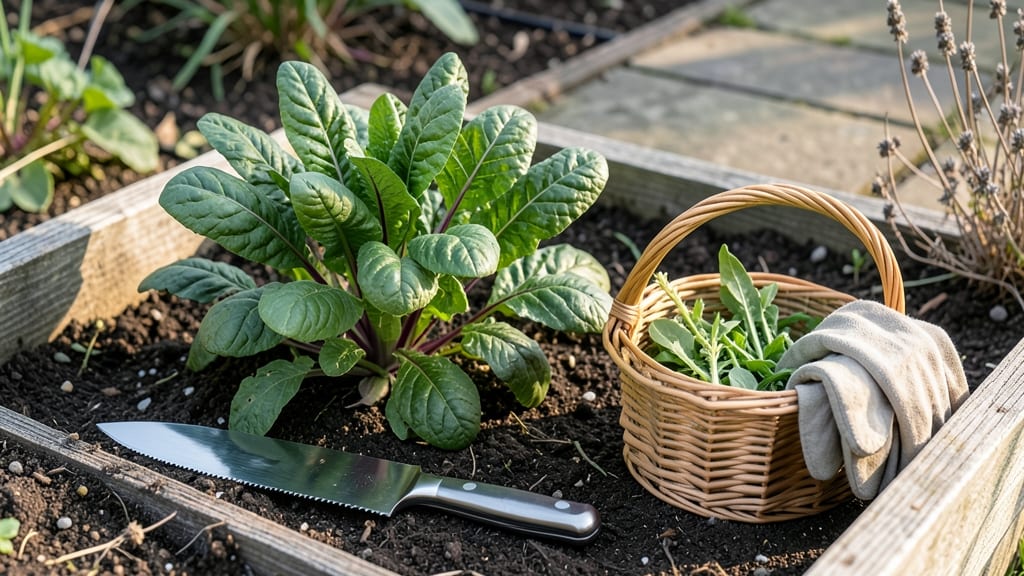
Harvesting mustard greens at the right time ensures peak flavor and tenderness 🌱 — and missing that window means tough, bitter leaves or wasted effort.
Mustard greens are one of the fastest-growing edible plants, but harvesting too early or too late can ruin their flavor and texture—here’s how to spot the perfect moment.
Look for leaves that are 4-6 inches long, deep green (or tinged with purple/red), and crisp to the touch. The stem should snap easily when bent, not feel woody.
Below, I’ll break down the exact signs to watch for, how to test for readiness, and what to do if you wait too long—so you never end up with a bowl of tough greens again.


How leaf color shift signals mustard greens harvest readiness
Mustard greens are a gardener’s reward for patience, but their leaf color changes dramatically as they mature—each shade revealing a different stage of flavor and tenderness. The shift from bright green to deep purple or red isn’t just visual; it’s a direct indicator of when to harvest for peak quality.
Understanding these color cues helps you avoid the two biggest mistakes: harvesting too early (when leaves are bitter) or too late (when stems turn woody).
Most home gardeners focus on leaf size, but color intensity is equally critical. For example, Southern Giant Curled varieties develop a vibrant purple-red hue along the veins when ready, while Red Giant types deepen to a rich burgundy.
These color shifts signal that the leaves have reached their sweetest, most tender state, with sugars fully developed. Ignoring these visual cues often leads to disappointment—either in flavor or texture.
Here’s the color-to-harvest guide you need, broken down by leaf shade and what it means for your mustard greens:
| Leaf Color | Flavor Profile | Tenderness | Harvest Action |
|---|---|---|---|
| Bright Green | Mild, slightly bitter | Crisp but young | Wait 5–7 days |
| Deep Green | Balanced, sweet | Ideal tenderness | Harvest now! |
| Purple/Red Veins | Rich, slightly spicy | Still tender | Harvest within 2 days |
| Fully Purple/Red | Bold, peppery | Slightly tougher | Harvest immediately |
| Yellowing Edges | Bitter, overmature | Woody stems | Discard or compost |
The deep green stage is your sweet spot for most varieties like Tendergreen or Florida Broadleaf. At this point, the leaves are fully developed but haven’t started converting sugars into tougher fibers.
If you’re growing Red Giant or Southern Giant Curled, wait until you see purple or red hues—these varieties actually improve in flavor as they develop color, but only up to a point.
Pro tip: Check the underside of leaves for color changes first. The veins often shift color 24–48 hours before the leaf surface, giving you an early warning. For example, Mizuna varieties show delicate red streaks along the stems before the leaves turn, while Tokyo Bekana develops a uniform burgundy tint.
Paying attention to these subtle clues helps you time your harvest perfectly.
Regional growing conditions also affect leaf color. In cooler climates (USDA Zones 3–5), mustard greens may develop darker purples faster due to shorter daylight hours, while warmer zones (6–8) produce more green-leafed varieties with slower color shifts.
If you’re in a hotter region, shade cloth can help slow down maturation and preserve that ideal deep green longer.
One common mistake is assuming all mustard greens follow the same color-to-harvest timeline. Leafy varieties like Tendergreen are best harvested when leaves reach 4–6 inches and are deep green, while baby leaf mixes (e.g., Mizuna) can be picked when they’re just 2–3 inches but already showing red or purple tips.
Always refer to your seed packet for variety-specific guidance, but use leaf color as your final check.
Harvesting at the right color stage also preserves the nutrient density of your greens. Research shows that deep green leaves contain higher levels of vitamin K and folate, while purple-red varieties boost anthocyanin antioxidants.
So, not only does timing affect taste, but it also maximizes the health benefits of your homegrown harvest. Store your freshly picked greens in the fridge for up to 5 days to maintain color and crispness.
Next time you’re tempted to harvest based on leaf size alone, take a closer look at the color gradients. Your mustard greens are essentially sending you a visual harvest alert—all you need to do is listen.
With practice, you’ll spot the perfect shade in seconds, ensuring every bite is as flavorful as it is tender. 🌿
The stem toughness test: why it’s the ultimate harvest check
Harvesting mustard greens at the right time ensures peak flavor and texture. While leaf color is a key indicator, the stem toughness test is my foolproof way to confirm readiness.
This simple method helps you avoid two common mistakes: harvesting too early (when leaves taste bitter) or too late (when stems become woody and tough).
Start by selecting the largest, outermost leaves for testing. These are typically the first to mature. Gently pinch the stem between your thumb and forefinger—this is where most gardeners miss the mark. The right amount of resistance tells you whether your greens are perfect for picking.
⚠️ callout warning ⚠️
If stems feel hard and woody, your mustard greens have passed their prime. Woody stems indicate the plant is shifting energy to flowering, which makes leaves bitter and fibrous. Harvest immediately if you see yellowing leaves or bolted stalks—these are signs of over-maturity.
For the perfect harvest, stems should feel slightly firm but yield easily when pinched. Think of it like testing a ripe avocado—just enough give without being mushy. If the stem snaps cleanly with minimal force, it's time to harvest. This usually happens when leaves reach 4-6 inches long and form a tight rosette.
I recommend testing stems in the morning after watering. Plants are most hydrated then, making the test more accurate. Avoid testing after heavy rain or when soil is dry, as both conditions can skew results.
Pro tip: Use a pair of clean, sharp scissors to cut stems at the base—this prevents damage to the plant and encourages regrowth.
If your stems feel too soft, your greens are under-mature. Wait 2-3 more days and retest. Under-mature leaves often have a peppery, bitter taste that improves as they mature.
On the flip side, if stems feel rock-hard, the plant is bolting. In this case, harvest what you can and compost the rest—bolted mustard greens won't improve with time.
Practice this test on a few leaves before committing to a full harvest. With experience, you'll develop a feel for the perfect stem resistance, ensuring your mustard greens are always at their best. Once you master it, you'll never second-guess harvest timing again! ✂️🌿