
How To
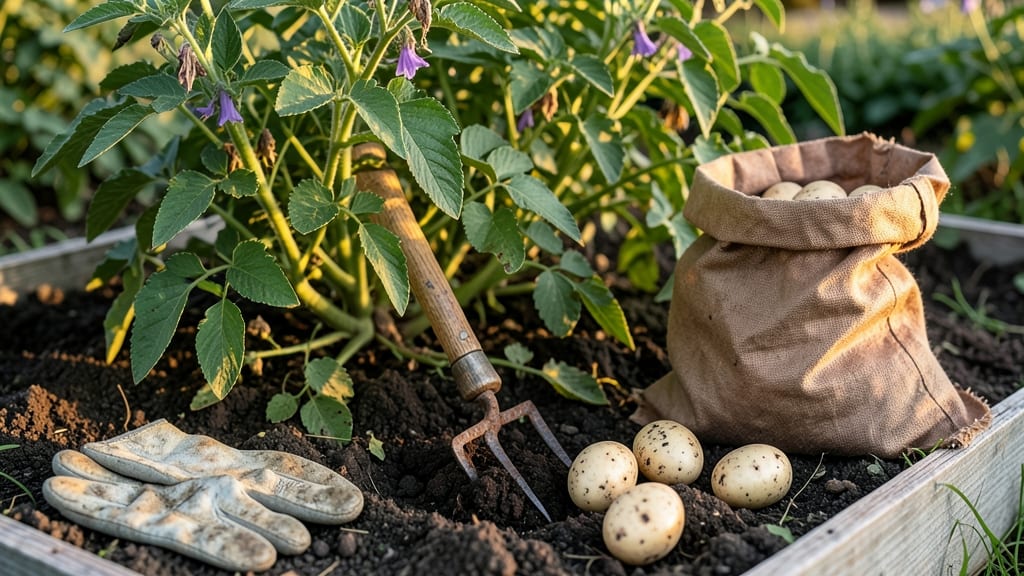
Harvesting potatoes in Missouri at the right time means the difference between a bountiful fall haul and a shriveled mess left in the ground.
Missouri’s unpredictable spring and summer weather can make potato harvesting tricky—plant too late, and you risk frost; harvest too early, and you lose flavor and yield. Timing your harvest based on soil temperature and leaf signals is the key to digging up perfect potatoes every season.
In this guide, I’ll walk you through the exact soil temp triggers for both new and mature potatoes, plus the leaf and plant signals that tell you it’s time to grab your fork. We’ll also cover Missouri-specific mistakes to avoid, like harvesting after frost or ignoring tuber size.
By the end, you’ll know when to pull those spuds so they’re firm, flavorful, and ready for storage—no guesswork required.


Missouri soil temperature guidelines for perfect potato harvest timing
Timing your potato harvest based on soil temperature is crucial in Missouri, where spring and fall weather shifts quickly. Unlike many vegetables, potatoes thrive best when harvested at specific temperature ranges—55°F to 65°F for optimal flavor and texture.
Understanding these ranges helps you avoid common mistakes like harvesting too early (small, starchy tubers) or too late (frost damage or rot). Missouri’s USDA Zones 5b-6b mean you’ll need to adjust timing based on your specific region’s frost dates.
For new potatoes (harvested young), aim for soil temperatures between 55°F and 60°F. These smaller tubers form quickly when the soil warms but hasn’t peaked in summer heat. In Missouri, this typically aligns with late May to early June, depending on your planting date.
For mature potatoes, wait until soil temperatures drop to 60°F–65°F—usually late September to early October—to ensure full flavor development and thicker skins.
Missouri’s clay-heavy soils can retain heat longer than sandy soils, so always test your specific plot. A simple soil thermometer (inserted 6 inches deep) gives accurate readings. If your soil runs hotter than 70°F, potatoes may develop greening (toxic solanine) or split skins.
In humid Missouri summers, mulch with straw to regulate temperature and moisture.
Here’s how Missouri’s regional climate variations affect timing:
- Northern Missouri (Zone 5b): Harvest mature potatoes by mid-October to avoid early frost.
- Central Missouri (Zone 6a): You have until late October for mature harvests.
- Southern Missouri (Zone 6b):** Extend harvests into early November in sheltered microclimates.
🌱
Testing soil temperature accurately is easier than you think. Use a digital soil thermometer (like the AcuRite model) for precise readings. Insert it 6 inches deep—the depth where most potato tubers form—and leave it for 10 minutes to stabilize.
In Missouri’s heat, check temperatures early morning (before 9 AM) for the most reliable data. If your soil is above 70°F, delay harvesting to prevent solanine buildup (toxic green patches on tubers).
Missouri gardeners often struggle with clay soil, which heats up faster than sandy soils. To mitigate this, plant potatoes in raised beds or amend your soil with compost to improve drainage.
If you’re unsure about your soil’s heat retention, conduct a test harvest: dig up one tuber from a non-flowering plant (smaller tubers form before flowering). If it’s firm and 2+ inches wide, your soil is likely at the right temperature for new potatoes.
For late-season harvests, prioritize disease-resistant varieties like Yukon Gold or Red LaSoda, which handle Missouri’s humidity better. If frost threatens before you’re ready, cover plants with row fabric to protect foliage while allowing tubers to mature.
Once frost hits, harvest immediately—even if tubers aren’t fully mature—to salvage your crop. Store them in a cool, dark place (50°F–55°F) to finish curing.
Pro tip: Keep a harvest journal to track soil temperatures and timing across seasons. Note when your local first frost occurs and adjust planting dates accordingly.
In Missouri, early varieties (like Early Girl) mature faster (70–90 days) and are safer bets for northern regions, while late varieties (like Kennebec) can handle longer growing seasons in southern Missouri.
🌡️
Leaf and plant signals that your Missouri potatoes are ready to dig
Your potatoes in Missouri send clear visual signals when they're ready to harvest, but misreading these cues can mean wasted yield or poor storage quality. Missouri’s humid summers and early fall frosts add complexity—learning to distinguish between maturity signs and disease stress is essential for success.
For new potatoes, focus on tuber size and leaf color, while mature potatoes require foliage dieback and skin toughening.
I’ve grown potatoes in Missouri for years, and I’ll share how to tell the difference between a ready-to-harvest plant and one suffering from late blight or potato scab—common Missouri pests that mimic maturity.
- 1. Flowering Stage: New potatoes can be harvested when flowers appear (typically 45–60 days after planting). For mature varieties, wait until 70–90 days—even if flowers bloom early.
- 2. Foliage Yellowing: 75% of leaves turning yellow-brown signals maturity. Missouri’s early frosts can accelerate this—harvest before full dieback to avoid tuber damage.
- 3. Vine Dieback: When stems collapse and leaves crisp, tubers are fully formed. Late blight (common in Missouri) causes similar wilting—check for dark spots on leaves to confirm.
- 4. Skin Toughness: Gently squeeze a tuber through soil—if the skin resists pressure, it’s ready. Soft or green-skinned potatoes need more time (or risk scab from dry soil).
- 5. Tuber Size: New potatoes are 3–4 inches wide; mature potatoes reach 5+ inches. Dig a test sample to avoid overcrowding tubers.
Missouri’s clay-heavy soils can delay maturity, so don’t rush—wait until soil temps drop below 60°F (late September) for final harvests. Early varieties like Yukon Gold may signal readiness in August, while late varieties like Russet need until October.
Pro tip: Dig at least 2–3 tubers from different plants to test readiness. Green tubers (from excess sunlight) or shriveled skins (from drought) mean your potatoes aren’t fully mature—wait another 1–2 weeks.
If your potato leaves yellow suddenly but tubers feel small, it could be verticillium wilt (a Missouri soil-borne disease). Dig immediately to salvage what you can, as affected tubers won’t store well. Healthy maturity means firm tubers with thick skins—no give when pressed.
Once you’ve confirmed readiness, harvest on a dry, sunny day to let tubers cure quickly. Store in a cool, dark place (50–60°F) with good airflow to prevent rot—a common issue in Missouri’s humid fall. 🥔