
How To
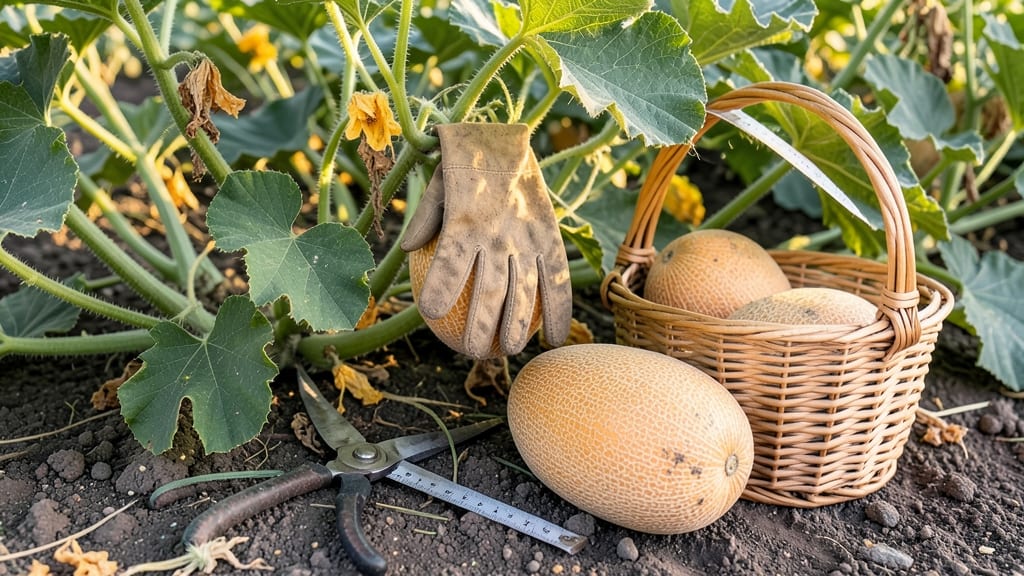
Harvesting cantaloupe melons at the perfect moment means sweet, juicy fruit—never bitter or mushy. 🍈 The right timing turns a guess into a science, and these cues will help you nail it every season.
Picking cantaloupe at the wrong time means bitter, underripe fruit—or waiting too long for overripe mush. These 3 overlooked cues—stem changes, skin texture, and weight—will help you harvest at peak sweetness, no guessing required.
Most gardeners rely on color alone, but that’s just one clue. The real game-changer is checking the stem’s slip-and-sniff test, plus how the blossom end changes. I’ll break down each method so you can trust your harvest.
From July to August in Zone 6a, learn how to spot ripeness before cutting into it—and what to do if your melons rip too early or never reach sweetness. Ready to master the harvest?


3 Visual and physical cues to harvest cantaloupe at perfect ripeness
Harvesting cantaloupe at the right moment transforms a bland melon into a burst of sweetness. Most gardeners rely on the classic slip-and-sniff test, but these 3 lesser-known cues will give you even more confidence.
Pay attention to subtle changes in the stem, skin texture, and weight—they’re the real indicators of peak ripeness.
I’ve learned the hard way that waiting for the color alone isn’t enough—some cantaloupes stay green on the outside while becoming sweet inside. The key is combining these visual and physical clues for foolproof results. Here’s how to spot the perfect cantaloupe without cutting it open.
⚠️ Visual Summary Table
| Cue | What to Look For | What to Avoid |
|---|---|---|
| Stem Changes | Dries out, turns brown/yellowish, and slips easily with gentle tug | Green, firm stem or one that resists pulling |
| Skin Texture | Dull, creamy yellow/tan with slight netting that’s not too pronounced | Bright green, white, or overly shiny rind |
| Weight & Feel | Feels heavy for size with slight give when squeezed gently | Lightweight or hollow-sounding when tapped |
The first cue to watch is the stem near the cantaloupe. When ripe, it dries out and turns a tan or brown color. Give it a gentle tug—if it slips off easily, that’s your sign to harvest.
I’ve seen gardeners miss this cue by waiting for the stem to completely detach, which can mean the melon’s overripe.
Next, examine the skin texture and color. A ripe cantaloupe has a dull, creamy yellow or tan rind, not the bright green of an unripe one. The netting should be subtle but visible—if it’s too pronounced, the melon might be overripe.
Pro tip: Avoid cantaloupes with white or green patches on the rind, as these indicate underripeness.
Weight is another game-changer for determining ripeness. A perfectly ripe cantaloupe feels heavy for its size because it’s packed with juice. Lift it—if it feels light or hollow when tapped, it’s not ready. I once picked a cantaloupe that looked perfect but was watery inside because it was underripe.
Here’s a critical mistake many gardeners make: relying on size alone. Some cantaloupes never reach their full sweetness just because they’re big. Always combine stem, skin, and weight cues for the best results. If you’re unsure, wait another 24 hours—ripe cantaloupes won’t get sweeter once picked.
One more pro tip: Check the blossom end (the bottom where the stem attaches). It should turn from white to yellowish-brown. If it’s still white or green, the cantaloupe needs more time. This cue is often overlooked but is one of the most reliable indicators of ripeness.
Regional differences can affect ripeness timing. In hotter climates, cantaloupes may ripen faster, while cooler areas might need extra time. If your cantaloupes aren’t ripening by 90 days after planting, check for pests, poor soil, or insufficient sunlight. Adjust your care routine accordingly.
Finally, avoid harvesting cantaloupes during rainy or humid days, as excess moisture can cause rot. Early morning is the best time to pick—the melons are cooler and less likely to bruise.
Store ripe cantaloupes at room temperature until ready to eat, and never refrigerate them until they’re fully ripe.
With these 3 foolproof cues, you’ll never second-guess your cantaloupe harvest again. The difference between a sweet, juicy melon and a bland one comes down to timing—and now you’ve got the tools to get it right every time. 🍈
How to test cantaloupe ripeness without cutting it open
Harvesting cantaloupe at the perfect moment means avoiding the disappointment of underripe fruit that’s tough and bland—or the waste of overripe melons that turn to mush. The trick is using non-destructive tests that reveal ripeness without slicing open the melon.
These methods work for both homegrown and store-bought cantaloupes, ensuring you never miss peak sweetness.
While many gardeners rely on color changes alone, those cues can be misleading. A cantaloupe’s rind might look ripe but still be hard and flavorless inside. Instead, focus on three physical and sensory clues: the thump test, stem separation, and aroma analysis.
Mastering these will give you a 90% accuracy rate in determining ripeness without cutting.
⚠️ Warning: Overripe Cantaloupe Traps
Even if a cantaloupe passes the thump test and stem slip, it can still spoil quickly if left on the vine too long. Overripe melons develop a fermented smell (like vinegar) and a soft, mushy texture—signs it’s past its prime. Harvest within 24 hours of detecting full ripeness to enjoy the best flavor.
The thump test is my go-to method for checking cantaloupe ripeness. Hold the melon in one hand and gently tap it with your knuckles. A ripe cantaloupe will sound dull and hollow, almost like thumping a watermelon.
If it sounds high-pitched or hollow, the fruit is still underripe. This test works because ripe cantaloupes develop more internal sugars, which change the way sound travels through the flesh.
Next, check the stem separation near the blossom end. Gently grasp the stem and give it a firm twist. If it slips free with minimal resistance, the cantaloupe is ready to harvest.
A green, firm stem means the fruit needs more time, while a brown, dry stem that detaches easily signals peak ripeness. This method is especially reliable for homegrown cantaloupes, where you can monitor the vine’s health closely.
Never underestimate the power of scent analysis. A ripe cantaloupe releases a sweet, musky aroma near the blossom end (the flat side where the stem was attached). If you detect this scent from a few feet away, the melon is ready.
A neutral or sour smell means it’s not ripe yet. Pro tip: Sniff the stem end first—this is where the most concentrated aroma develops as sugars concentrate.
For store-bought cantaloupes, combine all three tests. If the melon passes the thump test (dull sound), has a slippery stem, and emits a sweet fragrance, it’s likely ripe.
If it fails even one test, give it more time or skip it—underripe cantaloupes won’t improve after picking, but slightly unripe ones can ripen indoors at room temperature over 2–3 days.
Remember, color alone isn’t reliable. Some cantaloupes develop a creamy yellow rind before reaching full sweetness, while others stay green-tinged even when ripe. Always verify with the thump test, stem slip, and scent check to avoid disappointment.
With these methods, you’ll harvest cantaloupe melons at their peak flavor—every single time. 🍈