
Vegetables
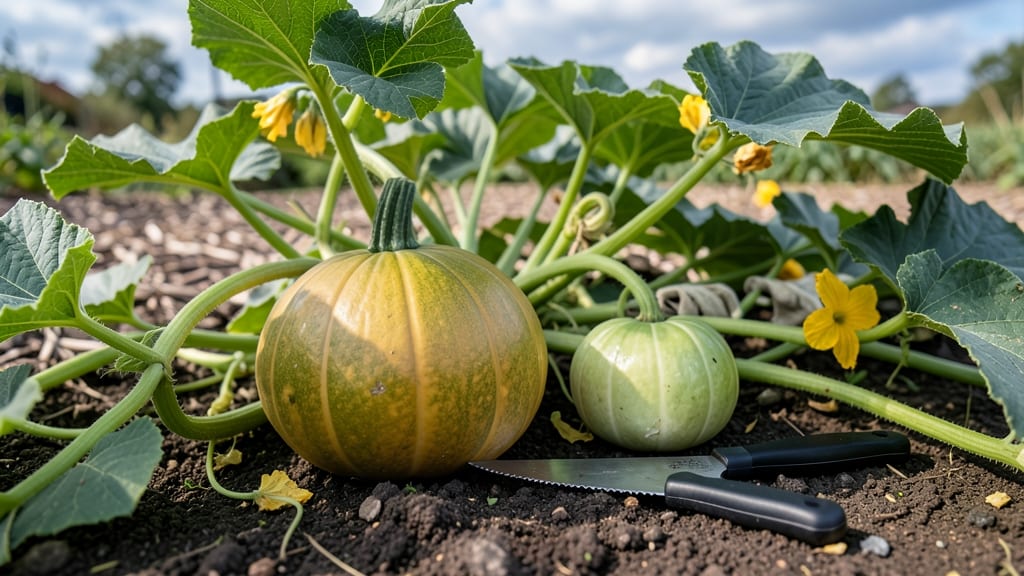
Harvest buttercup squash when the skin turns a deep, golden yellow 🎃 and feels firm to the touch, usually 60 to 75 days after flowering.
Picture this: you’ve been waiting months for that first perfect squash, only to pick it too soon and end up with bland, starchy flesh that won’t store well. Or worse, you leave it on the vine too long, and frost turns your prize into a mushy mess.
The difference between a flavor-packed harvest and a disappointing one often comes down to those few days—or even hours—when timing is everything.
Buttercup squash thrives in late summer to early fall, but knowing exactly when to pull it is an art. Too early, and the seeds inside are still hard and underdeveloped. Too late, and the skin toughens, while the flesh loses its natural sweetness.
Below, I’ll walk you through the three tactile tests that take the guesswork out of harvesting—so you’re left with squash that’s sweet, storable, and ready for the kitchen.
You’ll also discover how to extend that harvest window, spot the signs of overripe (or underripe) squash, and store your bounty for months—without it turning to mush. Let’s get started.
3 Tactile tests to determine buttercup squash ripeness
Harvesting buttercup squash at the perfect moment means the difference between a sweet, flavorful harvest and a bland or overly mature one. Unlike some squash varieties, buttercups don’t ripen off the vine, so timing is everything.
I’ve learned through trial and error that relying on days-to-maturity alone isn’t enough—you need to feel, see, and touch your squash to know it’s ready. These three simple tactile tests will help you nail the harvest window every time.
First, let’s talk about why these tests matter. Buttercup squash reaches its peak sweetness when fully mature but hasn’t yet started to break down. Overripe squash becomes tough and stringy, while underripe ones lack flavor and store poorly.
The good news? These tests take less than a minute each and require no special tools—just your hands and eyes. I’ll walk you through each one, including what to look for and what to avoid.
- 1 Firmness Test: Press your thumbnail into the squash skin. If it resists slightly but leaves a faint indentation, it’s ready. Avoid pressing too hard—soft spots mean it’s overripe.
- 2 Color Check: Look for a deep yellow hue with no green patches. The skin should be consistent in color—uneven tones mean uneven ripeness. A pale yellow? It’s not ready yet.
- 3 Stem Shrivel: Check the stem end near the blossom. If it’s drying out or slightly shrunken, the squash is primed for harvest. A plump, green stem means it needs more time.
Let’s start with the firmness test, my go-to method for determining ripeness. Gently press your thumbnail into the squash’s skin near the equator. If the skin resists slightly but gives way just enough to leave a faint mark, your squash is ready.
This test tells you whether the flesh is fully developed but still tender. I’ve made the mistake of harvesting squash that felt too soft—those turned out mealy and lost flavor quickly. On the flip side, squash that’s too hard often lacks sweetness. Aim for that just-right firmness like Goldilocks!
The color check is your visual cue, and it’s easier than you might think. Mature buttercup squash should be a rich, golden yellow all over, with no green patches. I once picked a squash with a few green spots, thinking it was almost there—big mistake!
Those spots meant it wasn’t fully ripened, and the flavor was disappointingly mild. If your squash still has green areas, give it another week or two. Pro tip: Check the color in natural light, not under artificial lighting, which can skew perceptions.
Don’t overlook the stem shrivel test, which is often the most reliable indicator. The stem end near where the blossom was should start to dry out and shrink. This happens as the squash matures and stops drawing nutrients from the vine.
If the stem is still plump and green, the squash needs more time. I’ve seen gardeners ignore this sign and end up with squash that’s tough and stringy. Pay attention to this detail—it’s nature’s way of telling you it’s harvest time!
Now, let’s talk about common mistakes that can ruin your harvest. One big error is waiting too long because you’re unsure. Overripe buttercup squash becomes woody and fibrous, making it less enjoyable to eat. On the other hand, harvesting too early results in underdeveloped flavor and poor storage life.
Both extremes are frustrating, but the tactile tests above will help you avoid them. Another mistake? Harvesting in wet or rainy conditions. Wet squash is more prone to rot, so always pick on a dry day.
Here’s a pro tip I picked up from a local farmer: Harvest in the morning. The cooler temperatures help preserve the squash’s freshness, and the skin is less likely to be damp from dew. Plus, morning harvests mean you can enjoy your squash at its peak flavor right away.
I’ve also found that using a sharp knife or pruners to cut the squash from the vine—rather than twisting it off—prevents damage to the stem end, which can lead to spoilage.
Once you’ve confirmed ripeness using these tests, it’s time to store your buttercup squash properly. Unlike some winter squash, buttercups don’t store as long, so aim to use them within 2-3 months. Store them in a cool, dry place with good airflow, like a pantry or basement.
Avoid refrigerating until you’re ready to use them, as cold temperatures can turn the flesh mealy. If you’re not sure whether your squash is ready, err on the side of waiting—underripe squash tastes better after a few days of curing at room temperature.
Final thought: Trust your senses. Gardening is as much about intuition as it is about rules. If your squash passes all three tests—firmness, color, and stem shrivel—it’s ready. And if you’re still unsure, go ahead and taste a small piece.
That’s the best test of all! With these tactile tests, you’ll be harvesting buttercup squash at its peak sweetness every season. Happy harvesting! 🎃
How buttercup squash sweetness changes after harvest
Harvesting your buttercup squash at the perfect moment unlocks its full sweet, nutty flavor, but what happens after you pick it? The post-harvest journey transforms your squash into either a flavorful treasure or a starchy disappointment.
Understanding the science behind these changes helps you store your harvest like a pro.
Once harvested, buttercup squash continues a natural process called ripening. Unlike some fruits, squash doesn’t sweeten significantly after picking, but improper storage can trigger starch conversion or spoilage. The key is controlling temperature and humidity to preserve that just-harvested sweetness you worked so hard to achieve.
| Factor | Ideal Condition | Why It Matters |
|---|---|---|
| Temperature | 50-55°F (10-13°C) | Slows starch breakdown, preserves sweetness |
| Humidity | 50-70% | Prevents dehydration, maintains firmness |
| Storage Location | Cool, dark place (not fridge) | Avoids moisture loss and rot |
| Lifespan | 2-3 months | Proper conditions extend freshness |
If stored correctly, your buttercup squash will maintain its natural sugars and tender texture for weeks. But here’s the catch: temperatures above 60°F (15°C) accelerate starch conversion, making the flesh grainy and less sweet.
Meanwhile, too much humidity can encourage rot, while dry air causes wrinkling and flavor loss.
For best results, cure your squash first by placing it in a warm (80-85°F/27-29°C), humid (80%) spot for 10 days. This hardens the skin and concentrates flavors. After curing, move to your cool storage zone—a basement or pantry works perfectly.
Avoid refrigeration unless you plan to eat it within 2 weeks, as cold temperatures break down cell walls and dull sweetness.
Watch for these red flags: soft spots, mold, or a musty smell mean your squash has spoiled. Even with perfect storage, buttercup squash won’t last forever—typically 2-3 months. But with the right conditions, you’ll enjoy that just-harvested taste long after summer fades.
Pro tip: Group squash with apples or potatoes in storage—they release ethylene gas, which can speed up ripening. But monitor closely to prevent over-ripening. Your goal is to preserve sweetness, not trigger spoilage.