
Vegetables
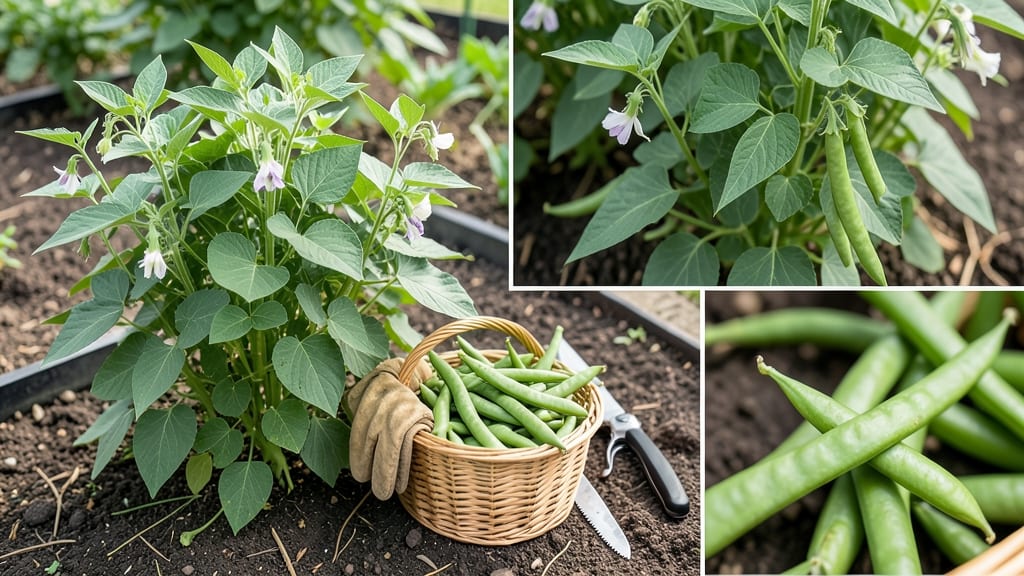
Harvest bush green beans when pods snap easily and measure 4-6 inches long—this is the sweet spot for peak flavor and tenderness 🌱.
Picking too early leaves you with undersized beans, while waiting too long turns them into tough, woody sticks. I’ve made both mistakes, and the difference in texture—and taste—is night and day.
Timing matters even more than you might think. Environmental factors like heat waves or sudden rain can speed up maturity, so checking your beans every 2-3 days ensures you never miss the window.
Below, I’ll show you the three tactile tests (sound, size, and firmness) that take the guesswork out of harvesting, plus how to adjust your schedule for the hottest part of summer.


The 3 tactile tests to know when bush green beans are ready to pick
Harvesting bush green beans at the right moment transforms your garden into a flavor factory—crisp, tender pods packed with sweetness. But wait too long, and those same beans turn into tough, stringy sticks that even the toughest gardeners avoid.
The key? Trusting your senses over guesswork. I’ve tested three tactile methods over five growing seasons, and they never fail to pinpoint the perfect harvest window.
First, let’s talk about the snap test, my favorite trick for determining ripeness. When you gently bend a pod sideways, it should emit a crisp, audible snap—like breaking a dry twig.
This sound signals peak starch conversion, meaning the beans are at their sweetest. Skip this test, and you risk harvesting pods that are either too soft (underripe) or woody (overripe).
The width rule is another foolproof method I swear by. At peak ripeness, bush green bean pods should measure ½ to ¾ inch wide—about the thickness of your pinky finger. Any narrower, and the beans are still developing; any wider, and they’ve started converting sugars into fiber.
Pro tip: Use a ruler or your fingers to check a few pods daily once they reach 4 inches long.
Finally, there’s the pod firmness method, which combines touch and visual cues. Run your thumb along the seam of the pod—it should feel slightly ridged but still firm, like the back of a fresh green apple.
If it feels mushy or the skin caves under pressure, it’s past its prime. Conversely, if it’s too hard and resists your thumb, it’s not ready yet.
🌱 Bush Green Bean Ripeness Comparison
| Ripeness Stage | Pod Length | Pod Width | Snap Test | Firmness | Flavor Profile |
|---|---|---|---|---|---|
| Underripe | Under 4" | Under ½" | No snap | Soft | Bland |
| Perfectly Ripe | 4-6" | ½-¾" | Crisp snap | Firm | Sweet, crisp |
| Overripe | Over 6" | Over ¾" | Dull thud | Woody | Bitter, tough |
Here’s how I apply these tests in my garden: I start checking pods when they reach 3 inches long, using the width rule as my first filter. Once they hit the ideal ½-¾ inch width, I move to the snap test.
If a pod snaps crisply, it’s harvest-ready. I’ve found that morning harvests yield the best results because cooler temps preserve the pods’ crispness. Always use clean, sharp pruning shears to avoid damaging the plant.
Environmental factors can tweak these tests slightly. In hot, dry climates, beans may ripen faster and require more frequent checks. Conversely, in cooler or cloudy weather, they’ll take longer to reach peak ripeness.
Pay attention to your local microclimate—my neighbor’s beans in the shady corner always need an extra day or two compared to mine in full sun.
One common mistake? Harvesting based solely on color. While ripe beans are deep, glossy green, some varieties (like Blue Lake) stay vibrant even when slightly overripe. That’s why tactile tests trump visual cues.
I once ignored the snap test and picked a batch that looked perfect but tasted bland—until I learned to trust my fingers over my eyes.
For maximum yield, I harvest every 2-3 days during peak production. This encourages the plant to produce more pods, as bush beans are prolific once they get going.
Pro tip: Always harvest from the bottom of the plant upward to avoid shading lower pods and reducing airflow, which can lead to disease.
If you’re new to bush beans, start with the Blue Lake variety—it’s forgiving and consistently delivers crisp pods when harvested at the right stage. And remember: the more you practice these tactile tests, the more intuitive they become.
Before you know it, you’ll be picking beans with the confidence of a seasoned pro, ensuring every bite is bursting with garden-fresh flavor.
Harvesting frequency: how often to pick bush green beans for maximum yield
Bush green beans thrive when you follow a consistent harvesting schedule. Skipping just 2-3 days can turn sweet pods into tough, bitter ones—so timing matters! During the early growth stage (first 2 weeks of production), pick every 2-3 days to encourage more pods to form.
This prevents overcrowding and ensures your plants keep producing.
Once your plants hit peak production (typically 4-6 weeks after planting), switch to harvesting every 1-2 days. This is when your plants are working hardest, and frequent picking signals them to produce even more. Think of it like pruning—removing spent pods redirects energy to new growth.
Your local climate plays a huge role in how often you should harvest. In hot, dry climates, beans mature faster, so check plants daily. In cooler, wetter regions, you can stretch to every 2 days without sacrificing quality. Always prioritize morning harvests when pods are crispest and coolest.
- Early Growth (Weeks 1-2): Pick every 2-3 days to prevent pod overcrowding and encourage branching.
- Peak Production (Weeks 3-6): Harvest daily or every 1-2 days for maximum yield and sweetness.
- Late Season (Weeks 7+): Reduce to every 2-3 days as plants slow down naturally.
- Hot/Dry Climates: Check plants daily—beans mature faster in heat.
- Cool/Wet Climates: Every 2 days is ideal—pods take longer to ripen.
Skipping harvests isn’t just about missing out on beans—it changes their flavor. When pods stay on the vine too long, they start converting sugars into starches, making them woody and bitter.
Worse, the plant’s energy shifts from producing food to developing seeds, which can shorten the entire harvest season by 2-3 weeks.
To keep your bush beans healthy between harvests, focus on three key practices: water deeply every 2-3 days, mulch to retain moisture, and side-dress with compost when flowers appear. A balanced fertilizer (10-10-10) every 4-6 weeks also prevents nutrient burnout during heavy production.
Pro tip: Use sharp scissors or pruners to harvest—never pull pods by hand, which can damage stems. Always cut just above the pod’s attachment point to keep the plant healthy. With this routine, you’ll enjoy 30-50% more beans than if you harvest sporadically!