
How To
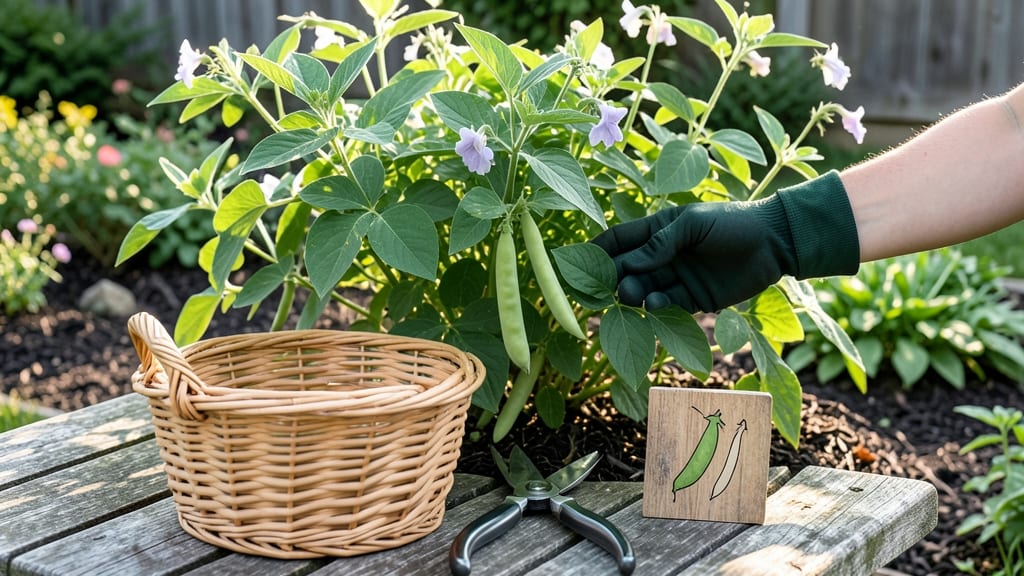
Harvest bush beans when pods reach 4-6 inches and snap crisply with a satisfying pop—this is the sweet spot between mealy and overmature.
Picking bush beans 🌱 at the wrong time can turn your harvest from crisp, sweet perfection into tough, stringy disappointment—here’s how to nail the timing with foolproof tactile tests every gardener should know.
Most varieties hit peak flavor in 50-65 days, but heat waves or cool snaps can speed up or slow down ripening. Check pods daily in Zone 6a during June-August, since waiting just a day past the ideal window means tougher beans and fewer future pods.
Below, I’ll show you three simple tests—pod size, seed visibility, and the "snap test"—to guarantee you’re harvesting at the moment beans are most tender, plus how to adjust for your local climate.


3 Tactile tests to determine when bush beans are ready for harvest
Nothing beats the satisfaction of plucking a perfectly ripe bush bean straight from the vine—crisp, tender, and bursting with flavor. But timing is everything.
Harvest too early, and you’ll miss out on that sweet peak; too late, and you’re left with woody, stringy pods that even a good recipe can’t save. The secret? Trust your hands and eyes with these three tactile tests that guarantee you’ll never miss the window again.
I’ve learned the hard way that pod size, seed development, and the snap test are the holy trinity of bush bean harvesting. Skip any of these, and you risk turning your garden’s bounty into a culinary misstep.
Let’s dive into how to use these simple but powerful methods to identify the perfect harvest moment every single time.
Compare pods to your thumb or index finger. Ideal beans should span 4-6 inches—about the length of your palm from wrist to fingertips. Smaller than 3 inches, and they’re still maturing; longer than 6 inches, and they’ve passed their prime.
Look inside the pod through the seam. At peak ripeness, seeds are visible but not bulging. If seeds are tiny or barely visible, wait a few days. If they’re large and rounded, the pod has overstayed its welcome.
Gently bend a pod sideways near the stem. If it snaps crisply with a satisfying crack, it’s ready to eat. A soft or spongy pod means it’s underripe; a dry, hollow sound signals it’s past its prime.
Let’s start with the most straightforward test: pod size comparison. I’ve found that using my hand as a reference tool takes the guesswork out of the equation.
Hold a pod next to your thumb and index finger—if it stretches from your wrist crease to your fingertips, you’re in the sweet spot. This 4-6 inch range is where bush beans hit their peak flavor and texture.
Smaller pods are still firming up, while larger ones start to develop woody fibers and lose their sweetness.
Next, pay attention to the seed development stage inside the pod. This is where many gardeners go wrong—they focus solely on size but ignore what’s happening internally.
Peek through the seam of the pod: if the seeds are just beginning to form and aren’t filling the pod, give it a few more days. But if the seeds are large and rounded, the pod has already started to dry out, and the beans will taste bitter.
Think of it like a window of opportunity—once that window closes, your harvest quality plummets.
The snap test is my favorite because it combines both touch and sound to confirm ripeness. Grab a pod firmly and bend it gently near the stem. A crisp snap means you’ve got a winner.
This test is especially useful for green bean varieties like 'Blue Lake' or 'Contender,' where texture is key. If the pod feels mushy or gives without a snap, it’s underripe. Conversely, if it sounds hollow or cracks dryly, it’s overripe and past its best.
Pro tip: Harvest in the morning after the dew has dried but before the heat of the day sets in. This ensures your beans are at their freshest and crispest.
I’ve noticed that beans picked in the morning also hold up better in storage, maintaining their crunch and sweetness for longer. Plus, harvesting early gives you a head start on any pests or diseases that might thrive in the heat.
One common mistake I see is waiting for beans to get "bigger" in hopes of a larger yield. But bigger doesn’t always mean better. Overripe beans not only lose flavor but also drain nutrients from the plant, reducing future production.
Instead, focus on consistent, frequent harvesting. This encourages your bush beans to keep producing new pods, extending your harvest season by weeks. I’ve had plants continue yielding for up to 8 weeks when I stick to this rule.
For container gardeners, keep an eye on the plant’s overall health. If the leaves start to yellow or curl, it’s a sign the plant is stressed—often from overripe pods sapping its energy. In this case, it’s time to harvest everything immediately, even if some pods aren’t perfect.
This gives the plant a chance to recover and might even trigger a final flush of beans before the season ends.
Remember, the goal is freshness and flavor, not size. The moment a pod passes these three tests, it’s time to grab your scissors or pruners and harvest. Trust me, your taste buds—and your dinner guests—will thank you. Now go enjoy that crisp, sweet harvest you’ve earned! 🌱
Optimal harvest frequency and time of day for maximum yield
Harvesting bush beans at the right frequency and time of day directly impacts your yield and flavor. I’ve learned the hard way that skipping harvests or picking at the wrong time leads to tough, fibrous pods and fewer beans overall.
The key is consistency—both in how often you pick and when you do it each day.
For bush beans, I recommend harvesting every 2-3 days once pods reach 4-6 inches. This frequent picking encourages the plant to produce more pods instead of putting energy into thickening existing ones. If you wait too long, the plant may stop producing entirely, leaving you with a disappointing harvest.
Here’s why timing matters: morning harvests (between 7-9 AM) give you the freshest, crispest beans. The pods have had a full night to absorb moisture and develop their sweetest flavors. Evening harvests work in a pinch, but humidity can make pods softer and more prone to disease.
I’ve found that harvesting in the morning also gives me a head start on prepping beans for meals or preserving them. The pods stay firm longer when refrigerated immediately after picking.
If you’re growing bush beans in hot climates, morning harvests are especially critical—the afternoon heat can turn crisp pods rubbery within hours.
One common mistake I see is harvesting only the largest pods. While bigger beans might look impressive, they’re often tough and past their prime. Focus on consistent 4-6 inch pods instead—they’ll give you the best balance of size and tenderness.
This approach also extends your harvest season by keeping plants productive longer.
Pro tip: If you notice your bush beans suddenly producing fewer pods, it’s often a sign they need more frequent harvesting. I’ve revived struggling plants just by picking every other day and keeping the soil consistently moist. The plants respond beautifully to this attention!