
Pests and Diseases
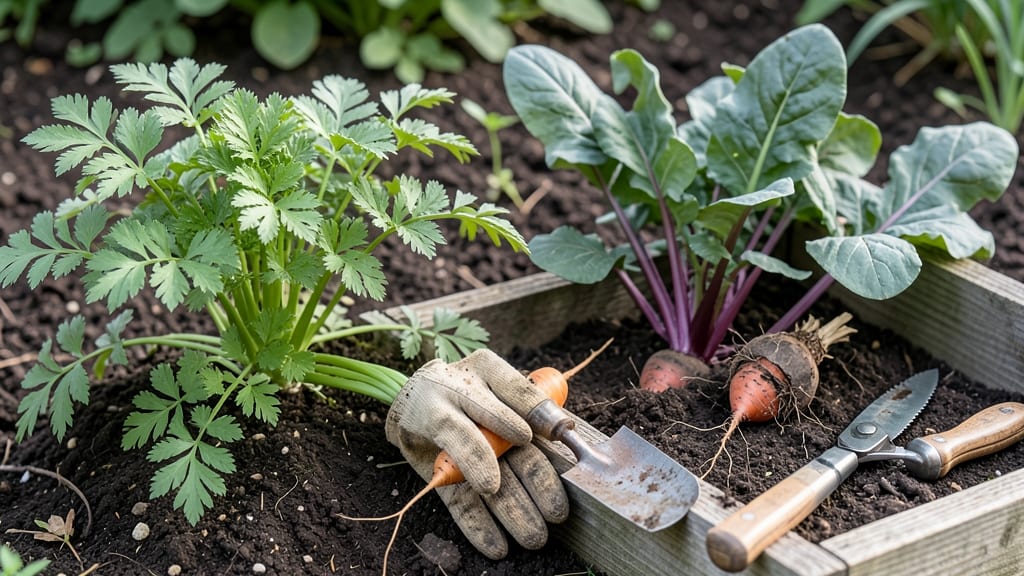
Harvesting beets and carrots at the right time means the difference between tender, sweet roots and tough, bitter disappointments — and there’s a simple trick to know when they’re ready.
Picture this: you’ve nurtured your garden all season, but pulling a carrot or beet too late turns it into a wooden mess. The secret? A quick soil test that tells you exactly when to dig for perfect texture.
Beets and carrots 🥕 don’t follow a one-size-fits-all timeline — their readiness depends on size, soil conditions, and even your local climate. Too early, and they’re underdeveloped; too late, and they toughen up.
In this guide, I’ll walk you through the soil resistance test, how to spot visual cues like color and firmness, and why timing matters for both baby and mature harvests.


How to test soil for perfect beet and carrot harvest timing
Harvesting beets and carrots at the right time ensures sweet, tender roots instead of tough, fibrous ones. The soil resistance test is my go-to method—it’s foolproof and takes just seconds.
This test reveals whether your roots are ready for baby harvests or fully mature. The key? Understanding how soil texture changes as roots grow.
For baby beets and carrots, aim for roots about 1 inch in diameter and 3-4 inches long. Mature roots should reach their variety’s full size—2-3 inches thick for most carrots and 2-3 inches wide for beets.
But size alone isn’t enough; the soil test confirms internal tenderness you can’t see above ground.
Here’s how to perform the test: grab a handful of soil near your plants and gently squeeze. If it feels slightly gritty with small roots, your crop is ready.
But if the soil clings stubbornly or resists, your roots need more time. This method works for both loose, sandy soil and heavier clay—just adjust pressure accordingly.
🌱
- 1 Choose a sunny day after morning watering. Wet soil gives false resistance readings.
- 2 Dig a 2-inch-deep trench beside your plants. Look for roots at the soil-root interface.
- 3 Press soil gently around a root. If it resists slightly but gives way, the root is ready. No resistance? Wait 3-5 more days.
- 4 Check root color when exposed. Beets should be deep red/purple; carrots bright orange. Pale roots need more time.
- 5 Harvest baby roots by gently pulling or using a fork. For mature roots, dig carefully to avoid breaking taproots.
Clay soil holds moisture longer, which can delay harvest by 5-7 days compared to sandy soil. If your garden has rocky patches, roots may develop forked shapes—harvest earlier to avoid deformities.
I’ve found that cool-season varieties (like Detroit Dark Red beets) mature faster in spring than summer-heat varieties.
For continuous harvests, plant beets and carrots in succession every 2 weeks. This way, you’ll always have fresh roots ready when the soil test says “go.” Just remember: overcrowded plants develop smaller roots, so thin seedlings to 2-3 inches apart for optimal growth.
If you’re growing in containers, the soil resistance test works too—just use a small trowel to check roots at the bottom of the pot. Container-grown roots often mature 10-15% faster due to warmer soil temperatures.
🌿
Pro tip: Mark your calendar 60-75 days after sowing for most varieties. But trust the soil test over the calendar—weather delays can shift timelines by weeks. For example, a hot, dry summer might slow growth, while a cool, wet spring can speed it up.
Once you master this test, you’ll never guess at harvest times again. The soil’s resistance becomes your garden’s voice, telling you exactly when to dig for the perfectly tender roots you’ve been waiting for.
✂️
Beet vs. carrot harvest times: key differences by variety
Harvesting beets and carrots at the right time transforms your garden into a treasure trove of sweet, tender roots. But here's the catch: variety matters. A Detroit Dark Red beet harvested too late becomes woody, while a Danvers carrot left in the ground past its prime loses its crispness.
Climate also shifts these timelines—cool northern regions may delay harvests by 2-3 weeks compared to warm southern zones.
For beets, the leaf size is your first clue. Baby beets (like Baby Keeper) are ready in 40-50 days when leaves reach 3-4 inches wide. Mature varieties like Chioggia need 55-65 days, with leaves spanning 6-8 inches.
Carrots, however, rely more on root diameter—Paris Market types are perfect at 1 inch thick (50 days), while Nantes varieties should be 1.5-2 inches (70-80 days).
Climate plays a sneaky role in harvest timing. In cool climates (Zones 3-5), beets and carrots grow slower, so extend your harvest window by 1-2 weeks. For example, Detroit Dark Red beets in Maine might need 65-75 days instead of 55-65.
Conversely, in hot zones (Zones 8-10), speed up harvesting by 5-10 days—heat accelerates maturity but can also make roots tougher if left too long.
Pro tip: Use the soil squeeze test to double-check readiness. Gently press the soil around roots—if it resists slightly (like damp sand), they're ready. If it crumbles easily, they need more time.
Overlooking this can turn your crisp Nantes carrots into stringy disappointments or turn tender Chioggia beets into fibrous sticks.
For continuous harvests, plant succession crops every 2-3 weeks. This ensures a steady supply of baby beets and small carrots throughout the season. Just remember: harvest before bolting—if your beets or carrots send up flower stalks, they've passed their prime and flavor will suffer.
🌱