
Light Requirements
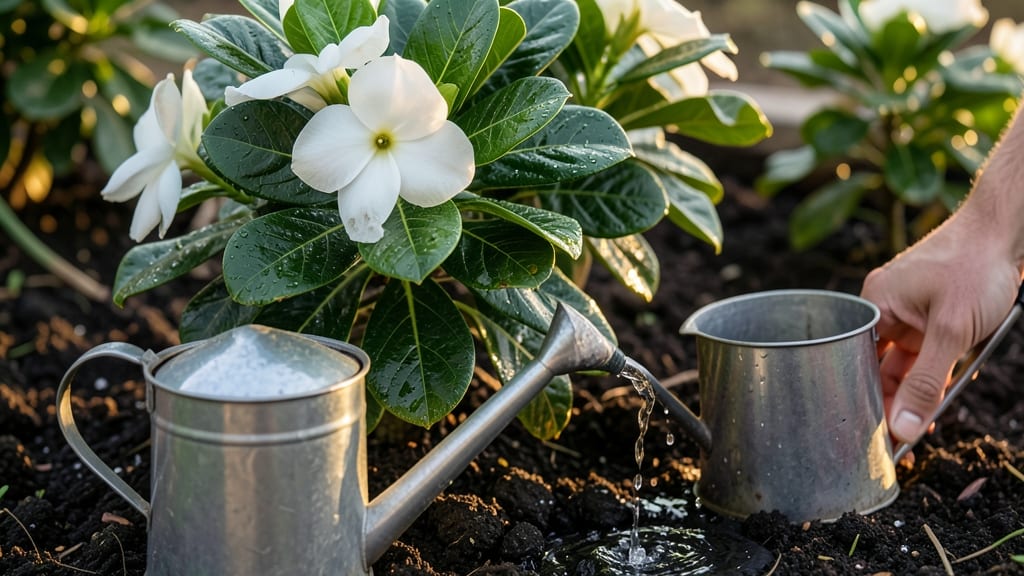
Gardenias need a lot of water to thrive, but their roots drown just as easily as they dry out — the difference between fragrant blooms and a sad, wilted shrub.
Picture this: your 🌸 gardenia’s glossy leaves start curling at the edges, then the flowers refuse to open. You’re watering daily, but something’s still wrong. The issue isn’t how much you’re giving it—it’s how you’re doing it.
These tropical beauties crave consistently moist soil, but their roots rot faster than you can say “overwatered.” The key? Deep, infrequent watering in the morning, paired with well-draining soil and a watchful eye for signs of stress.
In this guide, I’ll break down the exact watering schedule for your Zone 6 gardenia, how to spot over- or under-watering before it’s too late, and three pro tips to keep your plant blooming like a pro—no guesswork required.
How much water do gardenias really need? The science behind their moisture preferences
Gardenias thrive on consistent moisture, but their water needs shift dramatically with seasonal changes and soil conditions. Unlike drought-tolerant plants, gardenias demand regular hydration—yet too much water triggers root rot.
The key lies in understanding their natural moisture preferences, which vary by climate and growth stage.
Research shows gardenias prefer well-draining, acidic soil (pH 5.0-6.0) that retains moisture without becoming soggy. In sandy soils, water evaporates faster, requiring daily checks, while clay soils hold excess water, increasing root rot risks. Even experienced gardeners often misjudge these nuances, leading to wilting or yellowing leaves.
Here’s the science-backed breakdown of gardenia watering needs by season, soil type, and plant maturity—so you can water with confidence:
| Condition | Watering Frequency | Soil Moisture Target | Key Adjustments |
|---|---|---|---|
| Spring (New Growth) | Every 2-3 days | Top 2" of soil damp | Increase if sandy soil |
| Summer (Peak Heat) | Daily (deep watering) | Top 3" of soil moist | Morning watering only |
| Fall (Transition) | Every 4-5 days | Top 1" of soil damp | Reduce gradually |
| Winter (Dormant) | Bi-weekly | Top 1" slightly dry | Avoid wet soil |
| Sandy Soil | Every 1-2 days | Top 1" dry between waterings | Add organic matter |
| Clay Soil | Every 5-7 days | Top 2" damp but not soggy | Improve drainage |
| New Plants | Every 2 days | Keep soil consistently moist | Use mulch to retain moisture |
For new gardenia plants, the first year is critical. Young roots are delicate and need consistent moisture to establish. I’ve found that daily watering in summer with a deep soak (1-2 liters per plant) encourages robust root growth. Skip the shallow sprinkles—gardenias hate dry topsoil with wet roots below.
Established shrubs, however, can handle slightly drier conditions once their root systems mature. Aim for 1-1.5 inches of water weekly during peak summer, but always check soil moisture first.
Stick your finger 2 inches deep—if it’s dry, water; if damp, wait. This simple test prevents overwatering mistakes I’ve seen even seasoned gardeners make.
Seasonal shifts demand adaptive watering. In spring, when gardenias burst into growth, they crave frequent hydration. But by fall, reduce watering by 30-40% to mimic their natural dormancy. Winter watering should be minimal—just enough to prevent soil from becoming bone-dry, which stresses the plant.
One common myth is that gardenias need "a lot" of water year-round. The truth? Overwatering kills more gardenias than underwatering. I’ve seen mushy stems and yellowing leaves from well-meaning gardeners who drowned their plants in summer heat.
The solution? Morning watering reduces evaporation and fungal risks, while mulching with pine bark locks in moisture without suffocating roots.
Soil type plays a huge role in watering success. In sandy soils, water drains too quickly, so I water twice daily in extreme heat—once in the morning, once in the late afternoon.
For clay-heavy soils, I amend with perlite or compost to improve drainage. Without this adjustment, roots suffocate, leading to root rot within weeks.
Pro tip: If your gardenia’s leaves start curling or dropping, it’s often a watering issue. Brown edges? Underwatered. Yellow leaves with mushy stems? Overwatered.
I keep a watering journal to track patterns—it’s saved my gardenias from multiple near-death experiences. Adjust based on weather forecasts too; after a heavy rain, skip watering entirely.
Remember, gardenias are tropical natives that love humidity. If your air is dry (like in many USDA Zone 6-7 areas), increase watering slightly and add a pebble tray with water beneath the pot. This mimics their natural
Signs your gardenia is overwatered or underwatered (and how to fix it fast)
Gardenias thrive on consistent moisture, but their roots are surprisingly sensitive to both overwatering and drought stress. The key is keeping the soil evenly damp—not soggy, not bone-dry.
I’ve seen gardeners drown their plants in well-meaning attempts to keep them hydrated, only to watch the leaves turn yellow and drop. On the flip side, underwatered gardenias wilt dramatically, with crispy edges that scream for help.
Here’s the tricky part: yellow leaves can mean either too much or too little water. The difference? Overwatered leaves feel soggy to the touch, while underwatered ones are dry and brittle. I’ll show you how to tell them apart—and how to rescue your gardenia before it’s too late.
Do Gardenias Need a Lot of Water?
✅ Pros of Proper Watering
- Lush blooms – Consistent moisture fuels fragrant flowers.
- Glossy foliage – Hydrated leaves stay vibrant and disease-resistant.
- Root health – Prevents root rot while keeping soil aerated.
- Seasonal adaptability – Adjust watering for spring/summer growth vs. winter dormancy.
❌ Cons of Over/Underwatering
- Root rot – Soggy soil suffocates roots in 2-3 days.
- Leaf drop – Yellow, mushy leaves signal overwatering.
- Stunted growth – Underwatered plants produce fewer blooms.
- Fungal issues – Wet foliage invites powdery mildew or bacterial leaf spot.
Let’s start with the top 5 signs your gardenia is thirsty or drowning. First, check the leaf color: Uniform yellowing with soggy soil means overwatering, while brown, crispy edges on dry soil means underwatering.
I once had a gardenia with blackened stems—a sure sign of fungal growth from sitting in wet soil for weeks.
Next, examine the soil surface. Overwatered gardenias often have a white, crusty residue (mineral buildup from poor drainage), while underwatered plants pull away from the pot.
Stick your finger 1-2 inches deep—if it feels dry, water immediately. Pro tip: Morning watering prevents evening moisture from lingering on leaves, reducing fungal risks.
For recovery, start by adjusting your watering schedule. If your gardenia is overwatered, let the top 3 inches of soil dry out between waterings. Use a terracotta pot (if repotting) to improve drainage, and add perlite or sand to heavy clay soil.
Underwatered plants need a deep soak—water until it drains from the bottom of the pot, then empty the saucer to prevent root suffocation.
Don’t forget to prune damaged foliage with sterilized shears. Remove yellow or brown leaves to redirect energy to healthy growth. If fungal spots appear, spray with neem oil (1 tsp per quart of water) to treat infections.
I’ve revived gardenias from the brink using this method—patience is key, but results come in 2-4 weeks with consistent care.
Finally, mulch around the base to retain moisture and regulate soil temperature. Use pine bark or shredded leaves—just keep it 2-3 inches away from the stem to avoid rot. With these fixes, your gardenia should bounce back in no time, rewarding you with glossy leaves and intoxicating blooms.