
How To
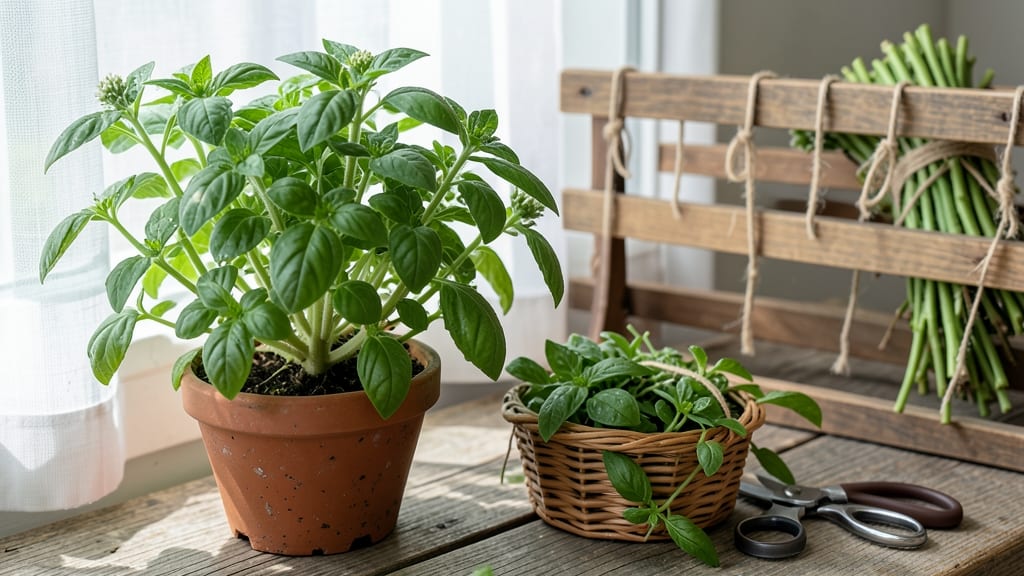
Harvesting basil for drying at the right time preserves its sweet, aromatic flavor instead of turning it bitter.
Most gardeners miss the leaf pair test, a simple trick that tells you exactly when to snip—before the plant bolts or flowers ruin the taste. Drying basil too late means wasting months of growth on flavorless scraps.
This guide shows you how to spot the perfect moment: when leaves are fully mature but still tender, and how to dry them for maximum shelf life. No more guesswork, just bold flavor every time.
You’ll learn the best time of day, seasonal cues for Zone 6a, and how to store dried basil so it stays potent for months.


How to use the leaf pair test for perfect basil harvest timing
Harvesting basil at the wrong stage can ruin its delicate flavor, especially when drying. The leaf pair test is my go-to method for pinpointing the perfect moment—when leaves are at their sweetest and most aromatic.
This simple technique ensures your dried basil retains that fresh garden essence instead of turning bitter or woody.
Here’s why this test works: basil leaves grow in pairs along each stem. When the top two leaf pairs reach full size but haven’t yet started flowering, that’s your cue.
At this stage, the plant has developed enough oils for rich flavor, but hasn’t diverted energy into seed production, which causes bitterness.
I’ve found that harvesting at this stage maximizes flavor retention during drying. The leaves are large enough to hold moisture well but haven’t become tough or fibrous.
This balance is crucial—harvest too early, and your dried basil will lack potency; too late, and you’ll end up with a sad, bitter pile.
Now let’s dive into the step-by-step process. This method takes just 2 minutes per plant and requires no special tools—just your eyes and a sharp pair of scissors.
The leaf pair test works because it aligns with basil’s natural growth cycle. When those top leaves reach maturity, the plant has built up optimal essential oil concentrations—the compounds responsible for that signature basil aroma. These oils are most stable when dried from leaves at this precise stage.
Pro tip: I like to harvest on a dry, sunny morning after any evening dew has evaporated. This gives the leaves time to dry naturally before I process them, reducing the risk of mold during storage. The morning light also helps the leaves retain their vibrant color after drying.
For drying, I bundle stems together with a rubber band and hang them upside down in a well-ventilated, dark space (like a pantry or closet). In about 2-3 weeks, the leaves will crisp up and be ready for storage.
If you harvest too late, those same leaves might take longer to dry and could develop a harsh, medicinal taste.
Remember, the leaf pair test isn’t just about timing—it’s about quality control. By mastering this method, you’ll consistently produce dried basil that tastes like it was just picked from your garden. That’s the difference between good dried basil and exceptional dried basil.
Best time of day and season for basil harvesting before drying
Timing your basil harvest for drying isn't just about picking leaves—it's about capturing peak flavor intensity while avoiding bitterness that ruins dried batches. The best harvest windows depend on two critical factors: time of day and seasonal timing.
Morning harvests yield the sweetest leaves, while late summer offers the longest drying season before frost.
For optimal flavor preservation, harvest basil leaves between 8 AM and 10 AM when essential oils are at their highest concentration. Avoid afternoons when leaves may taste slightly bitter due to heat stress.
Seasonally, aim for late June through early September—this gives you 6-8 weeks of prime drying conditions before frost hits.
| Harvest Factor | Best Practice | Why It Matters |
|---|---|---|
| Time of Day | 8 AM - 10 AM | Highest essential oil content |
| Season | Late June - Early September | Avoids bolting and frost damage |
| Weather | Sunny, <60% humidity | Prevents mold during drying |
| Leaf Stage | 4-6 true leaves | Balances size and flavor |
Weather plays a surprising role in drying quality. Harvest on sunny days with 60% or less humidity to prevent mold growth during the 2-4 week drying process.
High humidity traps moisture, creating ideal conditions for basil spoilage. If rain is forecasted, harvest 24 hours early to avoid damp leaves that won't dry properly.
Seasonal timing affects shelf life too. Basil harvested in early summer (June) tends to dry faster due to warmer temperatures, preserving 3-4 months of flavor when stored properly. Late summer harvests (August-September) may take longer to dry but still yield high-quality dried basil if protected from early frost.
Never harvest basil after it begins flowering—this triggers bitter compounds that ruin both fresh and dried leaves. The 30-day window between transplanting and flowering is your golden harvest period for drying.
By following these seasonal and daily cues, you'll transform your basil harvest into aromatic, long-lasting dried leaves ready for winter cooking.
Pro tip: Bundle harvested stems with rubber bands and hang upside down in a dark, dry place with good airflow. This method preserves 90% of basil's original flavor compared to air-drying on paper towels.