
Vegetables
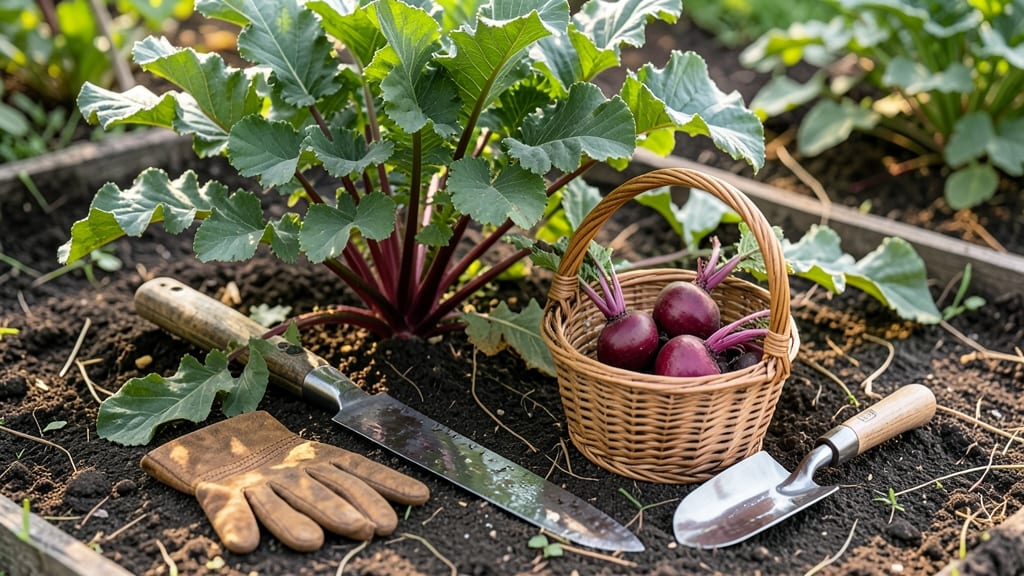
Harvesting beets at the right time means the difference between sweet, tender roots and tough, woody messes—here’s how to spot the perfect moment using simple tricks.
If you’ve ever pulled a beet only to find it’s still small and hard or already tough and stringy, you know timing matters. The key is watching for leaf color shifts and root size, not just days after planting.
For spring-planted beets in Zone 6a, aim for June–July when roots reach 1–3 inches in diameter and tops are 4–6 inches tall. Fall harvests shift to October–November, but the visual cues stay the same.
Below, I’ll walk you through the soil pull test, how to adjust for baby beets vs. full-sized roots, and what to do if you wait too long—so you never waste another harvest.

How to identify beet harvest time by leaf color changes
Harvesting beets at the perfect moment transforms your garden into a treasure trove of sweet, tender roots. The key lies in your beet’s leaf color, which acts like a natural timer.
When leaves shift from deep green to subtle yellowing or browning at the edges, it’s often a sign the roots below are ready. But timing varies by season and variety, so let’s break down what to watch for.
Spring-planted beets typically show leaf color changes around 60-70 days after sowing, while fall varieties may take slightly longer due to cooler temperatures. Pay attention to the edges of leaves first—yellowing or browning there signals root maturity.
However, if the entire leaf turns yellow, it might indicate stress or overripeness, not harvest readiness.
Environmental factors like drought or excessive heat can accelerate leaf color changes, tricking you into thinking roots are ready when they’re not. Always pair leaf cues with the soil pull test (we’ll cover this next!) to confirm.
For example, my Detroit Dark Red beets in July showed early browning due to a heatwave, but their roots were still small and tough.
| Leaf Color Indicator | Root Maturity | Seasonal Notes | Action |
|---|---|---|---|
| Deep green leaves with no yellowing | Roots 1 inch or smaller | Early growth (45-55 days) | Wait 2-3 weeks |
| Yellowing edges (10-30%) | Roots 1.5-2.5 inches | Ideal harvest window (60-70 days) | Harvest now for best flavor |
| 50%+ browning or wilting | Roots 3+ inches (risk of woody texture) | Late season (75+ days) | Harvest immediately or risk toughness |
| Full yellow leaves (no green) | Roots overmature (woody, bitter) | End of season (80+ days) | Harvest greens only or discard |
Spring beets often show yellowing edges 2-3 weeks before peak harvest time, especially in cooler climates like USDA Zone 5. In contrast, fall-planted beets may develop browning faster due to shorter daylight.
For example, my Chioggia beets in September turned bronze at the edges within 65 days, signaling their striped roots were perfect for harvest.
Watch for uneven leaf color—this can indicate uneven root growth. If some leaves yellow while others stay green, dig up a test beet to check root size.
Uneven maturity often happens in container gardens where roots compete for space. In my raised beds, I’ve seen this with Detroit Dark Red beets planted too closely together.
Heat stress causes premature browning, while drought leads to crispy, curled leaves that may still hide tender roots. Always water consistently to avoid these false signals.
I once lost a batch of Golden Beets in August because I assumed the crispy leaves meant the roots were overripe—they were actually perfect for roasting!
Cool-season beets (like those planted in late summer for fall harvest) may show purple or red tinges on leaves before browning. This is normal and doesn’t indicate stress.
For instance, my Bull’s Blood beets developed deep red stems and edges in October, but their roots were still sweet and tender when harvested.
If your beets are growing in partial shade, their leaves may stay green longer, delaying color changes. In these cases, rely more on the soil pull test than leaf cues.
Last year, my Baby Beets under a patio stayed vibrant until day 70, but their tiny roots were ready weeks earlier.
Remember: Leaf color is just one clue. Combine it with root size (1-3 inches in diameter) and texture (smooth, not woody) for foolproof harvesting.
The best time to harvest is when your beets balance sweetness and tenderness—and their leaves are just starting to whisper “I’m ready!” with a hint of yellow.
🌱
The soil pull test: step-by-step guide to harvesting beets at peak sweetness
The soil pull test is my go-to method for determining when beets are ready to harvest. This simple technique helps you avoid woody, overgrown roots while ensuring you don’t pull them too early.
The best time to perform this test is when your beets have reached 50-60 days of growth, depending on the variety. Early morning is ideal because the soil is moist but not saturated, making roots easier to assess.
Start by gently loosening the soil around the beet’s base with your fingers or a small hand trowel. Be careful not to damage the root—you’re just creating space to check its size.
Look for roots that are 1-3 inches in diameter; these are perfect for tender, sweet eating. If they’re smaller, give them a few more days.
How to Perform the Soil Pull Test
- Step 1: Choose a healthy-looking beet with vibrant green tops.
- Step 2: Gently loosen soil around the base with your fingers.
- Step 3: Grasp the beet firmly at the base and pull upward.
- Step 4: If it slips out easily, it’s ready to harvest. If it resists, wait 2-3 more days.
- Step 5: Check root texture: Smooth and firm roots are perfect, while rough or cracked roots are overripe.
One of the most common mistakes is waiting too long to harvest. Overripe beets develop a tough, woody texture and lose their sweetness. Another error is pulling beets when the soil is dry or hard, which can cause the roots to break.
Always harvest after watering the soil thoroughly to make the process smoother and less damaging to your plants.
After harvesting, I like to trim the greens and store the roots in a cool, dark place. Beets can last up to a month in the fridge if stored properly.
For long-term storage, consider curing and canning your harvest. This method preserves their flavor and nutrients for months, making it a great way to enjoy homegrown beets even in winter.
If you’re growing baby beets or Chioggia varieties, you can harvest them earlier when the roots are about 1 inch in diameter. These smaller beets are perfect for salads and quick cooking.
Always check the variety’s specific instructions, as some beets mature faster than others. Regularly performing the soil pull test ensures you never miss the perfect harvest window.
Remember, the key to peak sweetness is consistency. Monitor your beets closely, especially as they near maturity, and don’t hesitate to pull a few for testing. With practice, you’ll develop a keen eye for the ideal harvest time, ensuring your beets are always delicious and tender.