
How To
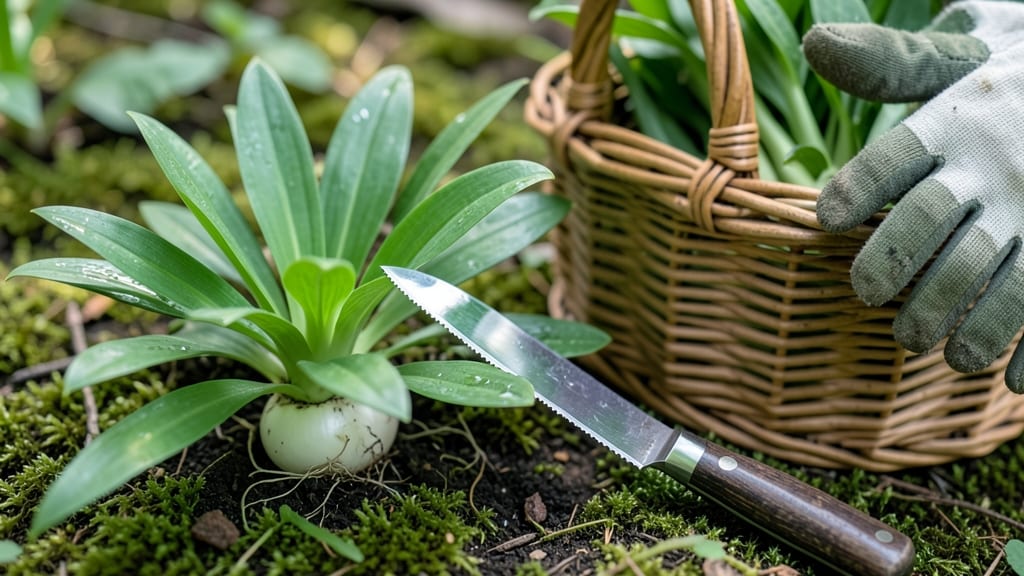
Harvest wild garlic when it reaches 4-5 fully elongated leaves—that’s the sweet spot for maximum flavor and aroma 🌿.
Wild garlic’s pungent, garlicky aroma transforms dishes—but harvesting too early or late ruins its delicate flavor. Timing is everything, and these 3 leaf stages reveal exactly when to pick for peak intensity.
In USDA Zone 6, aim for late April to early May when leaves are dark green and emit a strong garlic scent. Miss this window, and you risk bitter bulbs or weak flavor.
Below, I’ll break down the 3 key leaf stages, the best time of day to harvest, and how to store your wild garlic so it keeps its bold taste for months.


How to identify wild garlic’s 3 harvest-stage leaf patterns
Wild garlic (Allium ursinum) is a forager’s treasure, but its flavor transforms dramatically based on leaf development. The number of leaves directly correlates with intensity—too few means mild flavor, while too many signal bitterness. Mastering these 3 harvest-stage patterns ensures you pick at peak flavor every time.
I’ve spent years tracking wild garlic patches in woodland edges and moist meadows, and the most reliable indicator isn’t bulb size—it’s leaf count. Each stage offers a distinct flavor profile, from subtle garlicky notes to bold, pungent intensity.
Below, I’ll break down what to look for in the field, including visual cues and scent tests.
Pro Tip: Always harvest on dry mornings after dew has evaporated. Wet leaves bruise easily, and crushed wild garlic releases allicin (its active compound) faster, making it harder to handle. Use sharp pruning shears or a serrated knife to avoid damaging nearby plants.
At the 2–3 leaf stage, wild garlic is still developing its signature punch. The leaves are narrow and pale green, and the flavor is almost onion-like with just a hint of garlic.
This is perfect for raw applications like salads or garnishes, where you want a delicate touch rather than overpowering heat.
When you spot 4–5 leaves, that’s your golden window for harvesting. The leaves will be broad, dark green, and fully elongated, reaching 10–14 inches tall.
Crush a leaf between your fingers—if it releases a bold, pungent aroma, you’ve hit peak flavor. This is ideal for cooking, where the intense garlic notes shine.
Beyond 6 leaves, wild garlic shifts into bitter territory. The leaves grow taller and narrower again, and the flavor becomes harsher. While still edible, it’s best reserved for long-cooked dishes or infusions, where the bitterness mellows.
If you’re foraging for bulbs, wait until the leaves yellow and die back—this signals the bulb is fully mature.
One mistake I see often is harvesting by bulb size instead of leaf stage. Wild garlic bulbs grow underground, and digging too early can stunt the plant or leave it vulnerable to pests and disease. Always prioritize leaf development—it’s the most reliable indicator of flavor readiness.
For sustainable foraging, never harvest more than 30% of a patch in one season. Wild garlic spreads via rhizomes, so leaving some plants ensures the patch thrives for future harvests.
If you’re growing wild garlic in your garden, mulch heavily in fall to protect the bulbs and encourage robust leaf growth next spring.
Store harvested wild garlic in a paper bag in the fridge for up to 1 week, or freeze whole leaves for up to 6 months. To preserve flavor, blanch leaves for 30 seconds before freezing.
Now that you know the 3 leaf stages, you’re ready to forage like a pro—just watch those patches closely!
Best time of day and season for harvesting wild garlic
Timing your wild garlic harvest can make all the difference between a mild, aromatic flavor and a bitter, disappointing result. The time of day and seasonal window both play crucial roles in preserving that signature garlicky punch.
I’ve learned through years of foraging that these factors directly impact how well your harvest stores and tastes.
For the best flavor, always harvest wild garlic in the early morning after the dew has evaporated but before the sun becomes too intense. This timing ensures the leaves are fully hydrated and packed with flavor.
The spring season, particularly from April through May, is prime harvest time when the plants are actively growing but haven’t yet bolted.
🌿 Numbered Highlights: Optimal Harvesting Times
- 1. Morning Harvest: Pick leaves between 6 AM and 9 AM when they’re dry but still cool. This preserves maximum flavor and prevents wilting.
- 2. Spring Season: Focus on April and May when leaves are fully elongated and dark green. Avoid harvesting after mid-June when plants start bolting.
- 3. Avoid Rainy Days: Harvest only on dry mornings to prevent mold. Wet leaves lose flavor quickly and may spoil faster during storage.
- 4. Bulb Harvesting: Dig bulbs in late spring or early summer when leaves begin yellowing. This ensures bulbs are fully mature but haven’t yet gone dormant.
- 5. Regional Adjustments: In warmer climates, harvest 2-4 weeks earlier to avoid heat stress. In colder areas, extend harvesting into early June.
Weather conditions can drastically alter your harvest’s quality. I’ve noticed that harvesting after a light frost can actually enhance the flavor, but avoid picking during or immediately after heavy rain. The humidity levels also matter—high humidity can lead to faster spoilage, so always let leaves air-dry completely before storing.
If you’re harvesting bulbs instead of leaves, wait until the foliage turns yellow and begins to die back naturally. This usually happens in late spring or early summer, depending on your climate. Bulbs harvested at this stage store best and maintain their intense garlic aroma for months.
For long-term storage, always harvest on a sunny day and dry the leaves or bulbs thoroughly in a well-ventilated area away from direct sunlight. Properly dried wild garlic can last up to 6 months in a cool, dark place, making it a fantastic addition to your winter pantry.
Remember, sustainable harvesting is key. Never take more than 30% of the plant in one go, and always leave some leaves to ensure the plant can regrow. This way, you’ll enjoy wild garlic harvests for years to come! 🌱