
Planting
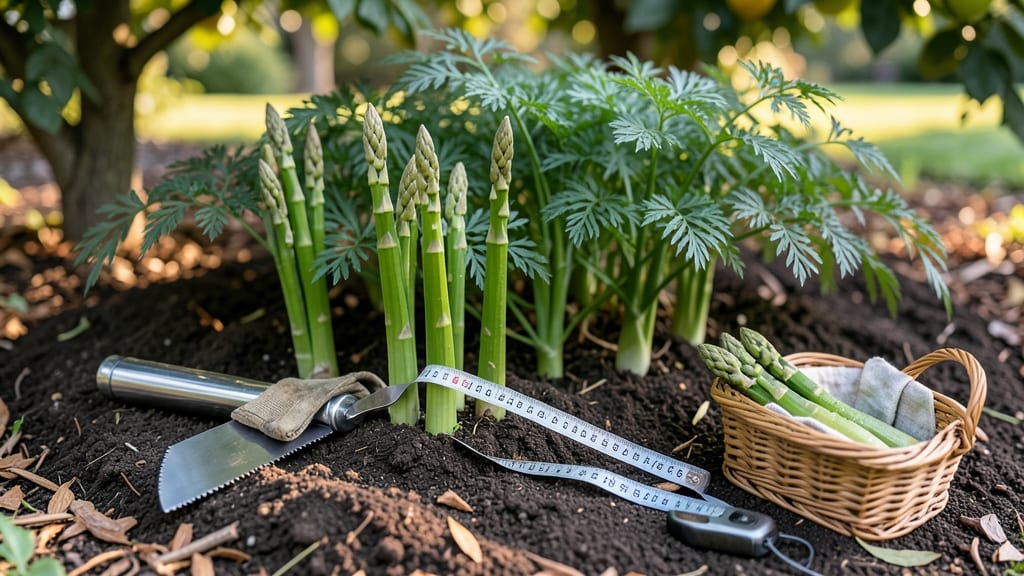
Harvesting asparagus after planting at the right time means the difference between tender, sweet spears and tough, bitter stalks—so why do so many gardeners miss the window?
You’ve waited two years for those first spears to emerge, only to wonder: Is it too early? or Too late? The truth is, timing isn’t just about the calendar—it’s about spear size, soil cues, and even the weather.
One wrong cut can turn your asparagus into a woody disappointment, and no one wants that.
In this guide, I’ll break down the exact signals to watch for—from 6-8 inch spears with tight tips to soil warmth and moisture levels—that tell you now is the moment to harvest.
You’ll also learn how to avoid common mistakes that ruin quality and keep your asparagus patch productive for years.
Ready to turn your patience into a bountiful harvest? Let’s dive into the spear-size and soil cues that will change how you grow asparagus forever.


How to identify perfect asparagus spear size for harvesting
Harvesting asparagus at the right moment transforms your garden into a tender-spear factory, but timing is everything. Too early, and you’ll get thin, grass-like stalks—too late, and the spears turn woody and bitter.
The key lies in three critical factors: spear height, diameter thickness, and color maturity. Master these, and you’ll enjoy spears so crisp they’ll make restaurant-quality asparagus jealous.
First, focus on the height of the spear. Ideal asparagus spears should reach between 6 to 8 inches tall before harvesting. This is when they’ve absorbed enough nutrients to develop a tender, fibrous texture without becoming tough.
If you wait until they hit 10+ inches, you risk missing the window of peak tenderness. Think of it like catching a fish at its prime—too small, and it’s not ready; too big, and it’s overdone.
Next, check the diameter of the spear. Perfectly sized asparagus spears should be about half an inch to 3/4 inch thick (roughly the width of a pencil). Use your thumb and index finger to gauge the size—if it fits snugly, it’s ready.
Thinner spears (1/4 inch or less) are still developing, while thicker ones (> 1 inch) have already started converting starches into fiber, making them tougher to chew.
Color is your third clue. The tips of ready-to-harvest spears should be a vibrant deep green, not pale or yellowing. This indicates they’ve reached full maturity without overgrowing.
Avoid harvesting spears with fern-like foliage at the tips—this is a sign the spear has already begun converting energy into foliage growth, sacrificing tenderness for foliage production.
Here’s a quick visual guide to help you spot the perfect spear:
| Spear Feature | Perfect Size | Not Ready |
|---|---|---|
| Height | 6–8 inches | <5 inches or >10 inches |
| Diameter | ½–¾ inch | <¼ inch or >1 inch |
| Color | Deep green tips | Pale or yellowing |
| Texture | Firm, crisp | Woody or fibrous |
| Foliage | No fern tips | Fern-like growth |
Pro tip: Harvest asparagus in the morning when temperatures are cooler. This ensures the spears are at their freshest and crispest. Use a sharp knife or shears to cut spears at the soil line, never pulling them—this prevents damaging the crown and future spear production.
If you accidentally cut a spear that’s too small, don’t worry! Asparagus plants produce multiple spears in a season, so you’ll get another chance soon.
One common mistake is assuming calendar months dictate harvest time. While asparagus typically emerges in early spring (March–April), the exact timing depends on your USDA zone and soil temperature.
In colder climates (Zones 3–5), spears may not emerge until late April or May, while warmer zones (Zones 7–9) can start as early as February. Always prioritize plant maturity cues over the calendar.
For first-year plants, resist the urge to harvest at all! Let the spears grow into fern-like foliage to build energy for next year’s crop. Only in year two or later should you begin harvesting, and even then, limit yourself to 3–4 weeks of harvest to avoid exhausting the plant.
This patience pays off with bigger, healthier spears in subsequent years.
Finally, keep an eye on the soil temperature. Asparagus spears won’t emerge until the soil reaches 50°F (10°C). If your area experiences late frosts, wait until the ground warms consistently before expecting spears. Use a soil thermometer to track this—it’s a game-changer for timing your harvest perfectly.
By combining these size, color, and texture cues, you’ll harvest asparagus at its peak—every time. Soon, your garden will be the talk of the neighborhood, and you’ll never settle for store-bought spears again. Happy harvesting! 🌱✂️
Soil cues that signal it's time to harvest asparagus
While spear size is the primary indicator for harvesting asparagus, your soil plays a silent but critical role in signaling the perfect window. Paying attention to moisture levels, temperature, and even root activity can help you time your harvest for maximum tenderness.
These secondary cues work alongside spear size to ensure you're harvesting at peak quality.
One of the first soil cues to watch is consistent moisture without waterlogging. Asparagus roots thrive in well-drained soil that stays evenly moist—like a wrung-out sponge. If the top 2-3 inches of soil feel slightly damp to the touch but aren't soggy, your plants are likely ready.
Overly dry soil can stress the plant, while soggy conditions invite rot or fungal issues.
⚠️ WARNING: Harvesting Too Early or Late Based on Soil Cues ⚠️
Root activity is another key indicator—healthy asparagus roots actively absorb nutrients when spears are ready. Gently press your finger into the soil around the base of the plant. If you feel resistance (like firm clay) rather than loose dirt, roots are likely well-established and supporting active spear growth. This firmness often coincides with the first 2-3 weeks of spear emergence in spring.
Watch for soil color changes near the plant base. Healthy asparagus beds show a darker, richer brown in the top 4-6 inches, signaling active root and microbial activity.
If the soil looks pale or ashy, it may be nutrient-deficient or compacted, which can delay harvest readiness. Amend with compost if needed before relying on soil cues.
Timing your harvest with early morning soil conditions is ideal. Soil is coolest then, which slows metabolic activity and preserves spear tenderness. Check for dew-free but moist soil—this balance indicates overnight watering was sufficient without oversaturating. Harvest within 2-3 hours of sunrise when spears are crispest and most flavorful.
Finally, combine soil cues with spear maturity for precision. If your soil is ideal (moist but not soggy, warm but not scorching, and firm with active roots) but spears are still under 6 inches, wait a few days.
Conversely, if soil conditions are perfect but spears are over 8 inches, they may already be toughening—harvest immediately to avoid bitterness.
By mastering these soil-based signals, you'll harvest asparagus at its peak—when spears are tender, flavorful, and the plant remains healthy for years to come. 🌱