
Advice
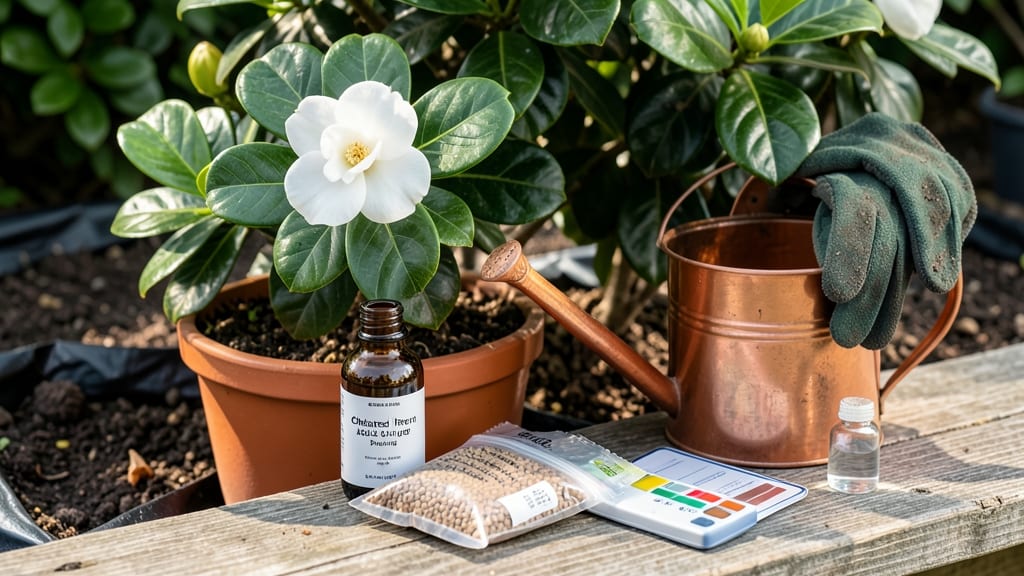
Gardenias need iron to keep their leaves vibrant and blooms abundant, but deficiency is more common than you’d think—especially in alkaline soil.
Picture this: your 🌸 gardenias look healthy at first glance, but the leaves start turning yellow between the veins while the stems stay green. That’s classic iron deficiency, and it’s not just an eyesore—it stunts growth and cuts back those fragrant blooms you love.
Fixing it doesn’t require a degree in chemistry. With the right soil amendments—like chelated iron or sulfur—you can restore iron levels in just a few weeks. I’ll walk you through diagnosing the problem, choosing the best supplements, and adjusting your soil’s pH so your gardenias thrive without recurring issues.
By the end, you’ll know exactly how to test your soil, when to apply iron, and whether foliar sprays or soil treatments work better for your USDA Zone 9b climate. No more guessing—just lush, blooming gardenias year-round.
How to diagnose and fix iron deficiency in gardenias
If your gardenias are showing yellowing leaves with green veins, it’s a classic sign of iron chlorosis. This deficiency is common in gardenias because they thrive in acidic soil (pH 5.5–6.5), and iron becomes unavailable when soil pH rises.
The good news? Diagnosing and fixing it is straightforward with the right approach. Let’s start by identifying the symptoms and root causes so you can restore your gardenias to their vibrant, blooming best.
Iron deficiency often begins with young leaves turning pale yellow while the veins remain green—a condition called interveinal chlorosis. Over time, you may notice stunted growth, fewer blooms, and even leaf drop. Since gardenias are acid-loving plants, alkaline soil (pH above 7.0) is the most common culprit.
Other factors like poor drainage or compacted soil can also limit iron uptake, even if your soil tests acidic. The key is to act quickly before the deficiency spreads.
| Symptom | Cause | Solution |
|---|---|---|
| Yellow leaves with green veins | Alkaline soil (pH > 7.0) | Lower pH with sulfur or peat moss |
| Stunted growth, weak stems | Iron unavailable in soil | Apply chelated iron or Epsom salt |
| Fewer blooms, small leaves | Chronic nutrient deficiency | Soil test + organic compost tea |
| Brown leaf edges | Over-fertilization or drought | Adjust watering + flush soil with rainwater |
Before diving into treatments, test your soil’s pH level—this is the first step to diagnosing the issue accurately. You can use a DIY soil test kit (available at garden centers) or send a sample to a local extension office for a professional analysis.
Aim for a pH between 5.5 and 6.5 for gardenias. If your soil is too alkaline, you’ll need to lower the pH gradually using elemental sulfur or peat moss. Sprinkle sulfur around the base of the plant and water it in, then retest the soil in 2–4 weeks.
Once you’ve confirmed the pH is in the ideal range, it’s time to boost iron levels. Chelated iron supplements are the fastest solution because they’re designed to be absorbed immediately by plants. Look for products labeled "iron chelate" or "iron EDTA", and follow the package instructions for application.
For organic gardeners, Epsom salt (magnesium sulfate) can help—mix 1 tablespoon per gallon of water and spray it on the leaves and soil monthly. Another organic option is compost tea, which enriches the soil with micronutrients.
Don’t overlook the power of organic amendments like compost or well-rotted manure. These improve soil structure and microbial activity, which helps break down iron into a form your gardenias can absorb. Spread a 2-inch layer of compost around the plant (but avoid touching the stem) and water it thoroughly.
For potted gardenias, mix compost into the top 2 inches of soil during repotting. This method takes longer to show results but builds long-term soil health.
Watering practices play a surprising role in iron uptake. Gardenias need consistent moisture, but overwatering or poor drainage can create oxygen-deprived roots that struggle to absorb nutrients. Water deeply once or twice a week, ensuring the soil drains well.
If your gardenias are in pots, choose containers with drainage holes and use a well-draining potting mix designed for acid-loving plants. Mulching with pine bark or pine needles also helps maintain acidic soil conditions while retaining moisture.
If you’ve tried soil amendments and still see signs of deficiency, consider a foliar spray for a quick fix. Mix 1 teaspoon of chelated iron with 1 gallon of water and spray it on the leaves in the early morning or late afternoon.
Avoid spraying when the sun is intense, as this can cause leaf burn. Repeat every 2–4 weeks until you see improvement in leaf color. Foliar sprays are especially useful for potted gardenias or plants in high-pH soil where root uptake is limited.
Preventing iron deficiency starts with proactive soil care. Regularly test your soil’s pH and adjust it as needed, especially if you live in an area with naturally alkaline soil. Incorporate organic matter like compost or peat moss into your garden beds annually to improve nutrient availability.
Prune your gardenias in late winter or early spring to encourage new growth, which is more responsive to iron treatments. Finally, avoid over-fertilizing with high-nitrogen products, as this can worsen chlorosis by promoting rapid growth that depletes iron reserves.
With the right approach, your gardenias can bounce back from iron deficiency in as little as 4–6 weeks. Start by addressing the root cause—usually high soil pH—and combine treatments like chelated iron, Epsom salt, and organic amendments for the best results.
Keep an eye on your plants, and don’t hesitate to retest the soil if symptoms persist. Soon, you’ll be rewarded with glossy green leaves and abundant blooms that’ll make your garden the envy of the neighborhood. 🌸
Best iron supplements for gardenias: chelated vs. organic options
When your gardenias show yellowing leaves with green veins, it’s a classic sign of iron deficiency. The good news? There are effective iron supplements to restore health. But not all options work equally well.
Let’s break down the best choices—chelated iron, iron sulfate, and organic alternatives—so you can pick the right one for your plants.
Iron supplements for gardenias fall into two main categories: synthetic (like iron sulfate or chelated iron) and organic (such as compost tea or Epsom salt). Each has pros and cons, especially when it comes to absorption rates and soil compatibility.
For example, chelated iron is highly absorbable, while organic options may take longer but improve soil health over time.
Chelated iron is my top recommendation for quick results. It’s designed to bind iron so plants can absorb it immediately, even in alkaline soils. On the other hand, iron sulfate is cheaper but can harm soil pH if overused. Organic options, like fish emulsion or seaweed extract, are gentler but require patience and consistent application.
Iron Supplement Comparison for Gardenias
- ✅ Fast absorption
- ✅ Works in alkaline soil
- ✅ Low risk of over-application
- ✅ Budget-friendly
- ❌ Can acidify soil
- ❌ Risk of over-fertilization
- ✅ Improves soil health
- ✅ Slow-release benefits
- ❌ Takes longer to work
- ✅ Quick surface absorption
- ❌ Doesn’t fix soil issues
- ❌ Requires frequent reapplication
For best results, I recommend starting with a soil test to check pH levels. If your soil is alkaline (pH >7), chelated iron is your best bet. Mix 1 teaspoon per gallon of water and apply every 4-6 weeks during the growing season.
For organic gardeners, compost tea or fish emulsion can gradually boost iron levels while improving soil structure.
One common mistake is overapplying iron supplements, which can lead to toxic buildup. Always follow package instructions and monitor your gardenias for signs of improvement. If leaves remain yellow after 4-6 weeks, consider adjusting your soil pH with sulfur or peat moss to enhance iron availability.
Remember, the goal is balanced nutrition, not just quick fixes. Combine iron supplements with regular pruning, proper watering, and mulching to keep your gardenias thriving year-round. With the right approach, you’ll see those glossy green leaves and fragrant blooms return in no time! 🌸