
Plants
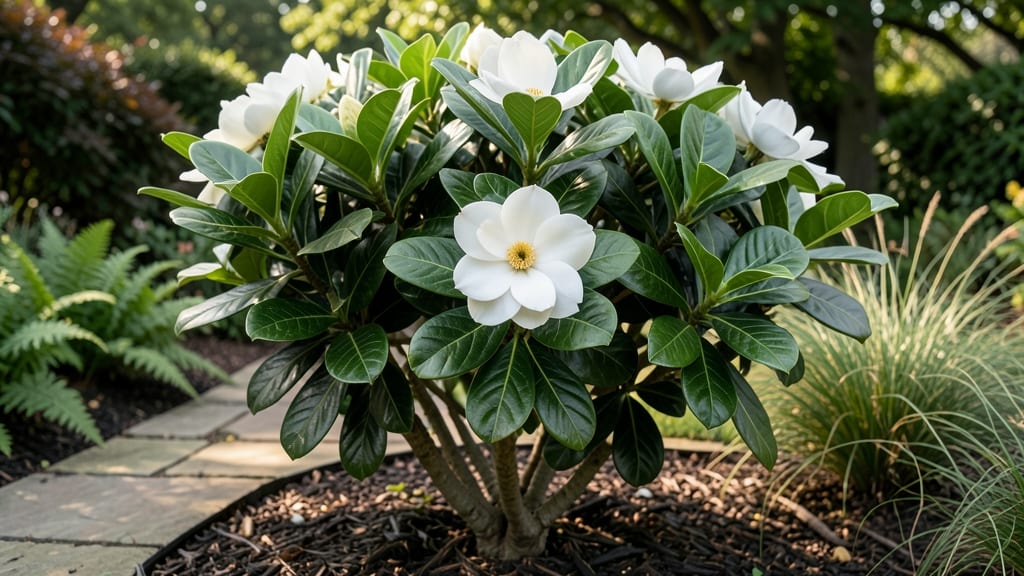
Gardenia plants get between 2 and 6 feet tall, with spreads ranging from 3 to 5 feet wide—think of them as the elegant, fragrant centerpiece for your garden or patio.
If you’re dreaming of fragrant gardenias but wondering whether they’ll fit your garden—or just your patio—knowing their mature size is key to planning. These tropical beauties vary wildly in height and spread, from compact shrubs to towering small trees, making variety selection critical for your space.
Most gardenias, like the classic Gardenia jasminoides, hit 4 to 6 feet tall with a bushy spread, while dwarf varieties stay under 3 feet. That means they’re perfect for hedges, container gardens, or even as a statement plant near your porch.
In this guide, I’ll break down sizes by variety, share pruning tips to control their growth, and help you pick the perfect gardenia for your space—whether you’ve got a cozy balcony or a sprawling backyard.
Gardenia plant size by popular variety: height and spread guide
Choosing the right gardenia variety starts with understanding their mature sizes, which can range from compact shrubs perfect for containers to tall specimens that dominate garden beds. Since gardenias are slow growers (typically 6–12 inches per year), their eventual size helps you plan spacing, pruning, and even container choices.
For example, a ‘Kleim’s Hardy’ gardenia stays under 3 feet tall, while ‘Radicans’ can reach 6 feet—that’s the difference between a patio centerpiece and a privacy hedge!
Most gardenias belong to the Gardenia jasminoides species, but hybrids like Gardenia augusta and Gardenia thunbergia offer unique forms. Dwarf varieties are ideal for balconies or small yards, while standard types thrive in landscape borders or foundation plantings.
Below, we’ll compare 8 popular gardenia varieties by their mature height and spread, plus tips for managing their growth based on your space.
If you’re growing gardenias in containers
How gardenia size affects growth conditions: sun, soil, and pruning tips
Your gardenia’s mature size isn’t just about aesthetics—it directly impacts its sunlight needs, soil requirements, and pruning strategy.
Compact varieties like ‘Kleim’s Hardy’ thrive in partial shade with minimal trimming, while larger types such as ‘Radicans’ demand full sun and regular pruning to control their 6-foot spread. Understanding these differences ensures your gardenia grows healthy and blooms abundantly.
For small-space gardeners, dwarf varieties (2–3 ft tall) are ideal for containers or tight borders. These need morning sun and well-draining, acidic soil (pH 4.5–6.0) to prevent root rot.
Meanwhile, standard varieties (4–6 ft) require more sunlight (6+ hours daily) and richer soil to support their larger foliage and flower production.
⚠️ Warning: Over-Pruning Young Gardenias
Never trim more than 1/3 of a young gardenia’s growth in a single session—this stresses the plant and reduces flowering. Compact varieties (like ‘Veitchii’) need minimal pruning to maintain their shape, while larger types (like ‘Radicans’) can handle annual light pruning after blooming to encourage bushier growth.
Sunlight requirements shift with size: Taller gardenias (5+ ft) need full morning sun (6–8 hours) to fuel their energy needs, while dwarf varieties (2–3 ft) do well with partial shade (4–6 hours). Place larger plants where they’ll receive dappled sunlight in the afternoon to avoid leaf scorch.
For container gardenias, ensure pots have drainage holes and use a lightweight potting mix to prevent root suffocation.
Soil pH is non-negotiable—gardenias refuse to thrive in alkaline soil (pH 7.0+). Test your soil and amend with peat moss or sulfur to keep it acidic (pH 4.5–6.0).
Add a 2-inch layer of mulch (like pine bark) to retain moisture and mimic their tropical habitat. Organic matter, such as composted leaves, also improves soil structure for larger varieties, which have deeper root systems.
Pruning strategies vary by variety. ‘Kleim’s Hardy’, a dwarf gardenia, rarely needs pruning—just remove dead blooms to encourage new growth. In contrast, ‘Radicans’, which can spread 5–6 feet wide, benefits from annual pruning in late winter to shape it and remove crossing branches.
Always use sterilized pruners to avoid disease transmission, and prune just above a leaf node for optimal regrowth.
For container gardenias, size matters even more—root-bound plants stop blooming and may wilt. Repot every 2–3 years into a slightly larger container (1–2 inches wider) and trim circled roots to encourage outward growth. Fertilize monthly during spring/summer with an acid-loving plant food to compensate for the limited soil volume.
Remember: Patience is key with gardenias—they grow slowly in their first 2 years but reward you with fragrant blooms once established. Choose your variety based on your space, then tailor sun, soil, and pruning to match its mature size.
Your gardenia will thank you with lush foliage and intoxicating flowers all season long. 🌿