
Shrubs
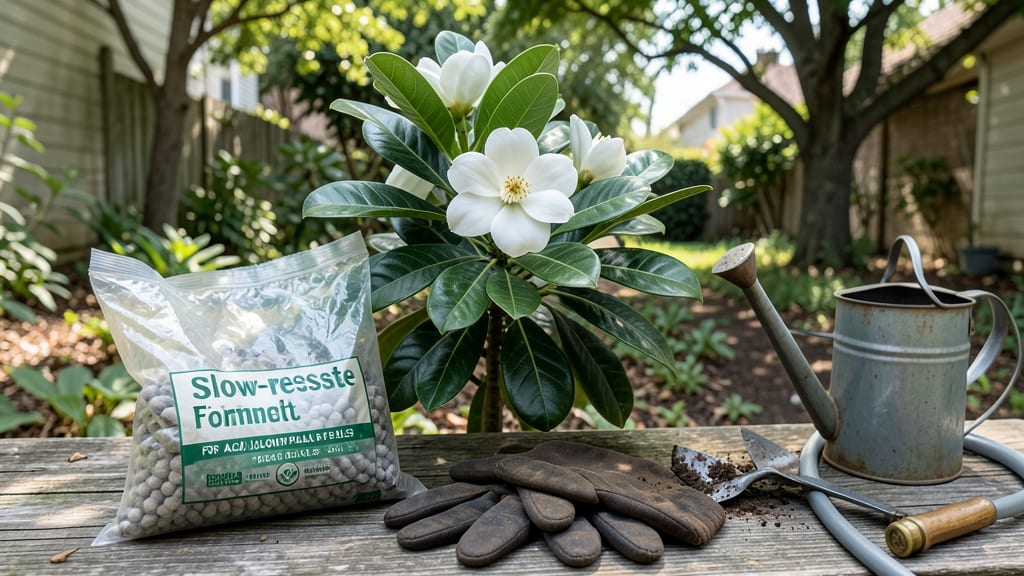
Fertilizing gardenias at the right time 🌸 is the key to nonstop summer blooms that make your yard smell like a tropical escape.
Struggling to keep your gardenias blooming all summer? The secret isn’t just what you fertilize with—but when. Timing your gardenia care perfectly can transform a sparse shrub into a fragrant, flower-filled showstopper.
Most gardeners overlook the fact that these delicate shrubs need a spring kickstart and a summer feeding schedule—not a winter boost. In Zone 6, that means starting light in early April and feeding monthly through July, then tapering off before fall.
Below, I’ll show you the exact monthly schedule, how to spot when your gardenias are begging for nutrients, and the one fertilizer mistake that kills blooms faster than drought.

Best fertilization schedule for gardenias by season (with key months)
Timing your gardenia fertilization is like conducting an orchestra—get it wrong, and you’ll end up with a shrub that’s all leaves and no blooms. Gardenias thrive on a seasonal feeding rhythm, with peak activity during their spring and summer growth spurts.
The key is feeding them when they’re hungry but stopping before winter dormancy sets in. In Zone 6 climates (like most U.S. gardeners), this means a 6-month feeding window from March through August, with adjustments for warmer or cooler regions.
Over-fertilizing in winter is a common mistake that leads to burned roots and sparse blooms the following season. Gardenias are acid-loving plants, so pair your fertilizer with iron sulfate or sulfur to maintain their ideal pH of 5.0–6.5.
For container gardenias, halve the fertilizer dose since they dry out faster and absorb nutrients differently. Let’s break down the month-by-month schedule to keep your gardenias thriving.
In March, kickstart growth with a light application of fertilizer (about 1 tablespoon per plant) mixed into the top inch of soil. This is your cue to wake up those roots after winter dormancy.
Use a slow-release, acidifying fertilizer like 13-4-5 or a fish emulsion to avoid shocking the plant. For potted gardenias, dissolve the fertilizer in water first to ensure even distribution.
From May through July, your gardenias will be in their prime blooming phase. This is when you should feed them monthly with a balanced fertilizer (like 10-10-10) to support both foliage and flowers. Avoid high-nitrogen fertilizers, as they promote leafy growth at the expense of blooms.
Instead, opt for a phosphorus-rich formula to encourage flowering. Water thoroughly after fertilizing to help nutrients penetrate the soil.
By August, you’ll notice your gardenias slowing down as they prepare for winter. This is the time to taper off fertilization. Apply a final light feeding in early August to support any late-season blooms, but avoid heavy doses.
In cooler climates (Zones 5-6), you can extend feeding into early September if your gardenias are still active. However, in warmer zones (Zones 7-10), they may already be entering a natural dormancy, so skip fertilizing entirely.
One of the biggest mistakes gardeners make is fertilizing in fall or winter. Gardenias are dormant in cooler months, and feeding them during this time can lead to root burn and weakened plants.
Instead, focus on mulching with pine bark or compost to protect roots and maintain soil acidity. If you live in a mild-winter region, you might see sporadic blooms in winter, but resist the urge to fertilize—your plant will thank you come spring with vibrant, fragrant blooms.
For gardeners in warmer climates (Zones 8-10), adjust your schedule slightly. Start fertilizing in February instead of March, and continue through September to accommodate their extended growing season.
In these regions, gardenias may bloom year-round, so monitor their growth closely and feed them when you see signs of new leaf growth or bud formation. Always pair fertilization with deep watering to prevent salt buildup in the soil.
Signs your gardenias need fertilizing (and when to Stop)
Your gardenias might be whispering for help—literally! If those glossy, dark green leaves start turning yellow or brown along the edges, it’s your first clue. This nutrient deficiency often signals your plant’s roots aren’t getting enough nitrogen or iron to fuel growth.
I’ve seen gardenias with sparse blooms or stunted new growth simply because they were starving for the right nutrients at the wrong time.
Another red flag? Slow growth during spring or summer, when gardenias should be bursting with energy. If your shrub looks like it’s sleepwalking through the season, it’s time to check your fertilization schedule.
Even dropping buds before they open can mean your gardenia lacks phosphorus or potassium—key players in flower development.
⚠️ callout-warning
Fertilize only during active growth (spring to early summer). Never fertilize in fall or winter—this triggers tender new growth that won’t survive frost. Over-fertilizing in hot summer months can cause root burn, leaving your gardenia wilting despite thirsty soil.
✅ DO fertilize in March-May (light feed) and June-July (heavy feed) for blooms.
❌ DON’T fertilize after August 1st—this invites winter stress.
Pay attention to leaf texture too. Healthy gardenia leaves should feel thick and leathery. If they’re thin, papery, or curling, it could mean over-fertilization or underwatering—both common mistakes when gardeners panic and double down on fertilizer.
I once saw a gardenia’s roots bleach white from salt buildup after someone dumped too much synthetic fertilizer in one go.
For potted gardenias, watch for roots circling the pot or white, crusty deposits on soil—signs of over-fertilization. These plants are sensitive to salt buildup, so always flush the soil with water after fertilizing. I flush mine with 2 gallons of water to prevent root damage.
Finally, bloom quality tells the tale. If your gardenias produce fewer flowers or smaller blooms than usual, they’re crying out for phosphorus-rich fertilizer. But here’s the catch: Stop fertilizing 8 weeks before first frost to harden off new growth.
I learned this the hard way when my fall gardenias froze after a late-season feeding!
Listen to your gardenias—they’ll tell you exactly what they need if you know the signs. A little observation and timing can turn a struggling shrub into a fragrant summer superstar. 🌸