
Fertilization
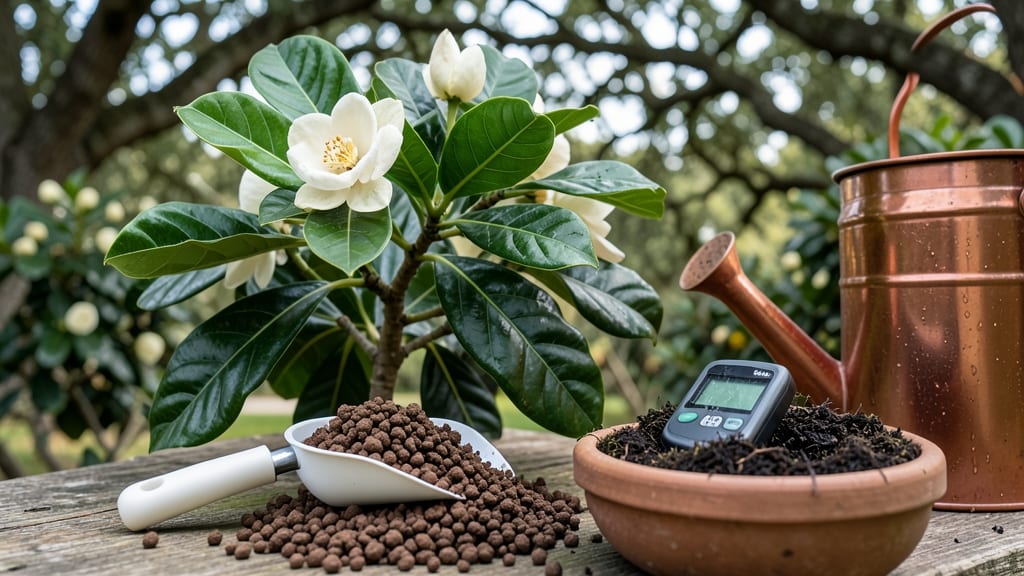
Fertilizing gardenias in Georgia at the right time means the difference between lush, fragrant blooms and struggling shrubs fighting for nutrients in the heat.
Georgia’s humid climate and hot summers demand precise timing for fertilizing gardenias—get it wrong, and you’ll sacrifice those fragrant, glossy blooms you love. But master the right schedule, and your gardenias will thrive year after year.
Most gardeners make the mistake of fertilizing too late in spring or too early in fall, missing the critical bloom windows that your 🌸 gardenias rely on.
The key is feeding them just as new growth starts in early spring and again after the first flush of flowers in late summer.
In this guide, I’ll break down the exact months to fertilize, the best types of fertilizer for Georgia’s soil, and how to spot when your gardenias are begging for nutrients—or when they’ve had enough.

Optimal Georgia fertilization schedule for gardenias: spring vs fall timing
Georgia’s humid subtropical climate creates a unique challenge for gardenia fertilization. Unlike cooler regions, gardenias here demand a precise fertilization window to avoid stress during their blooming season (March–June).
Timing isn’t just about months—it’s about aligning with your plant’s growth cycles and Georgia’s heat spikes, which can burn roots if you fertilize at the wrong time.
Most gardeners make the mistake of fertilizing in summer months when gardenias naturally slow growth to conserve energy. This leads to burnt foliage, stunted blooms, or even plant decline.
The key is to feed your gardenias when they’re actively growing but before the heat stress of July and August kicks in.
| Season | Best Month | Fertilizer Type | Frequency | Key Cue |
|---|---|---|---|---|
| Spring | March–April | Slow-release acid fertilizer (6-6-6) | Every 4 weeks | New growth appears |
| Summer | None | — | Skip | Heat stress risk |
| Fall | September | Light organic feed (compost) | Once | Pre-winter root boost |
| Winter | None | — | Skip | Dormant period |
In Georgia’s USDA zones 7b–8b, your gardenias wake up in early March when daytime temps hit 60°F+. This is your first feeding window—apply a balanced acid fertilizer (like 6-6-6) to support new shoots. Think of it as a growth kickstart before the real blooming push in April.
By late May, gardenias shift into full bloom mode. This is when you’ll see the most fragrant flowers, but it’s also when Georgia’s heat starts ramping up. Stop fertilizing by June—your plants are conserving energy for survival, not growth.
Over-fertilizing now can lead to leaf scorch and weak stems that snap under summer storms.
Fall fertilization is often overlooked, but a light organic feed in September gives gardenias a root energy boost before winter. Use compost or a low-nitrogen fertilizer to avoid stimulating new growth too close to dormancy.
This small step ensures your gardenias enter winter stronger and healthier, ready to rebound in spring.
Georgia’s humidity and clay-heavy soils (common in zones 7b–8a) can trap excess fertilizer salts. Always water deeply after feeding to leach out any runoff, and mulch with pine needles to maintain soil acidity.
Skip winter fertilization entirely—your gardenias are dormant, and feeding now can invite root rot in Georgia’s mild winters.
Pro tip: Pair your March feeding with a soil pH test (target 5.0–6.0). Gardenias hate alkaline soil, and Georgia’s native soils often lean basic. If your test shows pH above 6.5, amend with sulfur before fertilizing to prevent nutrient lockout.
Watch for yellowing leaves or dropped buds after fertilizing—these are red flags. They could mean you’re overdoing it (too much nitrogen) or underdoing it (not enough phosphorus for blooms). Adjust your NPK ratio accordingly: 6-6-6 for balanced growth, or 8-3-9 if you prioritize blooms over foliage.
Remember, gardenias in Georgia aren’t just about timing—they’re about listening to your plant. A gardenia that’s stressed by heat won’t respond well to fertilizer, even at the "right" time.
Pair your feeding schedule with consistent morning watering and afternoon shade to keep your plants thriving through Georgia’s long, humid summers. 🌸
How to choose the right fertilizer for Georgia gardenias: acid-loving plant essentials
Georgia’s gardenias crave acidic soil with a pH between 5.0–6.0—without it, those iconic white blooms will fade fast. The wrong fertilizer can lock out nutrients or burn delicate roots, so choosing wisely is everything.
I’ll break down the organic vs. synthetic debate, ideal NPK ratios, and Georgia-specific products that deliver results without the guesswork.
Start with a soil test—many Georgia nurseries offer kits or testing services. Gardenias hate alkaline soil, so if your test shows pH above 6.5, you’ll need to amend with sulfur or peat moss before fertilizing.
Pro tip: Mix in composted pine needles for a slow-release acid boost that mimics their natural habitat.
For NPK ratios, aim for 6-6-6 or 8-3-9—the balanced nitrogen supports foliage, while phosphorus and potassium fuel blooms. Synthetic options like Miracid Azalea/Camellia (available at Home Depot or Local Nursery) are quick-acting but require monthly applications.
Organic alternatives like fish emulsion or cottonseed meal take longer to work but improve soil health over time.
| Fertilizer Type | Best For | Application Timing | Georgia Availability |
|---|---|---|---|
| Synthetic (Miracid Azalea/Camellia) | Quick bloom boost | March–June, every 4 weeks | Home Depot, Local Nurseries |
| Organic (Fish Emulsion) | Soil health + slow release | March–May, every 6 weeks | Garden Centers, Online |
| Slow-Release Granules (Osmocote) | Low-maintenance feeding | Spring (once) | Lowe’s, Amazon |
| Composted Pine Needles | pH adjustment + mulch | Fall or spring, top-dress | Local Garden Stores |
Avoid high-nitrogen fertilizers like lawn food—they’ll give you lush leaves but fewer blooms. Instead, pair your fertilizer with a 2-inch layer of mulch (cypress or pine) to retain moisture and slowly acidify the soil.
In Georgia’s heat, always water deeply after fertilizing to prevent root burn—aim for 1–2 gallons per plant in the morning.
For container gardenias, cut fertilizer amounts in half but follow the same ratios. Pots dry out faster, so monitor soil moisture closely—over-fertilizing in small spaces leads to salt buildup and root damage.
I’ve seen gardeners in Zone 8a (like Athens) double-dilute synthetic fertilizers during summer to avoid stressing their plants.
Test your soil again in late summer to check pH—Georgia’s summer rains can wash away amendments. If your gardenias still look lackluster, they might need micronutrients like iron or magnesium.
Try a chelated iron supplement (like Ironite) if leaves turn yellow between veins—a classic sign of deficiency in acidic soils.