
How To
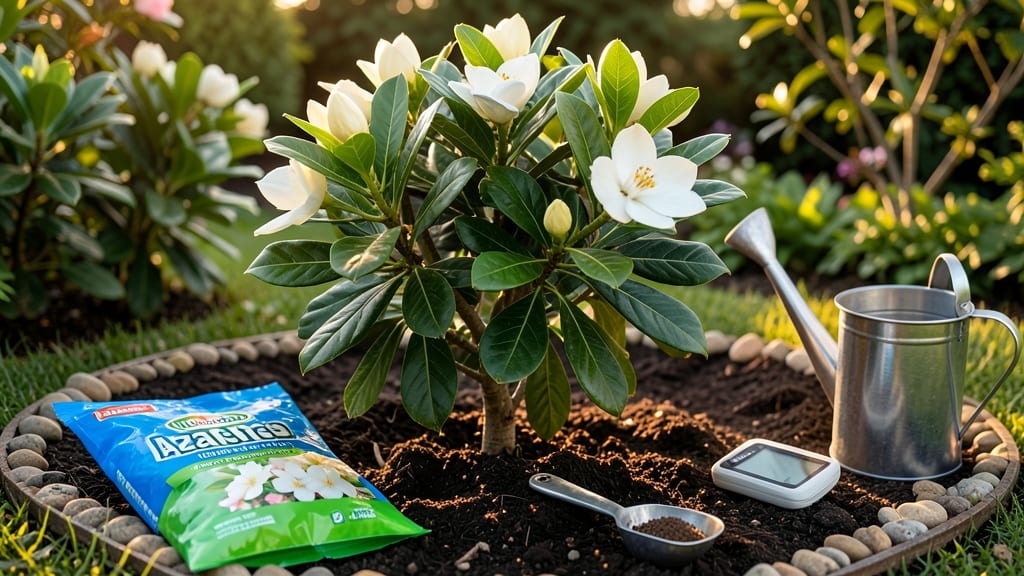
Fertilizing gardenia 🌸 at the right time—spring through early summer—is the key to coaxing those fragrant blooms you’ve been dreaming of.
Picture this: you’ve waited all winter for those lush, glossy leaves to signal new growth, only to see your gardenia throw out buds that never open.
That’s usually a missed feeding window talking. The difference between a bloom explosion and a disappointing show often comes down to when—and how often—you feed it.
Here’s the game-changer: gardenias thrive on a spring kickstart followed by light feedings every 4-6 weeks through summer, with zero fertilizer in fall or winter. But there’s more to it than just timing—climate, soil pH, and even the type of fertilizer (organic vs. synthetic) can shift your schedule.
Let’s break down the exact moments to feed, what to use, and how to tell if you’re overdoing it.
By the end, you’ll know not just when to fertilize but how to read your gardenia’s cues—like leaf color or bud set—to fine-tune your feeding plan for year-round success.

Seasonal fertilizing schedule for gardenia blooms
Your gardenia thrives on precise fertilizing timing, especially since it’s a heavy bloomer that demands nutrients at the right moments. Unlike many plants, gardenias respond best to a seasonal feeding schedule that aligns with their natural growth cycles.
Skipping this step often leads to fewer blooms or leggy, weak growth—so let’s fix that with a science-backed plan.
Gardenias are acid-loving shrubs that need balanced nutrition (high in phosphorus for blooms) but hate overfeeding. The key is feeding lightly during active growth (spring/summer) and resting in fall/winter.
Organic and synthetic fertilizers both work, but the timing is what truly makes the difference for those fragrant white blooms you love.
| Season | Months | Fertilizer Type | Frequency | Key Notes |
|---|---|---|---|---|
| Spring | March-May | Acidic 8-6-12 NPK | Every 4 weeks | Start when buds form; use slow-release granules. |
| Summer | June-August | Light organic feed (fish emulsion) | Every 6 weeks | Reduce feeding in high heat; water after applying. |
| Fall | September-November | None | Skip | Encourage dormancy; stop feeding by September. |
| Winter | December-February | None | Skip | Plant is dormant; no fertilizer needed. |
Spring is the golden window for gardenia fertilization because this is when your plant shifts from dormancy to active growth. Begin feeding in early March (or when you spot new leaves) with a slow-release acidic fertilizer (like 8-6-12 NPK).
This ratio prioritizes phosphorus for blooms while supporting root and foliage health. Apply it early in the morning to avoid leaf burn from heat.
In summer months, switch to a lighter feeding schedule—every 6 weeks instead of 4. High temperatures stress gardenias, so organic options like fish emulsion or compost tea are gentler. Always water your plant deeply after fertilizing to help nutrients absorb into the soil without damaging roots.
Fall and winter are non-negotiable rest periods for gardenias. By September, stop fertilizing entirely to let your plant prepare for dormancy. Resuming too late can spur weak late-season growth that won’t survive winter.
In winter, focus only on light watering—no fertilizer is needed until buds appear in spring.
For organic vs. synthetic debates, both work—but organic options (like compost tea or cottonseed meal) improve soil health long-term. Synthetics (like Miracle-Gro Azalea) offer quick nutrient boosts.
My recommendation? Use organic in spring for soil prep and synthetic in summer for a bloom boost, then switch back to organic in the next growing season.
Pro tip: Test your soil pH every spring—gardenias need acidic soil (4.5-6.0). If your soil is too alkaline, add sulfur or peat moss to the fertilizer mix. This small adjustment can double your bloom count in just one season.
Watch for over-fertilization signs like yellow leaves or leaf drop—these mean you’re feeding too much. Under-fertilized gardenias show pale green leaves or sparse blooms. Adjust your schedule based on your plant’s response, and soon you’ll have a bloom-heavy gardenia that’s the envy of the neighborhood.
Ready to transform your gardenia’s blooms? Grab your acid-loving fertilizer, mark your calendar for March and June feedings, and watch those fragrant white flowers multiply. Your gardenia will thank you with lush, healthy growth and show-stopping blooms all season long. 🌸
Growth-stage fertilizing tips for healthy gardenias
Fertilizing your gardenia isn’t a one-size-fits-all task—it changes dramatically based on whether your plant is a young seedling, a mature shrub, or recovering after blooming. Each stage demands a different approach to avoid stunting growth or burning delicate roots.
I’ve learned the hard way that over-fertilizing young plants can actually kill them, while established gardenias need a steady nutrient supply to reward you with those fragrant white blooms.
For young seedlings (first year), focus on gentle root development rather than blooms. Use a half-strength balanced fertilizer (like 10-10-10) every 6-8 weeks starting in early spring. The goal here is to build a strong root system that can support future growth.
Avoid high-nitrogen fertilizers—they’ll push leafy growth at the expense of root establishment, leaving your seedling vulnerable to stress.
Established gardenias (years 2-3+) need a higher phosphorus boost to encourage flowering. Switch to an acid-loving plant fertilizer (like 8-6-12) and apply it every 4-6 weeks from spring through early summer.
This timing aligns with their natural blooming cycle, giving them the nutrients they need to produce those show-stopping flowers.
⚠️ callout-warning ⚠️
⚠️ Critical Timing Alert!
Fertilizing at the wrong time can harm your gardenia. Never fertilize when your plant is already stressed—like after transplanting, during extreme heat, or when it’s actively blooming. Post-bloom (late summer), switch to a low-nitrogen fertilizer or compost tea to help the plant recover without encouraging new growth that won’t harden off before winter.
✅ Do fertilize: Early spring (new growth), mid-summer (light feed)
❌ Avoid fertilizing: Fall/winter (dormancy), during blooming, or after pruning
After your gardenia finishes blooming, it enters a recovery phase where it needs gentle care to store energy for next year. Cut back on fertilizers in late summer and switch to a low-phosphorus option (like 5-5-5) or organic compost.
This helps the plant harden off before winter without promoting tender new growth that could freeze. Think of it like helping your gardenia "close the books" on the growing season—it’s time to rest, not feast.
Watch for signs of over-fertilization, like yellowing leaves, crusty soil, or burnt root tips. These are clear signals to flush the soil with water and hold off on feeding for 4-6 weeks.
On the flip side, under-fertilized gardenias show slow growth, pale leaves, and few (or no) blooms. If you see these signs, it’s time to increase frequency slightly and use a balanced fertilizer to bring it back to equilibrium.
Pro tip: Test your soil every 2-3 years to ensure it stays in the acidic range (pH 4.5-6.0). Gardenias are finicky about pH—too alkaline, and they’ll refuse to bloom no matter how much fertilizer you add.
A simple soil test kit (around $10) can save you from wasting money on fertilizers your plant can’t even use! 🌸