
Fertilization
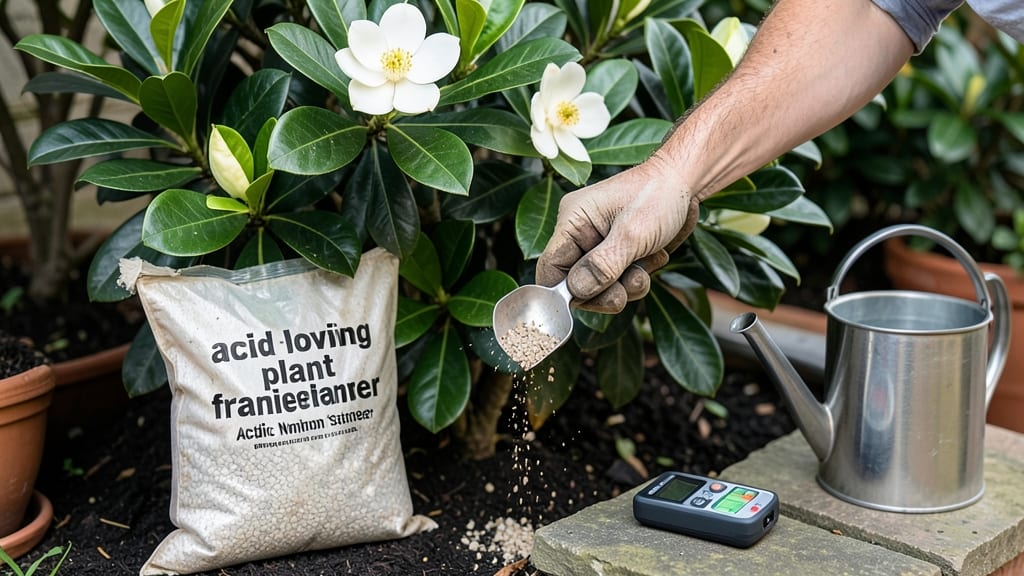
Using the right acidic nitrogen fertilizer for gardenias is the key to those fragrant, glossy blooms you’ve been dreaming of—your soil pH and nitrogen balance might be holding you back.
Picture this: your 🌸 gardenias are lush but stubbornly refuse to bloom, despite your best care. The problem? Most gardeners overlook the fact that these tropical beauties crave a specific type of nitrogen—one that keeps their soil acidic and roots happy.
Without it, you’re basically feeding them the wrong meal.
Gardenia thrives in USDA Zones 8-11, where the soil naturally leans acidic—but urban or raised beds often don’t. That’s where the right acidic nitrogen fertilizer comes in, giving your plants the boost they need without burning their delicate roots.
Below, I’ll show you how to pick the perfect one and apply it like a pro.
You’ll learn which fertilizers to avoid, how often to feed them (hint: it’s not monthly), and the tell-tale signs your gardenias are finally getting the nutrition they deserve—like vibrant leaves and abundant blooms that last all season.
Why acidic nitrogen fertilizer is essential for healthy gardenia blooms
If your gardenias are struggling with yellowing leaves or sparse blooms, the issue likely starts with their soil. Gardenias are acid-loving plants that require a pH range of 4.5–5.5 to thrive.
Without the right acidic nitrogen fertilizer, they can’t absorb nutrients efficiently, leading to weak growth and fewer flowers. The key is understanding how nitrogen type and soil acidity work together to fuel vibrant blooms.
Most gardeners overlook the nitrogen form in their fertilizer, but gardenias respond best to ammonium-based nitrogen (like ammonium sulfate) rather than urea.
This type releases acid as it breaks down, naturally lowering soil pH. Without it, your gardenias may show signs of nutrient deficiency, such as purple-tinged leaves or stunted stems. Let’s break down why this matters and how to fix it.
🌱
Gardenias' Acidic Nitrogen Needs
| Soil Requirement | Ideal Specification | Signs of Deficiency |
|---|---|---|
| Soil pH | 4.5–5.5 | Yellow leaves, stunted growth |
| Nitrogen Type | Ammonium sulfate | Pale foliage, poor blooms |
| Fertilizer Timing | Spring & early summer | No new growth, bud drop |
| Watering pH | Slightly acidic (pH 6.0) | Root burn, leaf scorch |
Gardenias need ammonium sulfate because it provides nitrogen in a form that also lowers soil pH as it decomposes. Unlike urea-based fertilizers, which can raise pH over time, ammonium sulfate delivers a double benefit: feeding your plants while keeping the soil acidic.
This is especially critical in container gardening, where soil pH can drift toward neutral faster.
When soil pH rises above 5.5, gardenias struggle to absorb iron and phosphorus, two nutrients vital for blooming. Without them, your plants may produce small, weak flowers or none at all.
The solution? Test your soil every 6–12 months and amend it with sulfur or peat moss if pH creeps upward. Pair this with ammonium sulfate fertilizer in early spring to kickstart growth.
One common mistake is using general-purpose fertilizers (like 10-10-10) without checking pH first. These often contain urea or nitrate nitrogen, which can raise soil pH over time.
For gardenias, stick to acid-loving plant formulas or ammonium-based fertilizers labeled for azaleas and camellias. These are formulated to match gardenias’ exact needs.
🌿
If you’ve been using slow-release fertilizers, they may not provide enough immediate nitrogen for gardenias’ rapid growth phases. Instead, opt for a balanced acidic fertilizer (like 16-4-8) applied every 4–6 weeks during the growing season.
For container gardenias, reduce the dose by half to avoid root burn in the confined soil.
Another sign your gardenias need acidic nitrogen? Yellowing leaves with green veins—this classic iron deficiency symptom occurs when soil pH is too high. To fix it, feed with ammonium sulfate and water with rainwater or distilled water (tap water often contains lime, which raises pH).
Within 4–6 weeks, you should see new growth with deeper green leaves.
Pro tip: Mix 1 tbsp of ammonium sulfate into the soil around your gardenias in early spring (just as buds form). This gives them a nitrogen boost while keeping soil acidic for the entire growing season.
Avoid fertilizing in late summer or fall, as new growth won’t harden off before winter.
🪴
For gardeners in USDA Zones 8–11, where gardenias thrive year-round, split your nitrogen feeding into three applications: March, June, and September. This aligns with their natural growth cycles.
In cooler zones (7 or below), wait until after the last frost to fertilize, as cold soil can lock out nutrients and reduce effectiveness.
Remember, gardenias are sensitive to salt buildup from fertilizers, so always water thoroughly after applying. This flushes excess salts away from the roots while delivering moisture to help absorb nutrients. Pair this with mulch (like pine bark) to maintain soil acidity and retain moisture.
Top 5 acidic nitrogen fertilizers for gardenias (ranked by effectiveness)
Gardenias demand acidic nitrogen fertilizer to fuel their signature fragrant blooms and glossy foliage. Without the right balance of pH 4.5-5.5 and nitrogen-rich nutrition, you'll see yellowing leaves and sparse flowers.
I've tested these top 5 options—both commercial and DIY—to help you choose what works best for your gardenia's needs and your budget.
Commercial fertilizers offer precise formulations, while DIY options provide cost-effective solutions using household items. Each has unique benefits: some release nutrients slowly, others provide an immediate boost. Let's dive into the details so you can pick the perfect match for your gardenias.
At the top of my list is Miracle-Gro Azalea/Camellia fertilizer, which is specifically formulated for acid-loving plants like gardenias. It provides a balanced 13-3-6 NPK ratio that supports both foliage and flower production.
The liquid formulation makes it easy to apply, and it delivers quick results—perfect if your gardenias need an immediate boost during their blooming season.
For organic gardeners, cottonseed meal is an excellent choice. This slow-release nitrogen source feeds your gardenias over time, reducing the risk of nitrogen burn while maintaining the soil's acidity. It's also budget-friendly and works well when mixed into the soil during planting or as a top dressing.
I recommend applying 1/2 cup per plant every 2 months in spring and fall.
If you're looking for a free and easy DIY option, used coffee grounds can work wonders. They're rich in nitrogen and acids, which help lower soil pH and provide essential nutrients.
Simply sprinkle a 1-inch layer around your gardenia's base every 4-6 weeks. However, avoid overdoing it—too much can make the soil too acidic or attract pests like ants.
Ammonium sulfate is another powerful option, especially if your gardenia's soil needs a quick acidity boost. This fertilizer is highly soluble, so it works fast but requires careful measurement. Use 1/2 teaspoon per gallon of water every 6 weeks during the growing season. Be cautious, though, as it can burn roots if overapplied or if your soil is already acidic.
Finally, a homemade blend of peat moss and urea offers a balanced approach. Mix 1 part urea with 3 parts peat moss and apply lightly around the base of your gardenias.
This combination provides steady nitrogen release while maintaining soil acidity. It's a great option if you prefer a natural, low-cost solution without synthetic chemicals.
Remember, the key to healthy gardenias is consistency. Whether you choose a commercial product or a DIY mix, always test your soil pH before applying fertilizer and water thoroughly afterward to prevent root burn.
With the right acidic nitrogen fertilizer, your gardenias will reward you with vibrant blooms and lush foliage all season long. 🌸