
Planting
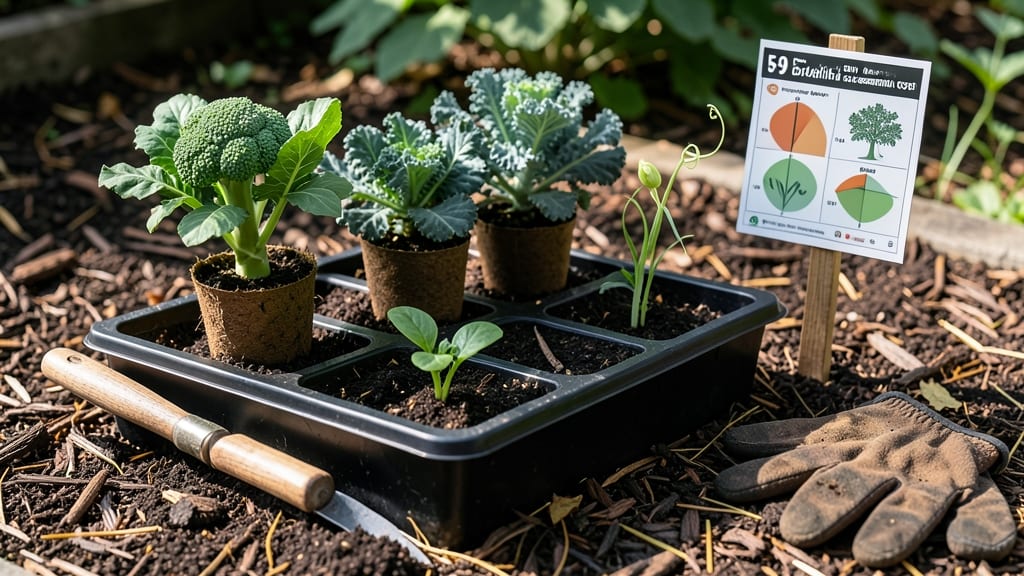
Planting a garden in Ohio at the right time means the difference between a bumper crop and a season of disappointment — and the best window opens just after your last frost, typically by mid-April.
Ohio’s unpredictable spring weather can turn your gardening dreams into a gamble, but mastering the zone-specific deadlines for your region is your secret weapon. Whether you’re in Columbus, Cincinnati, or Cleveland, timing your 🌱 General Garden Vegetables right ensures they thrive when the soil warms and the frost risks fade.
Most Ohio gardeners wait until the soil hits 60°F and the average last frost date has passed — usually around April 15, though northern zones like 6a may need an extra week.
Cool-season crops like spinach and peas can go in earlier, while tomatoes and peppers need warmer soil to take off.
In this guide, I’ll break down the exact planting windows for every major crop, share Ohio-specific tips to avoid common mistakes, and help you plan your garden so you’re harvesting fresh produce from May through October.
Ohio planting zones explained: when to start seeds vs. transplants
Ohio’s USDA Planting Zones 5b and 6b create a unique gardening challenge—where last frost dates can vary by 2-3 weeks between northern and southern regions. Understanding these zones helps you decide whether to direct-sow seeds or transplant seedlings for maximum success.
In Zone 5b (north), the average last frost arrives around April 20th, while Zone 6b (south) typically sees frost-free conditions by April 5th. This difference means your tomato seedlings in Cincinnati may be ready to plant weeks before those in Toledo!
For cool-season crops like spinach, peas, and kale, timing is critical—they thrive in 50-60°F soil and can handle light frosts. Plant these 4-6 weeks before your last frost date, often as early as March in Zone 6b or late March in Zone 5b.
Meanwhile, warm-season crops such as tomatoes, peppers, and basil need soil temperatures above 60°F and should wait until 2 weeks after your last frost, usually May 1st in southern Ohio or May 15th in the north.
Starting seeds indoors is a game-changer for Ohio gardeners. For tomatoes and peppers, begin seeds 6-8 weeks before transplanting, which means early March for Zone 6b and late March for Zone 5b. Leafy greens like lettuce and spinach can be started indoors 4-6 weeks before last frost, giving you an early jump on the growing season. Use a grow light to prevent leggy seedlings, and harden them off for 7-10 days before transplanting outdoors.
Here’s how Ohio’s zones break down for your planting strategy:
| Planting Strategy | Zone 5b (Northern OH) | Zone 6b (Southern OH) | Key Consideration |
|---|---|---|---|
| Cool-Season Crops (Spinach, Peas, Kale) | March 20 - April 10 | March 1 - March 20 | Soil temp 50-60°F; can tolerate light frost |
| Warm-Season Crops (Tomatoes, Peppers, Basil) | May 15 - June 1 | May 1 - May 15 | Soil temp above 60°F; wait 2 weeks after last frost |
| Indoor Seed Start (Tomatoes, Peppers) | Late March (6-8 weeks before transplant) | Early March (6-8 weeks before transplant) | Use grow lights; harden off seedlings for 10 days |
| Fall Planting (Broccoli, Carrots) | August 1 - September 1 | August 15 - September 15 | Plant 6-8 weeks before first frost for harvest |
| Last Frost Date | April 20 (±5 days) | April 5 (±5 days) | Check local Almanac for precise dates |
One of my biggest mistakes early on was planting tomatoes too soon in Zone 5b—only to watch them wilt from a late frost in early May. Now, I use row covers for extra protection or wait until mid-May to be safe.
For peppers and eggplants, which are even more sensitive to cold, I always start seeds indoors and transplant after Memorial Day, regardless of zone.
Ohio’s microclimates add another layer of complexity. Urban areas like Columbus and Cleveland may experience earlier last frosts than rural areas, while southern Ohio’s river valleys often warm up faster.
To account for this, I recommend monitoring local weather and using a soil thermometer—60°F soil is your green light for warm-season crops, no matter what the calendar says!
For succession planting, plan to sow bush beans and lettuce every 2 weeks from May through July. This ensures a continuous harvest and maximizes your garden’s potential. In Zone 6b, you might even squeeze in a
Month-by-month Ohio planting calendar: what to plant when
Ohio’s gardening season stretches from early March to late October, but the key is knowing when to plant each crop to avoid frost damage. Northern Ohio (Zone 5b) has a shorter growing season than southern Ohio (Zone 6a), so timing matters.
Start with cold-hardy greens in spring and transition to heat-loving tomatoes by summer.
Use the last average frost date (April 15 in northern Ohio, April 1 in southern Ohio) as your guide. For warm-season crops like peppers, wait until soil reaches 60°F—usually mid-May. Fall planting starts in August for cool-season crops like kale and carrots, which thrive until the first frost.
Pro Tip: Adjust for microclimates—urban areas may warm faster than rural spots. Always check your local frost-free days (165 days in Zone 6a) to plan succession plantings.
| Month | Plant | Zone 5b (North) | Zone 6a (South) |
|---|---|---|---|
| March | Peas, Spinach, Lettuce | Direct sow under row covers | Direct sow or start indoors |
| April | Carrots, Radishes, Onions | After last frost (April 15) | Early April for cold-tolerant crops |
| May | Tomatoes, Peppers, Cucumbers | Transplant after soil warms (May 15) | Transplant by May 1 |
| June | Beans, Corn, Squash | Direct sow after last frost | Direct sow by June 10 |
| August | Broccoli, Kale, Lettuce | Start 8 weeks before frost | Direct sow by August 15 |
| September | Garlic, Spinach, Radishes | Plant 6 weeks before frost | Plant by September 10 |
For succession planting, sow fast-growing crops like radishes or lettuce every 2 weeks from April to August. In southern Ohio, you can even extend the season by 2–3 weeks with row covers or cold frames.
Always monitor soil temperature—warm-season plants like tomatoes won’t thrive until the ground reaches 60°F. Use a soil thermometer to avoid delays. In northern Ohio, prioritize quick-maturing varieties to maximize harvests before the first frost.
Fall is your second chance! Plant cool-season crops like kale and carrots in August for a harvest before winter. Mulch heavily to protect roots from early frosts and extend the season by 4–6 weeks.