
Planting
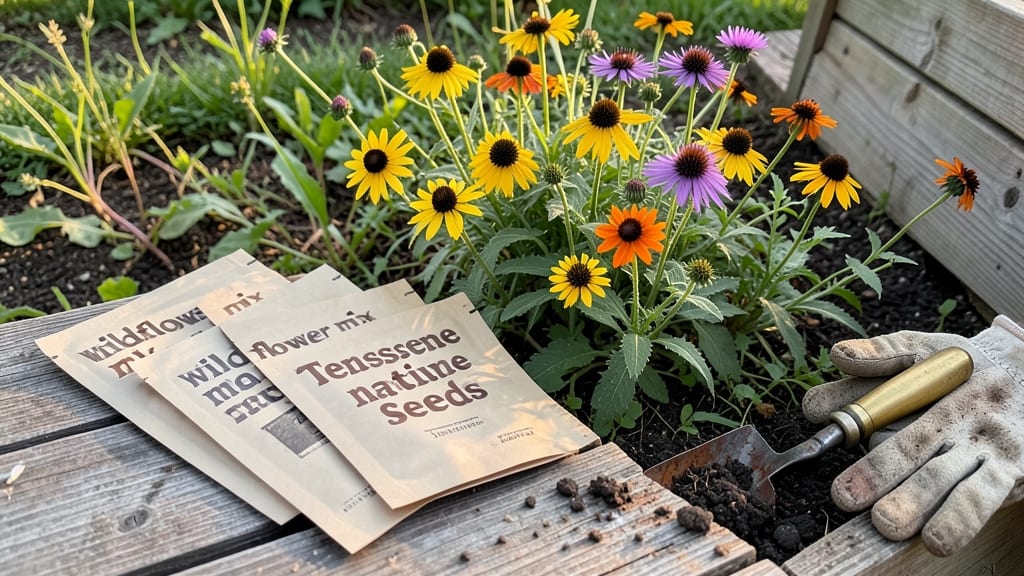
Planting a garden in Tennessee at the right time means the difference between a bountiful harvest and a season of disappointment.
Tennessee’s diverse climate—from the Smoky Mountains to Nashville’s urban heat islands—means your 🌱 garden’s success hinges on timing. Miss the frost-free window, and your tomatoes or peppers could bolt in the heat or freeze before fruiting.
Here’s how to pinpoint the best planting months for your zone, whether you’re in East Tennessee’s cooler hills or Middle Tennessee’s warmer valleys.
Cool-season crops like lettuce and spinach thrive when soil temperatures dip below 70°F, while warm-season favorites such as peppers and cucumbers need to wait until after the last frost—typically mid-April in Zone 7a and early May in Zone 7b. But there’s more to it than dates: soil warmth, microclimates, and even your elevation play a role.
In this guide, you’ll find a month-by-month breakdown of what to plant when, plus strategies to extend your growing season—so you can enjoy fresh produce from spring through fall, no matter where in Tennessee you garden.
Tennessee’s frost-free dates by Zone (7a vs. 7b): the exact planting windows you need
Understanding Tennessee’s frost-free dates is the first step to a thriving garden. In Zone 7a, the last spring frost typically arrives between April 15 and May 1, while Zone 7b gardeners usually see frost-free conditions by May 1–15.
These dates shift slightly each year, so always check local forecasts before planting warm-season crops like tomatoes or peppers. First frosts usually hit between October 15 and November 1, cutting short the growing season if you’re not prepared.
Your exact frost dates depend on elevation and location. Valleys and low-lying areas tend to frost earlier than ridges or higher elevations. For example, Nashville’s Zone 7a might see frost by April 20, while the Cumberland Plateau’s Zone 7b could wait until May 10.
Always verify with your local Cooperative Extension Service for hyper-local data, as microclimates can shift planting windows by weeks.
Cool-season crops like spinach, kale, and broccoli thrive when planted 4–6 weeks before the last frost. Warm-season crops, such as beans, squash, and cucumbers, need to wait until 2–3 weeks after the last frost to avoid damage.
In Tennessee, this often means starting warm-season seeds indoors in March and transplanting after May 1.
Here’s a quick reference for adjusting your planting timeline based on Tennessee’s Zone 7a vs. 7b differences:
| Crop Type | Zone 7a Planting Window | Zone 7b Planting Window | Notes |
|---|---|---|---|
| Cool-Season (Spinach, Lettuce, Peas) | March 15–April 15 | March 20–April 20 | Direct sow 4–6 weeks before last frost |
| Warm-Season (Tomatoes, Peppers, Eggplant) | May 1–May 15 (transplant) | April 25–May 10 (transplant) | Start indoors in March; soil must be 60°F+ |
| Fast-Growing Warm-Season (Beans, Cucumbers, Squash) | May 15–June 1 (direct sow) | May 1–May 15 (direct sow) | Tolerates slight frost risk; monitor forecasts |
| Fall Crops (Kale, Carrots, Radishes) | August 1–September 1 | August 15–September 15 | Avoid planting after September 15 in 7a; 7b can extend to October 1 |
If you’re in a valley or near a lake, expect frost to arrive 3–5 days earlier than the average. Conversely, ridges and south-facing slopes warm up faster, giving you an extra week to plant.
Use frost cloth or row covers to protect tender seedlings if you’re pushing the limits of your zone’s frost-free date.
For warm-season crops, soil temperature matters more than air temperature. Use a soil thermometer to confirm the ground has warmed to at least 60°F before transplanting peppers or eggplants.
In Zone 7a, this often means waiting until late May, while Zone 7b can start as early as mid-April in ideal conditions.
Don’t forget about succession planting to maximize your harvest. In Tennessee, you can often squeeze in 2–3 rounds of fast-growing crops like radishes, lettuce, or bush beans by planting every 2–3 weeks after your initial sowing.
This strategy works especially well for Zone 7b, where the growing season is slightly longer.
First frosts in Tennessee typically arrive between October 15 and November 1, but Zone 7b areas may hold off until early November. To extend your harvest, plant cold-hardy crops like spinach, garlic, and onions in early September.
For warm-season crops still producing, use row covers or cold frames to buy an extra 2–3 weeks of growing time.
Tennessee’s diverse microclimates mean your March peas might thrive while your July tomatoes need extra shade in Nashville vs. the Smokies. To avoid frost damage or wilting heat stress, I’ve mapped out the optimal planting windows for Tennessee’s Zone 7a-7b regions. Whether you’re a beginner gardener or a seasoned pro, these month-by-month tips will help you time your plantings like a local. Key rule: Cool-season crops (like lettuce and spinach) belong in early spring and fall, while warm-season crops (tomatoes, peppers) need soil temps above 60°F. Miss this, and your seedlings could bolt or rot. Let’s dive into the month-by-month survival guide that keeps Tennessee gardens thriving.
Pro Tip: Use soil thermometers to check 60°F+ for warm-season crops. Missed the window? Try container gardening for late starts! 🌿
April is your sweet spot for warm-season prep. Start pepper and tomato seedlings indoors in late March, then harden them off by early April. Direct-sow beans and squash once night temps stay above 50°F. Why? These crops bolt (flower prematurely) if shocked by cold snaps—a common Tennessee pitfall in Zone 7a. May is ideal for squash in Zone 7b because: 1. Soil warms to 70°F+, speeding germination. 2. Pests like squash bugs are less aggressive early in the season. 3. Longer daylight boosts vine growth for bigger yields. Pro tip: Use black plastic mulch to retain heat and prevent soil-borne diseases. ☀️ June through August is peak heat, so water deeply in the morning to avoid fungal diseases. Succession planting every 2 weeks keeps your kitchen garden productive. Avoid planting melons before July 1—they wilt in Zone 7a’s 90°F+ temps. Instead, try heat-tolerant varieties like ‘Sugar Baby’ watermelon. Fall planting in September-October rewards patient gardeners with crisp greens and sweet potatoes. Direct-sow spinach and radishes by Sept 15 for harvest before first frost (Oct 15 in Zone 7a). Transplant broccoli and cabbage with row covers to extend the season until November. 🍂Best crops to plant in Tennessee by month: a month-by-month survival guide
🌱 Tennessee Planting Calendar: Zone 7a-7b