
Tools
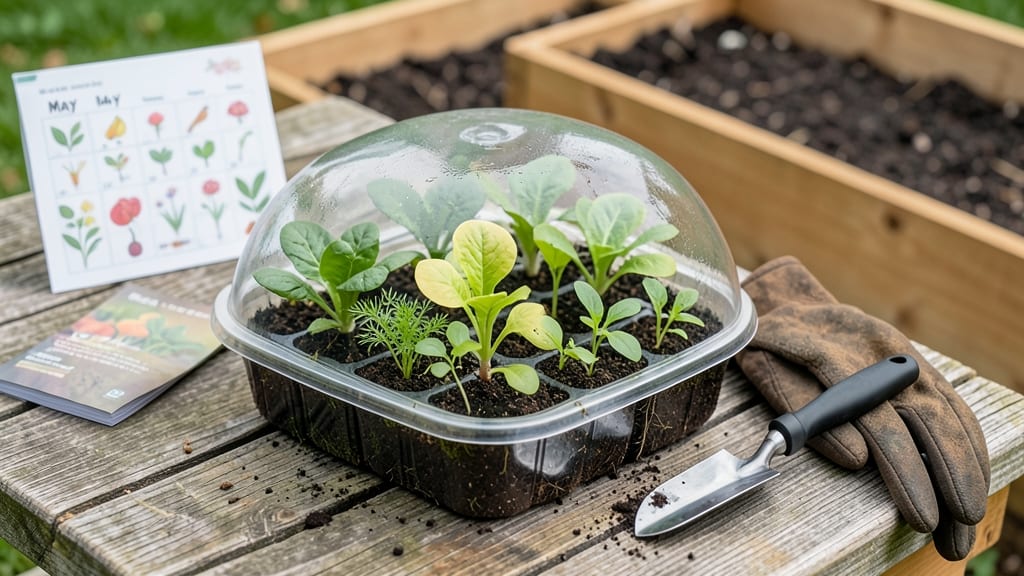
Starting a vegetable garden at the right time means the difference between a thriving harvest and wasted effort—so you’ll want to know exactly when to begin planting based on your zone.
Timing your vegetable garden perfectly can mean the difference between a bountiful harvest and wasted seeds—so when exactly should you start planting? 🥕 Whether you’re sowing cool-season crops like lettuce or warm-season favorites like tomatoes, getting the timing wrong can leave you with nothing to show for your hard work.
In USDA Zone 6a, where spring arrives around mid-April and frost lingers until October, the ideal window for starting your vegetable garden opens in early spring—4-6 weeks before your last frost.
This gives seedlings enough time to mature before summer heat sets in, while still avoiding the risk of a late freeze.
Below, I’ll break down how to calculate your exact planting window, including soil temperature tips, seed-starting deadlines, and how to extend your growing season—so you can start with confidence and enjoy a garden that keeps giving all season long.
Zone-specific planting deadlines: when to start seeds indoors vs. outdoors
Getting your vegetable garden timing right means avoiding those heartbreaking moments when a late frost wipes out your tender seedlings or when you miss the growing season entirely. The key lies in understanding your USDA hardiness zone and calculating your last frost date.
For example, in Zone 5, you might start seeds indoors in March, while in Zone 9, you could be planting outdoors in January. Each zone has its own rhythm, and missing the window can mean the difference between a thriving garden and wasted effort.
Cool-season crops like lettuce and spinach thrive in cooler temperatures, so they often go in the ground 4-6 weeks before your last frost. On the other hand, warm-season plants like tomatoes and peppers need to wait until the soil is warm enough—usually 2 weeks after your last frost.
Even within these guidelines, your exact timing depends on whether you're starting seeds indoors or sowing directly outdoors, and whether you're planting for spring or fall harvests.
Here’s the breakdown you need to plan your garden like a pro, tailored to your zone:
If you're in Zone 3 or 4, you’ll want to start your tomato seeds indoors as early as February to give them enough time to mature before the first frost.
Meanwhile, gardeners in Zone 9 or 10 can enjoy a longer growing season and might even plant fall crops like lettuce in August or September. The key is to work backward from your last frost date—most vegetables need 60-90 days to reach maturity, so adjust your planting schedule accordingly.
For cool-season crops, like broccoli or peas, you can often sow seeds directly outdoors 2-3 weeks before your last frost. These hardy plants can even tolerate light frosts, making them ideal for early spring planting.
In contrast, warm-season crops like peppers and eggplants need to wait until the soil temperature reaches at least 60°F, which is why starting them indoors is often the best strategy.
Don’t forget about fall planting if you live in a warmer zone! Many vegetables, like kale and radishes, can be sown in late summer for a fall harvest.
Just remember to calculate your first frost date and plant seeds 8-10 weeks before it hits. This way, you’ll have time to enjoy a second harvest before winter sets in.
One of the biggest mistakes I see gardeners make is ignoring soil temperature. Even if the air feels warm, cold soil can stunt seed germination.
Use a soil thermometer to check that your soil is warm enough—typically 50°F or higher for cool-season crops and 60°F or higher for warm-season crops. If your soil is still too cold, hold off on planting until conditions improve.
Pro tip: Use row covers or cold frames to extend your growing season in cooler zones. These simple tools can protect your plants from late frosts and even allow you to plant earlier in the spring.
For example, in Zone 5, I’ve successfully planted spinach as early as late March by using a row cover to shield it from unexpected frosts.
Finally, always keep an eye on your local weather forecasts and historical frost data. While these guidelines give you a solid starting point, Mother Nature doesn’t always follow the script. Stay flexible, and don’t hesitate to adjust
How to calculate your local frost dates and adjust planting times
Understanding your local frost dates is the secret to planting vegetables at the perfect time. A late frost can wipe out tender seedlings, while planting too late might leave you with a short harvest season.
The key is balancing historical frost data with your unique microclimate—whether you’re in a city heat island or a rural valley. Let’s break down how to calculate your frost-free window so you can adjust planting times like a pro.
Start by checking your USDA hardiness zone and average last spring frost and first fall frost dates. These dates vary dramatically—from late April in Zone 5 to early November in Zone 9.
For example, if your last frost is April 15, you’ll need to start warm-season crops like tomatoes indoors by early March to transplant them after the frost. Cool-season crops like spinach, however, can often handle light frosts and may be planted earlier.
⚠️ callout warning ⚠️
3 Common Mistakes That Ruin Planting Timing
- Ignoring soil temperature: Seeds need warm soil (60°F+) to germinate—cold soil can delay growth for weeks.
- Overestimating frost protection: Row covers help, but they won’t save heat-loving plants like peppers from a hard frost.
- Planting heat-lovers too early: Tomatoes and peppers thrive in 70°F+ soil—planting them before your last frost risks stunted growth.
Pro Tip: Use a soil thermometer to confirm temperatures before planting warm-season crops.
Next, use free tools like the NOAA Frost/Freeze Tool or Plant Maps to find your historical frost dates. These platforms provide 30-year averages, giving you a solid baseline.
For instance, if Plant Maps shows your last frost is May 1 in your area, count backward: most vegetables need 6-8 weeks to mature, so aim to plant by mid-March for a summer harvest.
Adjust for your plants’ specific needs—leafy greens like lettuce tolerate cooler temps and can go in earlier.
Don’t forget to account for microclimates—your garden might not match the average for your ZIP code. Urban areas often stay warmer due to heat islands, while valleys can be colder. Observe your garden’s behavior over a few years: note where frost lingers longest or where plants thrive unexpectedly.
For example, a south-facing slope might warm up faster than the rest of your yard, allowing you to plant heat-lovers a week earlier.
Create a DIY frost-date worksheet to track your progress. List your last frost date, first frost date, and key planting deadlines for your top crops. Include columns for seed-starting indoors, transplanting outdoors, and harvest windows. For example:
- Tomatoes: Start seeds indoors 6 weeks before last frost; transplant 2 weeks after last frost.
- Lettuce: Sow directly 4-6 weeks before last frost (tolerates light frost).
- Peppers: Start seeds indoors 8-10 weeks before last frost; transplant when soil is 70°F+.
Finally, use season extension tools to push your planting windows. Cold frames, row covers, and hoop houses can add 2-4 weeks to your growing season, letting you plant earlier in spring or later in fall. For example, in Zone 6, a cold frame might let you grow spinach until early December, while a low tunnel could extend your tomato harvest into October. Combine these tools with your frost-date calculations to maximize your garden’s productivity.
By mastering your local frost dates and adjusting for microclimates, you’ll avoid the heartbreak of lost plants and enjoy a longer, more productive growing season. Start with the tools and data at your fingertips, then fine-tune over time based on your garden’s unique conditions. Happy planting! 🌱