
Pests and Diseases
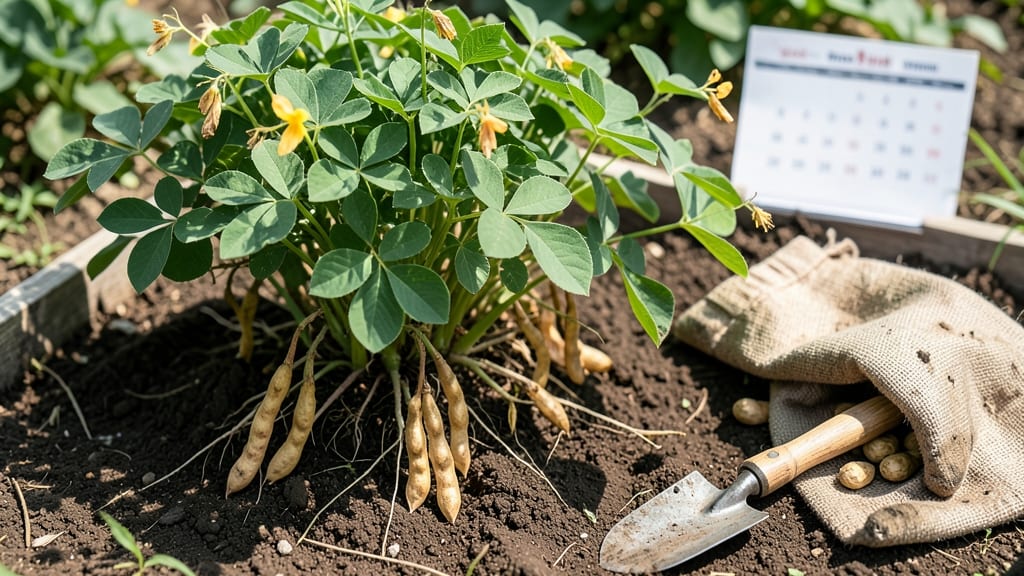
Peanuts reach harvest time between September and October, when the pods are fully mature and the leaves start yellowing 🥜 — but timing can shift by weeks depending on where you live.
Picture this: you’ve spent months nurturing your peanut plants, only to dig up a crop that’s either shriveled or still underdeveloped. That’s why knowing the exact signals—like dry soil, yellowing foliage, or pods rattling when shaken—isn’t just helpful, it’s essential.
In warmer climates like the South, peanuts may be ready as early as late August, while in cooler zones like 6a, you might not see peak yield until October. The key? Monitoring soil temperature and watching for those telltale signs of maturity.
Below, I’ll break down the best months for your region, how to test pod readiness without damaging the crop, and what to do if you miss the window—because even experienced gardeners sometimes get it wrong.

Peanut harvest time by US growing region: exact months for maximum yield
Getting your peanut harvest timing right depends heavily on where you live in the U.S. Peanuts need 90-120 days of warm growing conditions, but regional climate differences shift the calendar dramatically.
In Southern states, you might harvest as early as late August, while Northern gardeners often wait until October or even November. The key is watching for leaf yellowing and pod maturity—not just following a calendar.
Soil temperature plays a critical role in peanut development. Peanuts need consistent warmth above 70°F for proper pod formation.
If your summer cools off too early, your crop may never mature. Southern gardeners often enjoy longer growing seasons, while Northern regions face tighter windows between the last frost and first frost. Let's break down the exact harvest windows by region so you can plan accordingly.
| Region | Harvest Window | Key Maturity Signs | Soil Temp Trigger |
|---|---|---|---|
| Southern (TX, LA, GA, FL) | Late August - Early October | Leaves yellow, pods rattle when shaken | 75°F+ for 6+ weeks |
| Mid-Atlantic (NC, SC, VA) | Mid-September - Mid-October | Foliage dies back, pods 2-3" long | 80°F+ for 5+ weeks |
| Northern (OH, IN, MO) | Late September - November | Leaves turn brown, soil cracks when dry | 85°F+ for 4+ weeks |
In the South, where summers are long and hot, peanuts often mature quickly. I've seen Texas gardeners harvest as early as late August if they planted early and maintained warm soil.
The key sign is when 50% of leaves turn yellow—this is your cue to start checking pods. In Florida, some varieties even produce two harvests if planted at different times.
For Mid-Atlantic states like North Carolina and Virginia, the harvest window shifts to September. Here, you'll need to watch for foliage dieback and pod rattling—a sure sign the shells have hardened.
I recommend testing a few pods by digging them up when leaves start yellowing. If the pods are 2-3 inches long and firm, it's time to harvest.
Northern gardeners in states like Ohio and Indiana face the biggest challenges with peanut harvesting. The growing season is shorter, so timing is everything.
You'll likely harvest in October or November, depending on your first frost date. Soil temperature drops can stall maturity, so I always recommend using black plastic mulch to retain heat and extend the season.
One common mistake I see is waiting too long for peanuts to mature. If you delay harvesting past the first frost, the pods will shrink and lose quality. In Northern regions, this can happen as early as late September.
Always dig up a few plants when leaves start yellowing to check pod development—this gives you the most accurate read on harvest readiness.
Another critical factor is soil moisture during the final weeks before harvest. Peanuts need consistent but not soggy soil as they mature. If the soil stays too wet, pods can develop fungal issues.
I recommend reducing watering slightly in the 4 weeks before harvest to encourage the plants to shut down naturally and focus energy on pod development.
If you're growing peanuts in containers or raised beds, harvest timing shifts slightly because these environments can dry out faster. Container-grown peanuts often mature 1-2 weeks earlier than in-ground plants.
Watch for the same maturity signs—yellowing leaves and pod rattling—but be ready to harvest sooner if your plants show stress from heat or drought.
For home gardeners, the best way to ensure a successful harvest is to plant at the right time and monitor maturity signs closely. I always set reminders to check my peanut plants weekly in late summer to catch the harvest window.
Whether you're in Texas or Maine, the principles are the same: watch for leaf yellowing, pod development, and soil conditions to time your harvest perfectly.
Remember, peanuts are underground crops, so you can't judge maturity by appearance alone. The only way to know for sure is to dig up a few plants and check the pods. This small effort saves you from harvesting too early—or too late—and ensures you get the best-quality peanuts possible.
How to determine when your peanuts are ready for harvest (key signs)
Peanuts are ready for harvest when they've reached full maturity, but knowing the exact moment can be tricky since the pods develop underground. Unlike many vegetables, peanuts don't give obvious above-ground signals until late in the game.
I've learned that paying attention to leaf color, pod development, and soil conditions is key to timing your harvest perfectly.
Most peanut varieties take 90-120 days to mature, but environmental factors like temperature and rainfall can shift this timeline. In my experience, the first frost is your ultimate deadline—peanuts won't survive freezing temperatures, so harvest before October 30 in most regions.
Missing this window means risking shriveling pods or moldy harvests.
Peanuts left in the ground past maturity become woody and bitter. The pods will shrink and lose moisture, making them unsuitable for eating. If your plants show yellow leaves but you delay harvesting, you risk mold growth from prolonged soil contact.
Action Tip: If unsure, dig up one plant and check pod development before committing to full harvest.
Start by examining the leaves—when they turn yellowish-brown and begin drying out, this signals the plant is redirecting energy to the pods. I always check for leaf drop in the late afternoon when the foliage looks crispy. This is nature's way of telling you the pods are nearly ready.
Next, test pod maturity by gently digging up a small section of the plant and inspecting the pods. Mature peanuts should be 2-3 inches long, have a papery shell, and contain fully developed seeds.
If the pods are still small or green, give them another 1-2 weeks—underdeveloped peanuts won't store well.
Listen for the "rattle test"—mature peanut pods make a distinct sound when shaken. I learned this trick from my grandfather, who'd tap the soil near the plants.
If you hear a dry, rattling noise, it's a sure sign the pods are ready. This works best on dry soil, so avoid testing after rain.
Finally, check the soil moisture. Peanuts need the ground to dry out slightly before harvest to prevent mold. Stick your finger 2 inches deep—if it feels dry, your peanuts are likely ready.
Overly wet soil can cause rotten pods, so harvest on a sunny day after a dry spell for best results.
Once you've confirmed all signs, carefully dig around the plants with a garden fork, being mindful not to damage the pods. Spread them out to dry in the sun for 3-5 days before storing. Properly timed harvests mean plump, flavorful peanuts ready for roasting or snacking!