
Planting
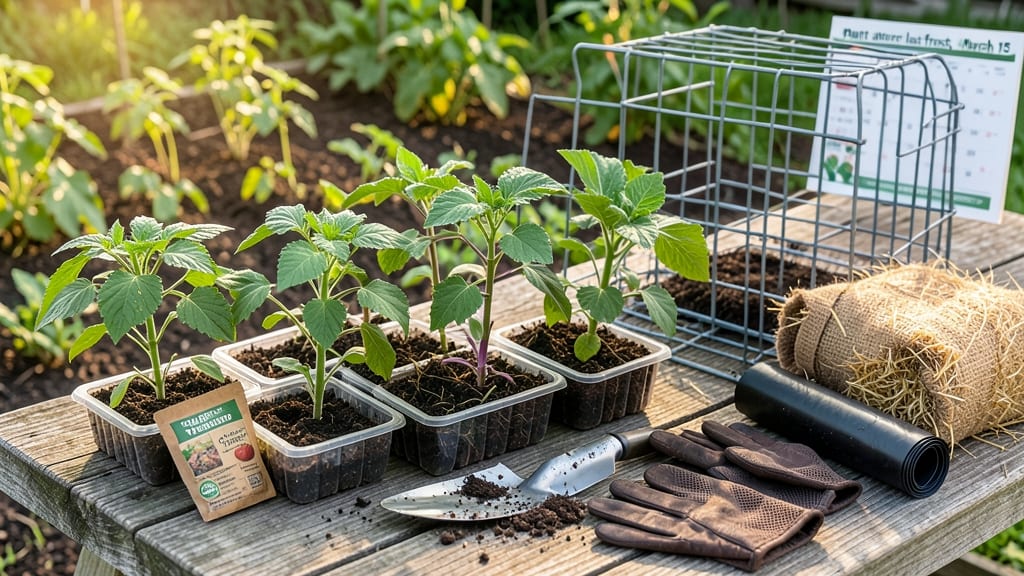
Planting a vegetable garden in Florida at the right time means avoiding the pitfalls of humidity, pests, and heat that can turn your hard work into a wilted mess.
Florida’s warm climate lets you grow vegetables year-round—but planting at the wrong time means wilted dreams instead of a thriving garden. The key is timing: tomatoes and peppers thrive when soil temperatures hit 70°F, while greens like lettuce prefer cooler 60-65°F ranges.
North Florida’s shorter growing season demands an earlier start, while South Florida’s longer heat waves require shade and extra water. Even in the same state, a 5-mile difference can shift your planting window by weeks.
In this guide, I’ll break down the exact months to plant each crop, from frost-sensitive tomatoes to heat-loving okra, plus how to adjust for Florida’s microclimates—so you can finally grow a garden that doesn’t fight the weather.
Florida planting calendar by crop: best months for tomatoes, peppers, and more
Florida’s year-round growing season lets you plant vegetables almost anytime—but timing matters. Heat-sensitive crops like lettuce thrive in cooler months, while tomatoes and peppers demand summer’s warmth. Below, I’ve broken down the ideal planting windows for Florida’s most popular veggies, tailored to the state’s USDA Zones 9-11 and microclimates.
Key rule: Soil temperature is more critical than air temperature. Use a soil thermometer—most veggies need 60-75°F soil to germinate. Peppers and eggplants won’t thrive if planted when night temps dip below 65°F. Meanwhile, cool-season crops like broccoli and carrots bolt (go to seed) if soil exceeds 80°F.
🌱
| Crop | Best Planting Months | Heat Tolerance | Key Notes |
|---|---|---|---|
| Tomatoes | Feb–Mar, Aug–Sept | Moderate | Avoid summer planting in South Florida (fungus risk). Use cage support. |
| Peppers (Bell/Chili) | Feb–Apr, Aug–Sept | High | Start seeds indoors 8–10 weeks before last frost. Black walnut trees stunt growth. |
| Okra | Apr–July | Very High | Drought-tolerant; plant after last frost. Harvest pods 3–4 inches long. |
| Lettuce | Sept–Nov, Jan–Feb | Low | Use shade cloth (30%) in summer. Succession plant every 2 weeks. |
| Sweet Potatoes | Apr–June | Very High | Plant slips (not seeds) in well-drained soil. Harvest before first frost. |
| Green Beans | Feb–Mar, Aug–Sept | Moderate | Bush beans for small spaces. Trellis pole beans to save space. |
| Carrots | Sept–Nov, Jan–Feb | Low | Loosen soil to 12 inches deep. Avoid sandy soil (forked roots). |
For North Florida (Zones 8-9), like Jacksonville or Gainesville, plant cool-season crops like broccoli and cabbage in October–November for winter harvests. In South Florida (Zones 10-11), you can grow tomatoes and peppers year-round, but yields drop in summer’s peak heat (90°F+).
Pro tip: Succession planting keeps your garden productive. For example, sow bush beans every 2 weeks from February to May for a continuous harvest. Similarly, lettuce and spinach thrive in fall and winter but bolt in summer—so plan them for September–November or January–February.
Watch for Florida’s humidity, which accelerates fungal diseases like early blight on tomatoes. Space plants 18–24 inches apart for airflow, and avoid overhead watering. Drip irrigation is your best friend here—it keeps foliage dry and reduces southern blight risks.
🌿
Need a quick reference? Bookmark this: Spring (Feb–Apr) = tomatoes, peppers, beans; Summer (May–July) = okra, sweet potatoes, malabar spinach; Fall (Aug–Oct) = lettuce, carrots, broccoli; Winter (Nov–Jan) = peas, radishes, kale. Adjust for your local microclimate—coastal areas stay warmer longer than inland zones.
Start with one or two crops to master timing, then expand. For example, tomatoes are finicky but rewarding—if you nail the February–March window, you’ll have home
How to adjust planting times for Florida’s microclimates (coastal vs. inland)
Florida’s USDA Zones 9-11 create dramatic differences between coastal and inland areas. In Miami (Zone 11), you can plant tomatoes in January, while Orlando (Zone 9) gardeners wait until March to avoid heat stress.
These microclimates aren’t just about temperature—they’re shaped by humidity levels and pest pressure, too.
Coastal regions like Fort Lauderdale and Key West experience higher humidity (80%+), which speeds up seed germination but also invites fungal diseases like early blight. Inland cities like Tampa and Gainesville have lower humidity (60-70%), reducing fungal risks but requiring earlier watering to prevent drought stress.
Use this microclimate guide to adjust your planting schedule by 2-4 weeks depending on location. For example, peppers thrive 3 weeks earlier in Miami than in Orlando due to warmer soil temperatures.
| Factor | Coastal (Miami, Key West) | Inland (Orlando, Tampa) |
|---|---|---|
| Average Humidity | 80-90% | 60-70% |
| Best Planting Window | Jan-Feb (cool season) | Feb-Mar (cool season) |
| Heat Stress Risk | Low (cooler breezes) | High (intense sun) |
| Pest Pressure | Fungal diseases (early blight) | Insects (aphids, whiteflies) |
| Soil Warm-Up Time | Faster (3-4 weeks) | Slower (4-5 weeks) |
For coastal gardeners, focus on shade-loving crops like lettuce and spinach in summer months when temperatures peak. Inland areas can handle heat-tolerant varieties like okra and sweet potatoes planted as early as April, while coastal zones wait until May to avoid soil-borne diseases.
Pro tip: Use mulch heavily in inland areas to retain moisture, and space plants wider in coastal zones to improve airflow. Adjust fertilizer schedules too—coastal gardens need less nitrogen to prevent fungal growth, while inland soils often require more potassium for drought resilience.
Remember, even within 30 miles, microclimates shift dramatically. Check your local Cooperative Extension Service for frost-free dates and pest alerts—they’re your best friends for fine-tuning your schedule. With these adjustments, you’ll double your harvest by planting at the perfect time for your exact location.