
Picking
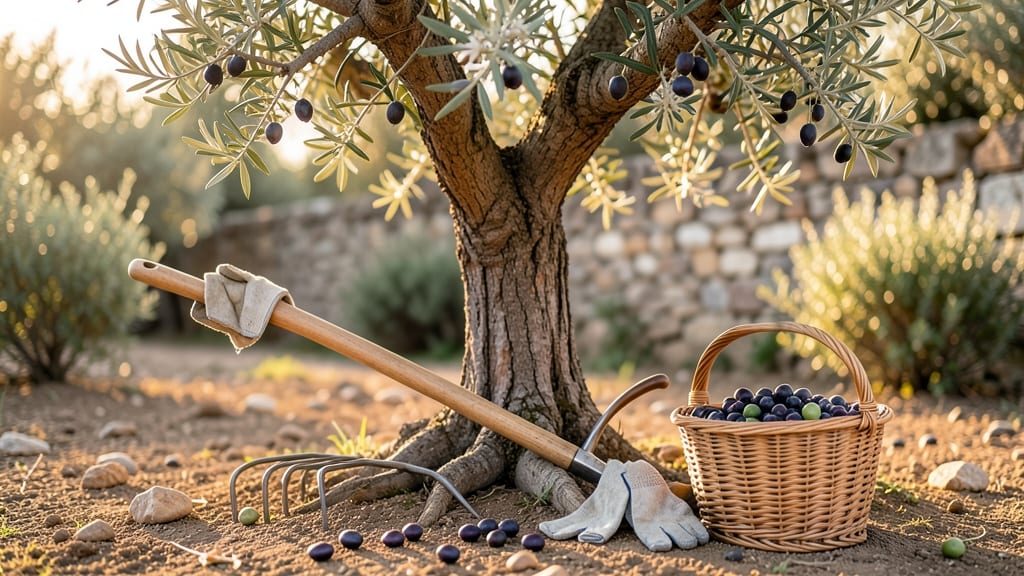
Olive harvest in Italy happens between October and January 🫒, with regional peaks that shift based on altitude, variety, and microclimates.
Imagine rolling hills blanketed in emerald-green trees, then suddenly—within weeks—they turn golden as farmers race to beat the rain. That’s the magic (and urgency) of Italy’s olive harvest, where missing the window means lower oil quality or spoiled fruit.
Southern regions like Puglia and Calabria kick off as early as late September, while Tuscany and Umbria often wait until November. Elevation plays a role too: olives at 1,000 feet may ripen 3 weeks later than those at sea level.
Below, I break down the exact timelines by region, how to spot ripe olives, and why some varieties (like Frantoio) demand a longer wait than others—plus tips for small-scale growers to sync with Italy’s traditional cycles.


Olive harvest timelines by Italian region: when to expect peak season
Italy’s olive harvest unfolds like a seasonal symphony, with each region playing its own rhythm. The peak harvest window stretches from October to January, but the exact timing depends on microclimates, altitude, and olive varieties.
In coastal areas like Puglia, olives may ripen as early as late September, while mountainous regions like Tuscany’s Chianti hills often wait until December. Understanding these variations helps you plan visits, oil production, or even small-scale harvesting on your own property.
For home growers or olive enthusiasts, timing your harvest correctly ensures the best flavor profile and oil quality. Early harvests yield fruity, peppery oils, while later picks produce milder, buttery varieties.
The color change from green to purple or black is your best visual cue, but regional differences can shift this by 3-4 weeks. Let’s break down the month-by-month harvest windows for Italy’s top olive-producing regions.
| Region | Primary Varieties | Peak Harvest Month | Altitude Impact | Harvest Notes |
|---|---|---|---|---|
| Puglia | Ogliarola, Cellina di Nardò | Late September - October | Coastal: +1-2 weeks earlier | Early harvest for oil; warm climate speeds ripening |
| Calabria | Tonda Iblea, Nocellara | October - November | Hilly: +2 weeks later at 500m+ | Dual-purpose olives; harvest in stages |
| Tuscany | Frantoio, Leccino | November - December | Mountainous: +3 weeks later at 800m+ | Late harvest for high-quality oil; cold nights slow ripening |
| Sicily | Nocellara, Moresca | October - December | Coastal vs. inland: 2-week spread | Early coastal harvests; inland areas extend to January |
| Umbria | Frantoio, Dolce Agogia | November - January | High altitude: +4 weeks later | Late harvest for artisanal oils; colder climate |
In Puglia, Italy’s olive powerhouse, the harvest kicks off in late September along the Adriatic coast, where varieties like Ogliarola thrive in the warm, dry climate. These early olives are prized for their bright, peppery oils, perfect for gourmet cooking.
If you’re planning a trip to Gargano National Park or the Salento Peninsula, time your visit for October festivals celebrating the first presses.
Moving inland to Calabria, the harvest stretches from October through November, with hilly terrain creating microclimates that delay ripening by 1-2 weeks at higher elevations. The Tonda Iblea variety, dual-purpose for both oil and table olives, requires careful monitoring.
In mountainous areas like Sila National Park, olives may not reach peak ripeness until mid-November, making this region ideal for late-harvest artisanal oils.
Tuscany’s Chianti and Val d’Orcia regions are famous for their Frantoio and Leccino olives, which don’t peak until November or December. The cooler climate and higher altitude slow ripening, but this delay results in richer, more stable oils with lower acidity.
If you’re visiting Siena or Montepulciano, plan your olive tour for December to witness the traditional stone-mill presses in action.
Sicily’s harvest is a two-act performance, with coastal areas like Syracuse harvesting as early as October, while inland regions near Palermo extend into January. The Nocellara variety, Sicily’s star, benefits from the Mediterranean’s long, warm autumns. For home growers
How altitude and olive variety affect harvest dates in Italy
Understanding how altitude and olive varieties shape harvest timing is key for Italian olive growers. A mere 300-meter elevation gain can push harvest dates back by 3 weeks, while different cultivars ripen at dramatically different times.
These factors determine whether you’ll be pressing Frantoio olives in October or waiting until December for Leccino.
Cooler highland regions like Tuscany’s Chianti hills experience delayed ripening due to lower temperatures. Meanwhile, coastal areas in Puglia or Calabria often see earlier harvests thanks to warmer microclimates. The interplay between elevation and variety creates a mosaic of harvest windows across Italy’s olive belts.
| Variety | Altitude Range | Harvest Window | Key Regions |
|---|---|---|---|
| Frantoio | 0-600m | Late October - November | Tuscany, Umbria |
| Leccino | 100-800m | November - December | Tuscany, Lazio |
| Koroneiki | 0-300m | October - November | Puglia, Calabria |
The Frantoio variety, beloved for its high oil content, typically ripens earliest in lower elevations. At sea level, you might harvest as early as late October, but climb to 500 meters, and expect delays until mid-November.
This variety thrives in Tuscany’s rolling hills where growers often use mechanical shakers to dislodge fruit.
Leccino olives, prized for their dual use in oil and table olives, show dramatic altitude sensitivity. Below 400 meters, they’re ready by early November, but at 700 meters elevation, harvest may stretch into January. Their slower ripening makes them ideal for cold-pressed extra virgin oil production in higher Tuscan valleys.
For Koroneiki olives, the Mediterranean’s most drought-resistant variety, altitude matters less than coastal proximity. Grown primarily in Puglia’s Gargano Peninsula, they ripen 2-3 weeks earlier than Tuscany’s varieties due to warmer sea breezes.
Their harvest window typically falls between mid-October and November, making them a staple for early oil production.
If you’re planning your olive harvest, account for these variations. A 300-meter climb can mean the difference between a November harvest and one delayed until December or January. For home growers, this means monitoring fruit color changes and oil content tests closely—especially when transitioning between lowland and upland orchards.