
Size
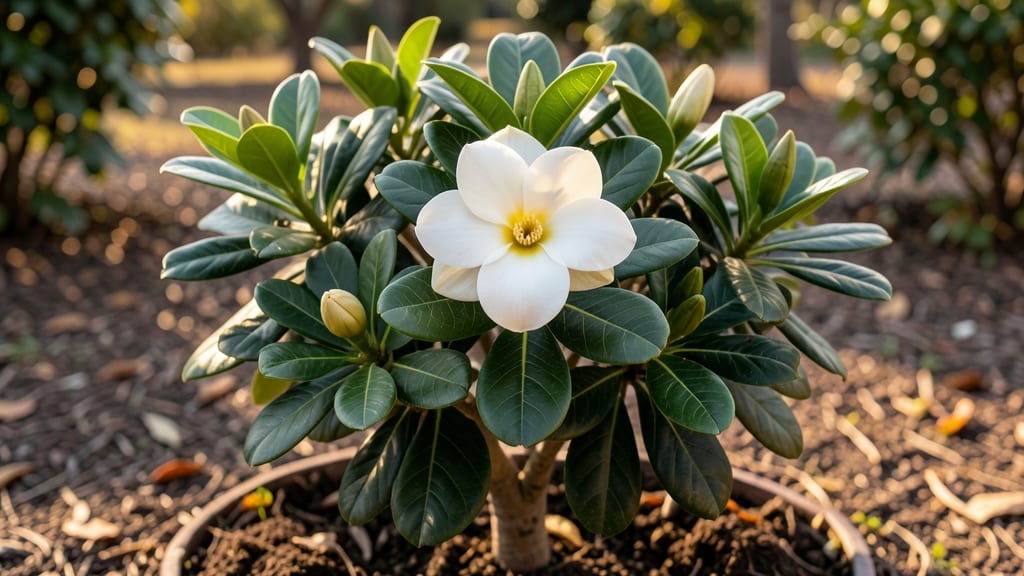
A gardenia shrub’s size can range from a compact 2 feet to a towering 6 feet, depending on the variety and how you care for it 🌸.
If you’re dreaming of fragrant white blooms but struggling to visualize how it will fit in your landscape, knowing its mature size is essential—some varieties grow as small as 2 feet, while others reach over 6 feet.
This isn’t just about aesthetics—getting the size right means choosing the perfect spot for your gardenia to thrive. Too much shade or poor soil can stunt its growth, while aggressive pruning can keep it smaller.
Below, I’ll break down how different varieties grow, how to control their size, and where to plant them for the best results.
For example, Gardenia jasminoides is the most common type, typically maturing between 4 and 6 feet tall. Dwarf varieties, like Gardenia radicans, stay closer to the ground, making them ideal for containers or small gardens. Meanwhile, Gardenia augusta can grow even larger, so spacing and pruning become critical.
You’ll also discover how sunlight, soil, and pruning habits can shape your gardenia’s growth—whether you want a neat, manicured shrub or a lush, sprawling specimen. Let’s dive into the details so you can plan your garden with confidence!


Gardenia shrub size by variety: height and spread comparison
Choosing the right gardenia variety isn’t just about those intoxicating blooms—it’s also about matching your landscape’s space. Some gardenias stay compact enough for containers, while others become towering statement plants. Understanding height and spread ranges helps you plan for bloom displays without overcrowding other plants.
Gardenia shrubs generally fall into three size categories: dwarf varieties (2–3 feet), medium shrubs (3–5 feet), and large gardenias (5–8 feet). The most popular type, Gardenia jasminoides, typically reaches 4–6 feet at maturity, but its spread can vary widely based on growing conditions and pruning habits.
Growth habits also play a key role—some varieties grow upright and bushy, while others develop a trailing or mounding shape. For example, Gardenia radicans has a vining habit, making it perfect for trellises or hanging baskets, whereas Gardenia augusta stays more compact and rounded.
If you’re working with limited space, dwarf varieties like Gardenia augusta are ideal for containers or small gardens. Their 2–3 foot height and rounded shape make them perfect for patios or windowsills.
For larger areas, Gardenia jasminoides offers a balanced size that fits well in foundation plantings or hedges.
For a dramatic vertical element, consider Gardenia radicans, which can climb to 10 feet when trained on a trellis. This variety thrives in humid climates and adds a lush, fragrant backdrop to decks or arbors.
Just ensure you provide support structures early, as its vines can become heavy with blooms.
When planning your garden layout, account for mature spread as much as height. A gardenia with a 5-foot spread needs at least 3–4 feet of clearance on all sides to avoid shading out neighboring plants. In smaller spaces, prune regularly to maintain a neat, controlled shape.
Soil and sunlight also influence size—acidic, well-draining soil and partial shade encourage healthier, more compact growth. Over-fertilizing can lead to leafy growth at the expense of blooms, while poor drainage may stunt growth entirely. Aim for a balanced approach to keep your gardenia thriving without overpowering your space.
Pro tip: If you’re unsure about a variety’s final size, start with a container-grown plant and monitor its growth for a season. This gives you a real-world preview of how it’ll perform in your specific climate and soil conditions.
How to control Gardenia shrub size through pruning and planting
Controlling your gardenia shrub's size starts with understanding its natural growth patterns. Most varieties reach 4-6 feet tall and 3-5 feet wide at maturity, but with strategic pruning and planting techniques, you can shape them to fit even tight spaces.
The key is balancing light pruning for airflow and selective cutting to encourage bushier growth.
Before you begin, choose the right planting location. Gardenias thrive in partial shade with 4-6 hours of morning sun—this prevents leggy growth while keeping blooms abundant. If planted in full sun, they’ll grow taller but may produce fewer flowers.
For compact varieties like 'Radicans', a spot near a patio or pathway works perfectly, while larger types need more space.
Spacing is critical to prevent overcrowding. Plant gardenias 4-6 feet apart in the ground or 2-3 feet apart in containers to allow airflow and reduce disease risk. If you’re growing multiple shrubs, stagger their positions to create a natural, layered look.
Remember, gardenias spread as much as they grow tall, so plan for their mature width when designing your layout.
To encourage a fuller, more compact shape, focus on pruning the center of the shrub. This removes old wood and stimulates new growth from the base. Avoid cutting into old, woody stems—these won’t regrow.
Instead, target twiggy growth to redirect energy toward bushier branches. For container gardenias, prune more aggressively in early spring to control height and shape.
Soil pH plays a surprising role in size control. Gardenias need acidic soil (pH 5.0-6.5)—if your soil is alkaline, they’ll struggle to absorb nutrients, leading to stunted growth. Test your soil and amend with peat moss or sulfur if needed.
Well-draining, slightly sandy soil also prevents root rot, which can weaken the plant and affect its size over time.
Finally, feed your gardenia with the right nutrients. Use a balanced, acid-loving fertilizer (like 8-3-9) in early spring to support growth without excessive height. Avoid high-nitrogen fertilizers—they promote leafy growth over flowers.
Mulch around the base with pine bark or compost to retain moisture and keep roots cool, which helps maintain a healthy, compact size.