
Planting
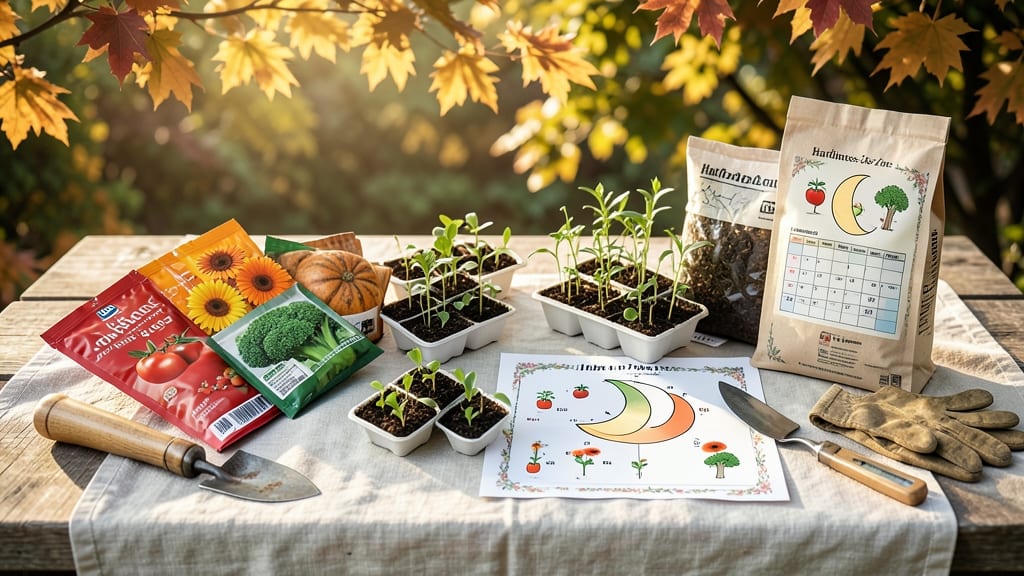
Planting a garden in Ohio after the last frost date — typically between mid-April and mid-May — is the key to avoiding wilted seedlings and wasted effort.
Ohio’s unpredictable spring weather can turn a gardener’s carefully planned planting schedule into a gamble—but timing your garden right ensures bountiful harvests instead of wilted dreams.
From frost-sensitive tomatoes to hardy kale, knowing exactly when to plant in Ohio’s Zone 5-6 climate is the difference between a thriving garden and a failed experiment.
In this guide, we’ll break down the ideal planting windows for your favorite vegetables, flowers, and perennials, so you can start strong and avoid common mistakes.
You’ll discover how to adjust for Ohio’s microclimates, protect seedlings from late frosts, and maximize yields with the right crops for early and late seasons.
Ohio planting calendar: exact dates for frost-sensitive vs. cold-hardy vegetables
Ohio’s Zone 5-6 climate means gardeners must work with a tight window between the average last frost (April 15) and the first frost (October 15). Frost-sensitive plants like tomatoes and peppers need warm soil and air to thrive, while cold-hardy crops like spinach and kale can handle cooler temperatures.
Timing is everything—plant too early, and you risk frost damage; too late, and your harvest shrinks.
Use Ohio State University Extension’s frost data as your guide: urban areas often experience earlier last frosts (around April 20) due to heat islands, while rural areas may see frost linger until May 5. Adjust your schedule accordingly to avoid losing seedlings to unexpected cold snaps.
Soil temperature is just as critical as air temperature. Most frost-sensitive vegetables need soil at 60°F (15°C) or warmer to germinate. Use a soil thermometer to check—if it’s below this threshold, wait a few more days or use black plastic mulch to warm the soil faster.
Here’s a breakdown of the ideal planting windows for Ohio’s most popular vegetables, categorized by frost sensitivity: