
Fertilization
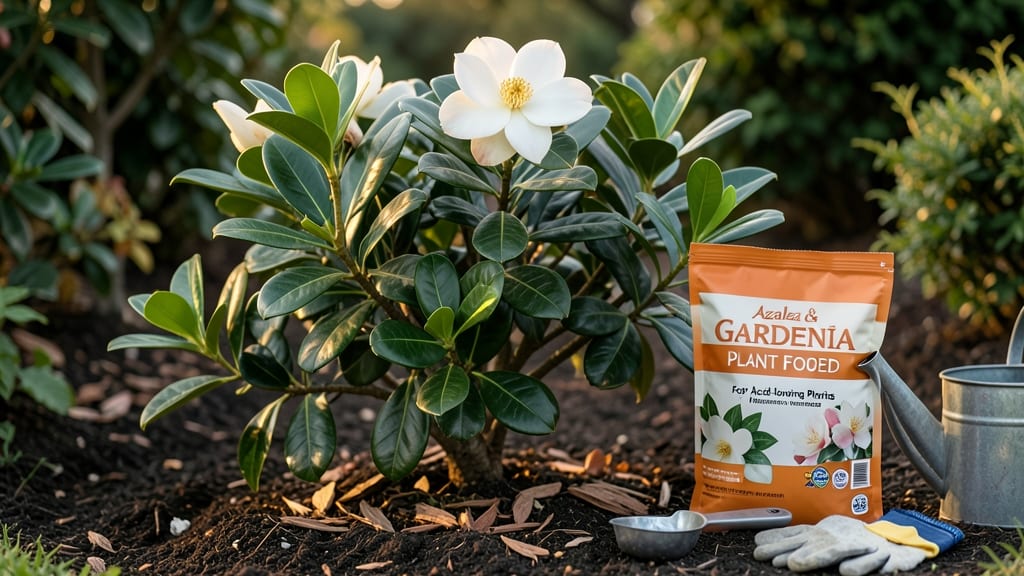
You fertilize gardenias twice a year—once in early spring and again in late summer—to fuel their iconic blooms and glossy leaves without overdoing it.
Picture this: your gardenias are lush and fragrant, but then you notice fewer blooms or yellowing leaves. That’s often a sign you missed the critical timing—spring kickstarts growth, while summer feeds the flowers before they fade.
New plants need a gentler touch, while mature shrubs thrive on a balanced, acid-loving fertilizer every 4-6 weeks during the growing season. Too much too soon? You’ll burn the roots. Too little? The scent and blooms will suffer.
Below, I’ll break down the exact schedule for your USDA Zone 6a gardenias, plus how to spot over- or under-fertilization before it’s too late.

Optimal gardenia fertilization schedule: spring & fall timing explained
Timing your gardenia fertilization is the secret to abundant blooms and lush foliage. Unlike many plants, gardenias thrive on a spring-to-fall feeding schedule that aligns with their natural growth cycles. Skipping the wrong window—or overdoing it—can lead to leaf burn, fewer flowers, or even plant decline.
Let’s break down the exact timing and climate considerations to keep your gardenias flourishing.
Most gardeners focus on spring fertilization to kickstart growth, but the fall season plays a critical role too. In warmer climates (USDA zones 8-11), you might extend feeding into early fall, while cooler zones (USDA 6-7) should stop by mid-September.
The key is understanding how your gardenia’s metabolism shifts with the seasons—and how to adjust your feeding plan accordingly.
| Season | Fertilization Window | Frequency | Fertilizer Type | Climate Notes |
|---|---|---|---|---|
| Early Spring | March-April | Every 4-6 weeks | 7-9-5 (acid-loving) | Zones 6-7: Wait until soil warms (55°F+). Zones 8-11: Start earlier. |
| Late Spring | May-June | Every 6 weeks | Half-strength feed | Reduce nitrogen to encourage blooms, not foliage. |
| Summer | July-August | Light feed only | Organic compost tea | Avoid heavy feeding in heat—risk of root burn. |
| Early Fall | September-October | None (unless zone 8+) | N/A | Zones 8-11: One light feed in early Sept. Zones 6-7: Skip entirely. |
| Winter | November-February | None | N/A | Dormant period—focus on mulching, not feeding. |
Your first fertilization should happen in early spring, right as new growth emerges—typically March or April in most USDA zones. Use a balanced acid-loving fertilizer (like 7-9-5) to support both root development and bloom production.
For potted gardenias, reduce the dose by half since roots are more confined. Pro tip: Apply fertilizer in the morning to prevent salt burn from evening moisture.
Mid-summer is a critical caution zone. Gardenias slow their growth in July and August due to heat stress, so reduce or skip traditional fertilizers. Instead, opt for organic compost tea or a light liquid feed every 8 weeks.
Over-fertilizing now can cause leaf scorch and bloom abortion. If your gardenia looks stressed, pause feeding entirely until temperatures drop below 85°F.
Fall fertilization depends entirely on your climate zone. In cooler zones (6-7), stop feeding by mid-September to allow the plant to harden off before winter. In warmer zones (8-11), you can give one light feed in early September to support late-season blooms, but avoid anything heavy.
The goal is to encourage root growth without stimulating new shoots that won’t survive cold snaps.
Winter is your gardenia’s dormant period, and feeding should stop completely. Focus instead on mulching (with pine bark or compost) to insulate roots and water sparingly (only when soil is dry).
Resuming fertilization in late February or early March signals the plant to break dormancy and prepare for the next blooming cycle.
New gardenias (under 2 years old) need gentler feeding. Use half-strength fertilizer and apply it every 8 weeks in spring only. Established plants (over 2 years) can handle the full schedule but may benefit from organic amendments like peat moss or sulfur to maintain acidic soil
Signs your gardenias need fertilizer (and what type to use)
Your gardenias might be silently screaming for nutrients if their leaves start yellowing between the veins—a classic sign of iron or nitrogen deficiency. This chlorosis often appears first on newer growth, signaling your plant isn’t getting enough to fuel its blooming potential.
Even worse, if you notice sparse or small blooms despite proper care, your gardenia’s telling you it’s running on empty.
Another red flag? Slow growth or stunted stems, especially in spring when your plant should be waking up hungry. Even mature gardenias need a balanced nutrient boost every 4-6 weeks during their active growing season.
Ignoring these signs can lead to weak stems that struggle to support heavy blooms, leaving you with a fragrant but fragile plant.
When to Fertilize Gardenias: Seasonal Guide
- Spring feeding (March-April)
- Use acid-loving fertilizer (7-9-5 NPK)
- Morning application (avoids leaf burn)
- Light feeding in summer (every 6 weeks)
- Fertilize in fall/winter (dormant period)
- Use high-nitrogen fertilizers (promotes leaves, not blooms)
- Over-fertilize (causes leaf burn)
- Skip soil pH test (ideal: 5.0-6.5)
Pro Tip: Organic options like fish emulsion or cottonseed meal slowly release nutrients, while synthetic fertilizers act faster but require more frequent application. 🌱
For organic fertilizers, I recommend cottonseed meal or peanut meal—both provide slow-release nitrogen while improving soil acidity. These are perfect for gardenias because they mimic natural soil conditions in their native tropical habitats.
If you prefer synthetic options, look for acid-loving plant formulas with a 7-9-5 NPK ratio to encourage blooming over leafy growth.
Newly planted gardenias need gentler feeding—start with half the recommended dose to avoid shocking their roots. Established plants, however, can handle full-strength applications every 4-6 weeks from spring through early summer. The key is consistency without excess, as gardenias are sensitive to salt buildup from over-fertilization.
Watch for brown leaf tips or crispy edges after fertilizing—this means you’ve overdone it. Flush the soil with water immediately and reduce future doses by half.
On the flip side, if your gardenia’s leaves stay dark green but growth stalls, it’s time to increase nutrients before the next blooming cycle.
Seasonal adjustments matter too: Skip fertilizing 6-8 weeks before your first frost to let your gardenia harden off naturally. In warm climates (zones 9-11), you can extend feeding into early fall, but always stop by October to prevent tender new growth before winter.