
Fertilization
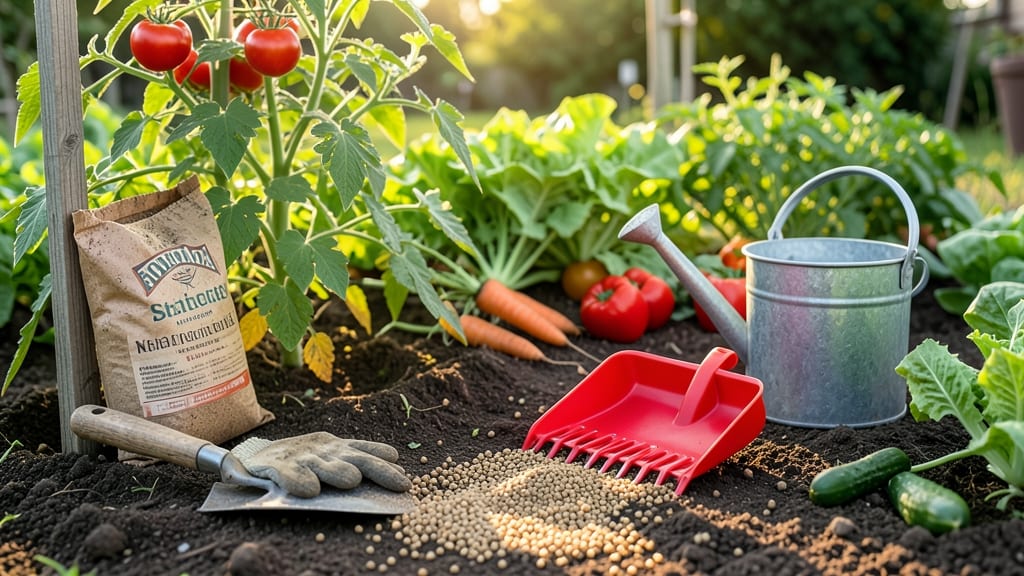
To apply fertilizer to your vegetable garden at the right time means feeding plants when they actually need it—not before they’re ready or after they’ve peaked.
Timing your fertilizer applications wrong can waste nutrients—or worse, harm your plants. We’ve all seen the sad sight of crispy leaves or stunted growth after overdoing it, and the truth is, most gardeners fertilize at the wrong moment.
The key is matching nutrients to growth stages, not just throwing down granules when it’s convenient.
Soil tests reveal the real story: nitrogen for leafy greens in spring, phosphorus for root crops at planting, and potassium for fruiting plants later in the season.
In Zone 6a, where cool-season crops like lettuce and peas kick off in March, the first feed should happen right at planting—not weeks later when the plants are already struggling.
Below, I’ll break down the exact schedule by crop type, seasonal shifts, and how to adjust for organic vs. synthetic fertilizers so you’re never guessing again.

Optimal fertilizer application timing based on soil tests and plant growth stages
Soil tests reveal the nutrient deficiencies your vegetable garden faces, but timing fertilizer applications is just as critical. Nitrogen for leafy growth, phosphorus for root development, and potassium for fruit production all need strategic scheduling.
I’ve learned that applying fertilizer at the wrong stage—like adding too much nitrogen when plants flower—can stunt fruit production or lead to weak stems.
Your plants go through distinct growth phases, each demanding different nutrients. Pre-planting is about setting the foundation, while early growth focuses on leafy vigor. Later, flowering and fruiting stages require adjustments to avoid nutrient burn or poor harvests.
Let’s break down the science-backed schedule tailored to your soil test results and crop needs.
For pre-planting, focus on phosphorus and potassium to build strong roots. My soil test once showed low phosphorus, so I mixed in bone meal before planting tomatoes. This gave them a head start for vigorous early growth. Bone meal
Seasonal fertilizing schedule for vegetable gardens by climate zone
Your vegetable garden’s success hinges on timing fertilizer applications to match your climate zone and crop needs. Cool-season vegetables like broccoli and spinach thrive with early spring feedings, while tomatoes and peppers need summer boosts.
Even in USDA zones 3-10, winter applications can prep soil for spring planting. Let’s break down when to fertilize by season and region.
First, test your soil in early spring (before planting) to identify nutrient deficiencies. In cold climates (zones 3-5), focus on nitrogen-rich fertilizers for cool-season crops like lettuce, while warmer zones (7-10) can extend fertilizing into late fall for winter greens.
The key is aligning feedings with your plants’ growth stages—not just the calendar.
⚠️ CRITICAL: Over-fertilizing in hot months (June-August) burns roots, while skipping fall feedings in mild zones (8-10) limits winter harvests. Use this schedule as your guide, adjusting for local weather patterns.
| Season | USDA Zones 3-5 (Cold) | USDA Zones 6-7 (Temperate) | USDA Zones 8-10 (Warm) |
|---|---|---|---|
| Early Spring (March-April) | Pre-plant: Balanced 10-10-10 Cool crops: High N (20-0-0) |
Pre-plant: 5-10-10 Warm crops: 10-10-10 |
Pre-plant: 5-10-10 Winter greens: 15-0-0 |
| Late Spring (May) | Side-dress compost for peas/carrots Light fish emulsion for leafy greens |
Side-dress tomatoes/peppers with 5-5-5 Fruiting crops: potassium boost |
Side-dress warm crops with 6-6-6 Drip-feed liquid fertilizer weekly |
| Summer (June-August) | Skip unless replanting Use mulch to retain moisture |
Light foliar feed every 3 weeks Avoid high N (burn risk) |
Monthly balanced liquid feed Cucumbers/squash: extra potassium |
| Fall (September-October) | Pre-winter: compost + bone meal For overwintering kale/onions |
Light fall planting feed Cool crops: nitrogen focus |
Extend season: slow-release pellets Protect with row covers |
| Winter (November-February) | Soil prep: compost + manure No active fertilizing |
Dormant crops: mulch Test soil for spring prep |
Winter greens: light nitrogen Protect from freeze damage |
In USDA zones 3-5, prioritize early spring and fall feedings, using organic matter like compost to improve soil structure for cold climates. For zones 6-7, split feedings between spring (for warm crops) and fall (for cool-season extensions).
Meanwhile, zones 8-10 can fertilize year-round, with monthly liquid feeds during growing seasons.
Pro tip: In mild winters (zones 8-10), plant spinach or radishes in December and fertilize lightly with fish emulsion to jumpstart growth. The