
Planting
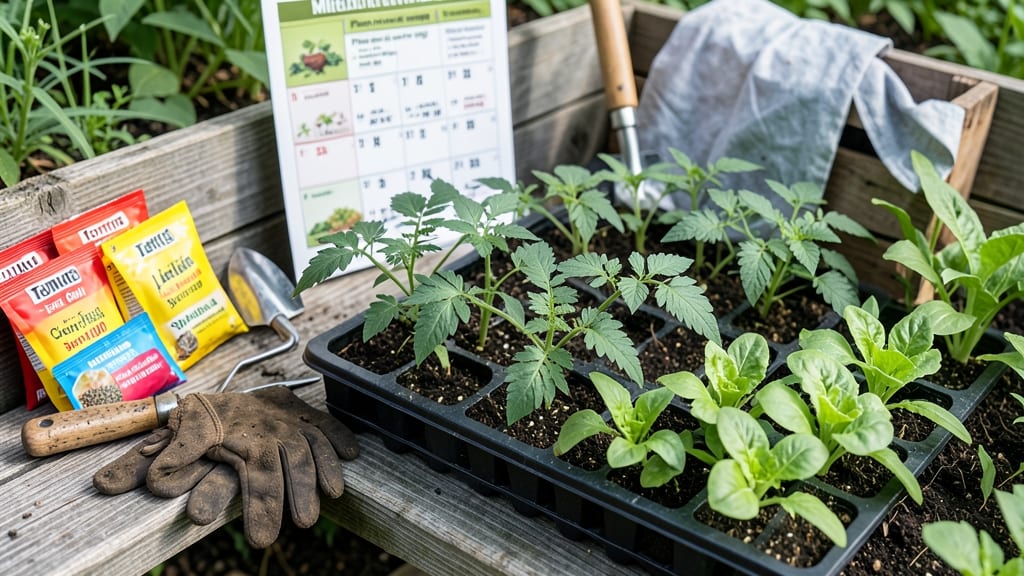
Planting your garden in Michigan depends on last frost dates, which vary by zone and crop type—typically between mid-April and mid-May for most of the state.
Michigan’s unpredictable spring weather can turn a gardener’s excitement into frustration—planting too early risks frost damage, while waiting too long shortens your growing season. Knowing the exact last frost dates for your zone is the key to timing your garden perfectly.
Cool-season crops like spinach and peas can often go in the ground 4-6 weeks before the last frost, while warm-season plants like tomatoes and peppers need the soil to be consistently warm, usually waiting until after May 15 in most regions.
In this guide, you’ll find a zone-by-zone breakdown of frost dates, tips for adjusting to Michigan’s weather quirks, and a month-by-month planting schedule to maximize your harvest.
Michigan last frost dates by zone: when to plant cool-season vs warm-season crops
Michigan spans USDA Hardiness Zones 4 through 6, creating significant variations in last frost dates across the state.
The Lower Peninsula (Zones 5-6) typically sees its last frost between April 15 and May 15, while the Upper Peninsula (Zone 4) often waits until May 1 to June 1. These dates are crucial for determining when to plant cool-season crops like lettuce and warm-season crops like tomatoes.
Cool-season crops thrive in cooler temperatures and can often tolerate light frosts, making them ideal for early spring plantings. In contrast, warm-season crops need soil temperatures above 50°F (10°C) to germinate properly. Knowing your specific zone helps you avoid frost damage while maximizing your garden's productivity.
Below is a detailed breakdown of last frost dates by zone, including regional variations and recommended planting times for both cool-season and warm-season crops. This guide ensures you'll have the longest possible growing season in Michigan.
In Zone 5 and 6 regions of the Lower Peninsula, gardeners can start planting cool-season crops as early as March under row covers or in greenhouses. For example, spinach and peas can be sown in late March, while lettuce and kale can follow in early April.
These crops handle light frosts, so don’t let a late cold snap stop you from planting.
For warm-season crops, wait until after your last frost date and ensure soil temperatures are consistently above 50°F (10°C).
In Zone 5, this typically means waiting until mid-May, while Zone 6 gardeners can start as early as early May. Tomatoes and peppers are particularly sensitive to cold soil, so use a soil thermometer to confirm readiness.
The Upper Peninsula (Zone 4) has a shorter growing season, so timing is even more critical. Cool-season crops like potatoes and Brussels sprouts should be planted by mid-May, while warm-season crops like tomatoes are best suited for short-season varieties or container gardening.
Consider using row covers or cold frames to extend your season.
Regional microclimates can also affect frost dates. Areas near large bodies of water, like the Great Lakes, may experience later frosts due to cooler air masses.
Conversely, urban areas often warm up faster in spring. Always check local weather forecasts and consider using a frost-free date calculator for your specific location.
To maximize your garden’s potential, plan for succession planting of cool-season crops. For example, sow radishes every two weeks from April through June for continuous harvests. Similarly, warm-season crops like beans and cucumbers can be planted in two-week intervals to ensure a steady supply throughout the summer.
If you’re unsure about your
How to adjust planting times for Michigan’s unpredictable weather patterns
Michigan’s spring weather can be as fickle as a Michigan blizzard—one day warm enough to plant, the next freezing again. The key to success isn’t just following last frost dates but adapting on the fly.
I’ve learned that even a 10-day delay can mean the difference between a thriving garden and a sad, frost-nipped disappointment.
Start by using the last frost date as your baseline, but always have a backup plan. Michigan State University Extension provides average frost dates, but I recommend checking local forecasts weekly in April and May.
A sudden cold snap can turn a warm-season crop like tomatoes into a science experiment gone wrong.
Here’s how I adjust my planting schedule when Mother Nature throws a curveball:
Another trick I swear by is the "5-10-15 rule" for frost protection. If the forecast calls for a light frost (28-32°F), cover plants with row covers or old bedsheets.
For moderate frosts (24-27°F), add a blanket layer underneath. And if it’s dropping below 20°F, it’s time to harvest or protect aggressively—even with heavy mulch.
Don’t forget that succession planting is your best friend when weather throws you off schedule. Instead of planting all your carrots at once, stagger them every 2 weeks through June. This way, you’ll always have something harvesting, even if the first planting gets nipped by frost.
Finally, keep a gardening journal to track what works each year. Note which planting dates succeeded despite late frosts and which crops need extra protection. Over time, you’ll build a customized planting schedule that beats Michigan’s weather every time. The more you adapt, the more resilient—and successful—your garden becomes. 🌱